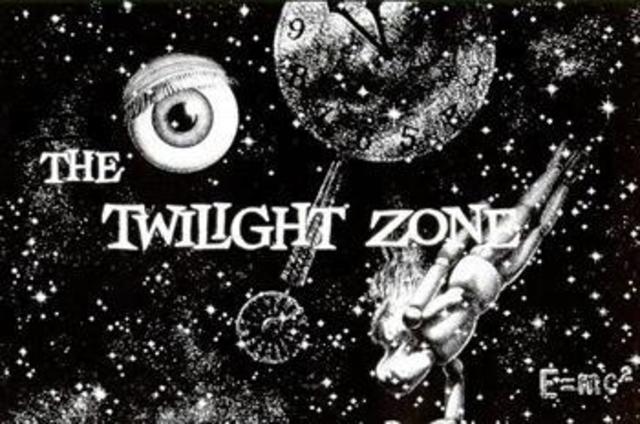
"Twilight Zone" (1959 - 1964) is acknowledged as being one of the greatest TV shows of all time. A perfect masterpiece of writing, acting and direction that brought a sophisticated mixture of sci-fi, fantasy, horror, mystery, irony and social commentary to prime-time television that was not only critically acclaimed but successful as well. It actually made a celebrity out of a lowly writer, Rod Serling, who managed to make screenwriters look cool. It also had one of the most iconic theme songs of all time. Even people who have never actually seen the show instantly recognize the song.
1980's "TWILIGHT ZONE" THEME BY THE GRATEFUL DEAD;
One of the strong points of "Twilight Zone" was it's variety. Some episodes were serious sci-fi/fanatsy stories while others might range from somber fables to eerie supernatural mysteries to odd ironic comedies with twist endings. Then there are those impossible to categorize episodes like the one where Ann Francis wanders through a department store trying to recall how she got there only to discover that she is in fact a manikin. Or the one where a group of oddly matched people struggle to escape from a cell only to have it revealed that they are actually a group of dolls locked in a child's toybox.
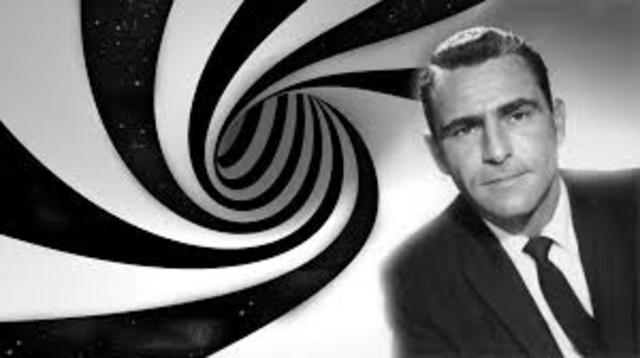
"Twilight Zone" was the brainchild of Rod Serling, a respected and award winning screen-writer who had worked in several different genres before deciding that Sci-Fi/Fantasy with a twist ending would be an effective way of telling stories that would have a larger social message. There had been such a tradition in Sci-Fi/Fantasy since the days of Jules Verne, HG Wells, Robert Louis Stevenson, and Mary Shelly and in early horror films such as "The Cabinet Of Dr Caligari", "Metropolis", "Der Golem" and "King Kong". However by the 1950's much of this school of serious Sci-Fi had largely gone out of style and been replaced by Gothic horror (numerous Dracula, Wolfman and Mummy remakes by Hammer Films) or more cartoonish Sci-Fi aimed at kids and teens such as "Buck Rogers", "Flash Gordon" and various superheros. There were some notable exceptions like "The Day The Earth Stood Still" and some HG Wells adaptations like "The Time Machine" and "Things To Come" but for a respected writer like Serling to turn to the genre was a bit of a gamble. Serling would originally be the writer for the series but he would soon assemble a stable of talented writers who he would oversee as producer. Originally seen as a serious si-fi/fantasy/supernatural/mystery anthology, Serling would soon add some ironic comedy touches in the vein of O.Henry. The high quality of the scripts would soon attract an impressive collection of excellent actors to the show (some more than once) including the likes of;
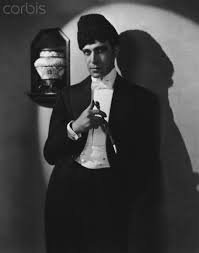
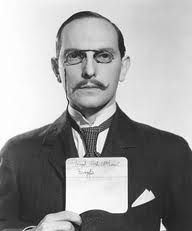
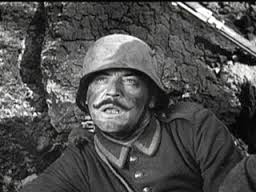
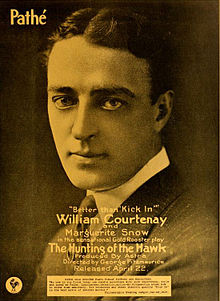
William Shatner, Leonard Nimoy, James Doohan, George Takei (all in "Star Trek" of course), Burgess Merideth, Robert Duvall, Anne Francis ("Honey West"), Inger Stevens ("Farmer's Daughter" & "Hang Em High"), Marlon Brando, Burt Reynolds, Robert Redford, Mickey Rooney, Claude Akins ("Inherit The Wind", "The Killers"), Patrick McNee ("The Avengers"), Charles Bronson, Jack Klugman, Lee Marvin, Mary Badham ("To Kill A Mockingbird"), Ian Wolfe ("Witness For The Prosecution" and "WKRP"), Telly Savalas ("Kojack"), James Coburn, Richard Deacon ("Dick Van Dyke Show"), Buddy Ebsen, Joan Blondell, Martin Landau, Jackie Cooper ("Superman"), Micheal Constantine, Joseph Schildkraut, Mariette Hartley, Elizabeth Montgomery ("Bewitched"), Keenan Wynn, Ed Wynn, Bill Bixby ("The Hulk"), Wally Cox ("Mr Peepers"), Janice Rule ("Matt Helm; The Ambushers"), Don Gordon ("Bullit"), Arline Sax ("Star Trek"), Susan Oliver ("Star Trek"), Diana Hyland ("Eight Is Enough"), Cedric Hardwicke, Warren Oates, Patrick O'Neal, Dennis Hopper, Rod Taylor ("The Time Machine"), Morgan Britanny ("Dallas"), Nehemiah Persoff, Fritz Weaver, Vera Miles, Martin Milner ("Sunset Strip" & "Adam-12"), Ida Lupino, Martin Balsam, Simon Oakland ("The Night Stalker"), Tim O'Connor ("Buck Rogers"), Jack Warden, Jack Weston, Gig Young, James Best ("Dukes Of Hazard"), George Grizzard, Howard Duff, Roddy McDowell, Albert Salmi, Russell Johnson ("Gilligan's Island"), Ivan Dixon ("Hogan's Heros"), Dana Andrews, Jack Albertson ("Chico & The Man"), Ann Jillian, Pat Hingle, James Whitmore, Jack Weston, Dean Stockwell, Richard Kiel ("Moonraker" and "Eegah"), David McCallum ("Men From Uncle") Billy Mumy, Shelly Berman, Murray Hamilton ("Jaws"), Jean March ("Willow"), Warren Oates, Dick York ("I dream Of Genie"), Jonathan Winters, Jim Hutton and David Wayne (both in "Ellery Queen"), Sebastian Cabot, Ernest Truex ("His Girl Friday" and a former silent film actor with a resume going back to 1913) and Estelle Winwood (who had a career going back even further and would continue acting past her hundredth birthday). Some of these were well known names even then, including several past and future Oscar winners and nominees. And yet the biggest star of the show would surprisingly turn out to be Serling himself as host who would introduce each episode with a trademark droll half grimace/half smirk and ever present cloud of cigarette smoke. For the first few shows his intros were actually done off-camera before someone figured out that Serling had the charisma to carry the show.
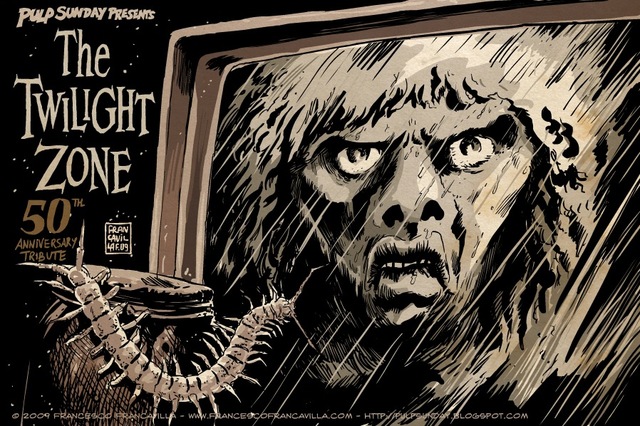
"Twilight Zone" is not without it's faults. It's approximately twenty-two minute length (half hour minus ads and intros & outros) meant that some scripts feel a little rushed. Rod Serling's desire to use stories to promote his deeply held political beliefs mean that some episodes can be preachy. But with the exceptionally well written and acted stories "Twilight Zone" left some classics still instantly remembered today. Poor, beautiful, doomed Inger Stevens meeting death on the highway again and again. Burgess Merideth emerging from his bank vault to discover the world has been destroyed except for his beloved books. Jack Klugman playing a game of pool beyond the grave with Jonathan Winters. William Shatner's well founded fear of flying. A frightened old lady discovering that death looks a lot like Robert Redford. Bored, cynical David Wayne becoming immortal then finding that even more boring. Young Billy Mumy sending annoying adults to the cornfield. Inger Stevens discovering she's a robot. Anne Francis discovering she's a manikin. Charles Bronson wandering the post nuclear world and discovering Elizabeth Montgomery. Shelly Berman discovering he is as annoying as he finds everybody else. The neighbours on Maple St discovering they are the real monsters. Telly Savalas pissing off the wrong child's doll. And of course; "To serve man; It's a cookbook!".
The iconic "Twilight Zone" theme would be covered in an epic version by the Ventures and later the Grateful Dead and Korn. OK; we can forget about that last one. There's also Golden Earing's 1980's hit "Twilight Zone" which has little to do with the show but is still pretty cool.
THE VENTURES ~ "TWILIGHT ZONE";
"Twilight Zone" ran from 1959 to 1964 on CBS, originally as a half hour show until season four when it was increased to an hour, presumably to compete with the one hour shows of "Outer Limits". The next season the network cut it back to a half hour in a series of network budget cuts and lineup changes that would lead to the show's cancellation the next year, along with "Outer Limits" and "Alfred Hitchcock Presents". Serling would attempt to start again with an abortive show at ABC which didn't make it to air. Then he returned to CBS where he tried a comeback with an abortive western show which only lasted a few episodes. Still later was the fiasco of "Night Gallery" in 1970 for which he gave up creative control only to be forced out by the network who it turned out only wanted television's most honored writer to act as the droll host. That lasted until 1973. After that he gave up television and taught screenwriting at an upstate New York college. He died of heart disease brought on by his trademark chain smoking in 1975. "Twilight Zone" would return in the 1980's and again in the 2000's with episodes which sometimes were almost line-by-line copies of the originals.
But enough about "Twilight Zone", there's really nothing new to be said about the timeless show at this point. Except that while "Twilight Zone" may have been the greatest Sci-Fi/Fantasy/Mystery show it was as not alone in delivering sci-fi/fantasy/mystery anthology to prime-time television. It wasn't even the first of it's kind.
The team of classic TV fantasy/mystery/sci-fi can basically be broken down into four categories; a)The Big Three ("Twilight Zone", "Outer Limits" & "Alfred Hitchcock Presents" in that order), b)The Pioneers, shows from the first generation of TV ("Tales Of Tomorrow" & "Lights Out"), c)The Journeymen, shows that were successful enough to be of some note but clearly not as iconic as the Big Three and d)The Ringers, shows that didn't actually make it on the air at the time but somehow survived anyway ("The Veil" & "13 Demon Street").
~~~~~~~~~~~~~~~~~~~~~~~~~~~~~~~~~~~~~~~~~~~~~~~~~~~~~~~~~~
"THE OUTER LIMITS";
One of the most respected anthology shows was "The Outer Limits", a contemporary show which ran from 1961 to 1964 on ABC. Billed as a Science Fiction anthology with shows running a full hour as opposed to the half hour formats of the other anthology shows. The episodes had bigger budgets than the the other shows allowing for better special effects and more mobile film-work rather than some of the more studio bound shows like "Alfred Hitchcock Presents", "Tales From Tomorrow" or "One Step Beyond". Like "Twilight Zone" they were also able to attract a stable of notable actors, many of whom also appeared on "Twilight Zone", including;
William Shatner, Leonard Nimoy, James Doohan (all later in "Star Trek"), Robert Culp ("I Spy"), David McCallum ("Man From Uncle"), Eddy Albert ("Green Acres"), Robert Duval, Henry Silva ("Manchurian Candidate"), Patrick O'Neal, Tim O'Rourke ("Buck Rogers"), Micheal Ansara ("Broken Arrow"), Micheal Constantine, Dabney Coleman ("War Games" and "9 to 5"), Russell Johnson ("Gilligan's Island"), Howard DaSilva, Ivan Dixon ("Hogan's Heros"), Robert Webber ("12 Angry Men"), Don Gordon, Peter Duel ("Alias Smith & Jones"), Vera Miles, Gloria Grahame, James Shigata ("Flower Drum Song" and "Die Hard"), George MacReady ("30 Days In May"), Martin Landau, Warren Oates, Sally Kellerman ("MASH"), Sam Wanamaker, Chita Rivera, Ralph Meeker ("St Valentines Day Massacre"), Edward Mulhare ("Knight Rider"), Bruce Dern, Shirley Knight, Jeff Corey, Ed Asner ("Mary Tyler Moore Show"), Cedric Hardwicke, Barbara Rush, Joyce Van Patton and Donald Pleasence (Blofeld in the James Bond movies and also "Halloween").
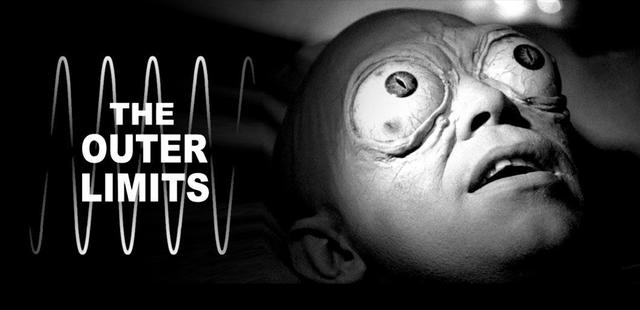
Naturally when you have an iconic show like "Twilight Zone" there will always be those who will insist that it's "over rated" and offer up some alternative for "best ever". For many "Outer Limits" has filled that role with none other than Stephen King saying that "Outer Limits" is better written, with better character development.
Personally I think this is a meaningless statement. First of all it's not even true. While some characters in "Outer Limits" do indeed evolve and learn from their experiences, others learn nothing, as is equally true of "Twilight Zone". More importantly this neglects the fact that "Outer Limits" was an hour long compared to "Twilight Zone's" half hour (except for season four) so it's not a fair comparison. Sometimes this hour long format can be a drawback as well. Just as some "Twilight Zone" episodes can feel a little rushed some "Outer Limits" episodes can feel a little padded out and draggy. At any rate there are some inherent weaknesses in "Outer Limits". Billed as a sci-fi show means that "Outer Limits" shows tend to be rather similar, virtually every episode is based on the same few themes; either robots, aliens, space travel or the occasional time traveler. There are few if any exceptions, and the theme is set pretty quickly so while the stories have suspense, there is no real mystery involved, and few of the quirky twist endings that are the trademark of "Twilight Zone". This contrasts with the unpredictable nature of "Twilight Zone" where the audience never knows quite what to expect at the start. Some "Twilight Zone" episodes were dark and moody, while others are eerie and strange and others are light comedies. Like much adult sci-fi "Outer Limits" also takes itself very seriously and each episode has a rather cool and somber tone, sometimes even preachy. It's true that some "Twilight Zone" episodes can also be overtly preachy but this is still within the overall much greater variety of the "Zone" as a whole. "Outer Limits" also shows less variety in it's settings with virtually all stories set in contemporary America or a vague future. By contrast "Twilight Zone" stories can range from modern times to the Victorian Era to the old west to World War Two to outer space to an alternate future. Stylistically "Outer Limits" also lacks the film noirish directorial touches that some "Twilight Zone" with most episodes naturalistic preferring brightly lit scenes and few of the odd camera angles and expressionist sets "Twilight Zone" sometimes used. The theme song also isn't nearly as cool. (Although the Ventures would later do an eerie version). Having said all that there is no doubt that "Outer Limits" was an excellent show with consistently high quality literate scripts and solid acting. The special effect aliens may now look a little cheesy but some still have a certain presence.
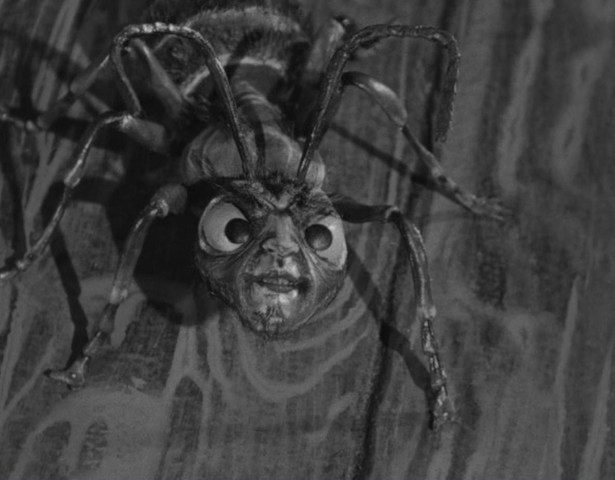
"Outer Limits" was cancelled in the same year as "Twilight Zone" and "Alfred Hitchcock Presents" as networks decided audience tastes were changing. However the show has kept it's allure occasionally being rerun and with all it's episodes available on DVD. Only the show's one hour length kept it from being rerun as often as "Twilight Zone" or "Alfred Hitchcock Presents" even though most of the episodes now appear to be in public domain. As with "Twilight Zone" there was an "Outer Limits" remake series in the 1990's.
"THE OUTER LIMITS";
~~~~~~~~~~~~~~~~~~~~~~~~~~~~~~~~~~~~~~~~~~~~~~~~~~~~~~~~~~~~~~~~~~
"ALFRED HITCHCOCK PRESENTS"
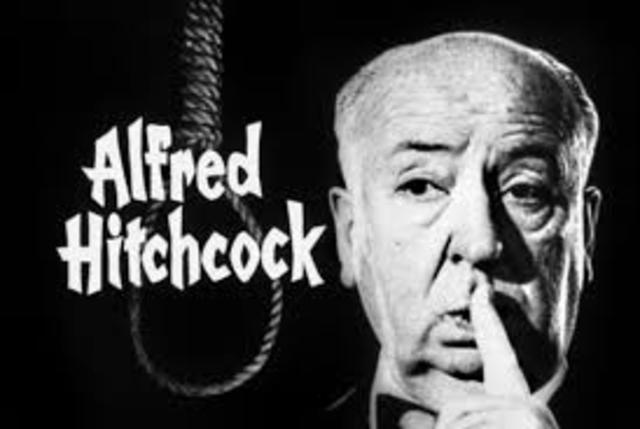
The most successful of all anthologies, at least in terms of longevity, was this show which ran longer than "Twilight Zone" or "Outer Limits" combined. This anthology ran from 1955 to 1964 on CBS and has been available on reruns ever since. This is more due to the marquee value of the Hitchcock name rather than the excellence of the show itself which is often erratic. Alfred Hitchcock himself had little day-to-day involvement with the show, which was instead produced by Joan Harrison, one of his former assistants. He instead acted as a droll host deadpanning his way through dry comedic set-ups and codas which sometimes had little connection to the actual story. The focus of the stories was limited to crime stories with a twist ending. There was rarely, if ever, any supernatural or sci-fi element so the stories lack the unpredictable quality of "Twilight Zone" or the otherworldly quality of "Outer Limits", "Tales Of Tomorrow" or "Lights Out". The tone is rather light compared to the other shows with the focus on clever twist endings, sometimes humorous ones. The quality of the shows is maddeningly inconsistent. Some shows are quite clever and briskly done, but others are sloppy and end abruptly as if they were rushed through to the screen, something the perfectionist Rod Serling would never have allowed. Another occasional annoyance is the habit of having Hichcock close off a story by delivering a closing comment that undercuts the story you just watched by explaining that the killers actually got caught after all, usually without explanation.
The stories value cleverness rather than the mood or depth of other such shows but they are still usually enjoyable and efficiently done. The best episodes faithfully show the Hitchcock influence with sly twist endings and a dry detached wit stripped of any of the morality of "Twilight Zone" or "Outer Limits". In Hitchcock's world the bad guys often get away with murder and nobody ever seems to particularly care about the victim. The direction is competent but rarely showing the moody noir influences sometimes shown in "Twilight Zone" with shows having a ratio of inside to outside sets similar to "Twilight Zone" or "Outer Limits". Like "Twilight Zone" (and unlike "Outer Limits" or "Tales Of Tomorrow") the show showed a willingness to set episodes in other times from the Victorian to contemporary eras. The show shared many of the same actors used by the other shows mentioned here, although they usually did not get the same literate dialogue, including;
Darren McGavin, Diana Dors, Carolyn Jones ("Adams Family"), George MacReady, Brandon DeWilde ("Shane"), John Forsythe ("Dynasty"), Walter Mathau, Robert Vaughan ("Man From Uncle"), Barbara Bel Geddes, Dick York ("Bewitched"), Claude Rains ("The Invisible Man"), Laurence Harvey ("Manchurian Candidate"), Alan Napier ("Batman"), Tom Ewell, Sebastian Cabot, Micheal Ansara, Jo Van Fleet, Everett Sloane, Rip Torn, Claire Trevor, Steve McQueen and Peter Lorre (both in the same episode), Werner Kelmperer and John Banner (both later in "Hogan's Heros" and both in the same episode).
"Alfred Hitchcock Presents" was cancelled in the same season as "Twilight Zone" and "Outer Limits" but it has survived in reruns. Like "Twilight Zone" and "Outer Limits" the show was remade in the 1980's with new episodes that managed to reuse the old Hitchcock intros and codas (now colourized) on new stories some of which were rewrites of original stories. Harrison had a try with another mystery anthology called "Journey to The Unknown" in 1968 but it lasted less than a season and was in colour and outside the scope of our survey.
"ALFRED HITCHCOCK PRESENTS";
~~~~~~~~~~~~~~~~~~~~~~~~~~~~~~~~~~~~~~~~~~~~~~~~~~~~~~~~
"TALES OF TOMORROW";
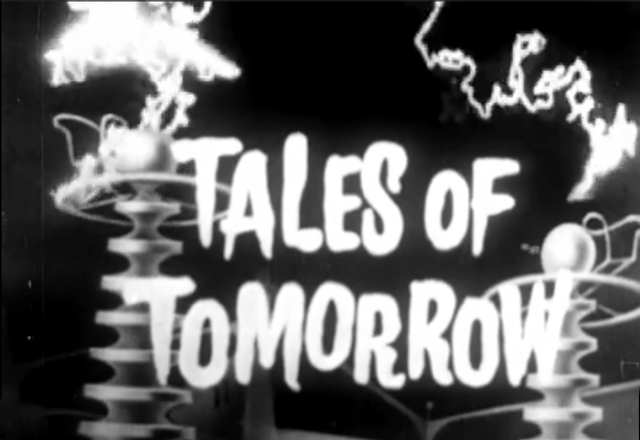
"Tales Of Tomorrow" (1950 - 1952) was the first explicitly sci-fi anthology series often seen as the precursor to both "Twilight Zone" and "Outer Limits". As was common with most TV shows of the early "Golden Years" it was made quickly and it looks it. Everything was shot on an indoor sound stage which often looks dark and cramped. They use obvious stage sets, some quite flimsy, and in the first year some of the painted backdrops actually have windows and bookcases that are clearly painted on. The reliance on indoor sets means that there is very little actual action seen. Any fights, chases, crashes etc happen off scene to be referred to or heard rather than seen. After season one this deficiency is made up by using stock footage, some quite old. All of this was normal in that era and TV viewers of the time would not have found this strange. The pace was a little slow but directors sometimes adapted to their limitations by using some film noir techniques with shadows and lighting. All this means that episodes can be a little slow and talky by today's standards but they do have a dark mood and atmosphere.
While the sets may have been crude the scripts were quite good. While most are of the sci-fi variety featuring aliens and robots similar to the later "Outer Limits" others had twist endings closer to "Twilight Zone" and there are a few which fall into a more fantasy category including at least one story; "What You Need" which later turned up as a "Twilight Zone" episode a decade later, virtually unchanged. There were also some adaptations of older classics by HG Wells and Mary Shelly's "Frankenstein". The tone of "Tales Of Tomorrow" was often dark and moody with some of the stories ending badly for all involved, unlike the later "Outer Limits" where the good guys usually won or the conflict was resolved. Most, if not all episodes were set in either in contemporary America or in some vague not-too-distant future.
"Tales Of Tomorrow" was one of the first shows to be able to attract some notable actors including;
Boris Karloff, Lon Chaney jr, Lee J. Cobb, Sylvia Sidney, Darren McGavin ("Kolchak, The Night Stalker"), Leslie Neilson, Brian Keith, Sam Jaffe, Eva Gabor, James Doohan, Phillip Pine (Star Trek), John Newland ("One Step Beyond"), Burgess Merideth, Joan Blondell, Victor Jory, Veronica Lake, Gene Lockhart, Everett Stone, Mercedes McCambridge ("All The King's Men"), Jackie Cooper, Jack Warden, Thomas Mitchell ("It's A Wonderful Life"), Rod Steiger and James Dean (both in the same episode no less) and a young Paul Newman and future wife Joanne Woodward (but not in the same episode).
Due to it's relatively low budgets and comparably crude production standards "Tales Of Tomorrow" hasn't been seen much on TV as reruns even though the episodes have been in the public domain for years. They are available on DVD and this ground breaking show has gotten some of the attention it deserves. Note that the show's credits were designed by Arthur Rankin, an animator who would later become one of the founders of Rankin-Bass Studios, producers of the classic Christmas toons "Frosty The Snowman" and "Rudolph The Red Nosed Reindeer" although the bare-bones graphics used here give no hint of this.
"TALES OF TOMORROW";
~~~~~~~~~~~~~~~~~~~~~~~~~~~~~~~~~~~~~~~~~~~~~~
"LIGHTS OUT";
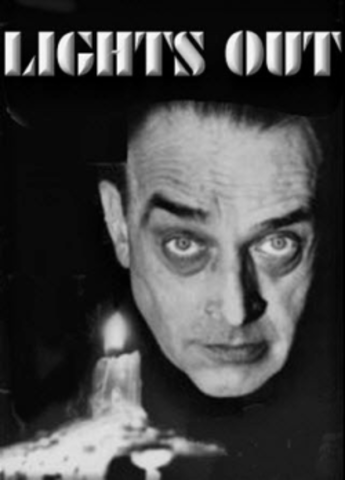
"Lights Out" was the first important mystery/fantasy anthology running from 1949 to 1952. "Lights Out" actually started out as a long running radio show produced and largely written by Arch Oboler, a Rod Serling type figure who set the standard template for later anthologies; bizarre mystery and supernatural short stories that focused on mood and twist endings rather than action. The radio show also became known for having a deep voiced host introducing each show with the catchphrase; "It is later than you think!", slowly said in a loud droning voice accompanied by the sound of a loud bell tolling. The TV show was a success and moved to television after Oboler's death. The opening was changed to an eerie droning organ and stuttering piano keys as the host; the bald, pop-eyed, ghoulish Frank Gallup greeted you with a deep voiced, leering "Helloooo" before introducing tonight's episode. He would also close off the episode with a droll comment.
As with "Tales From Tomorrow", "Lights Out" was a low budget affair done on a sound stage with cheap sets. Some early shows seem to have very little set design at all, instead relying on darkened sets and harsh lighting to set a mood. Again as in "Tales From Tomorrow" there was no actual action on "Lights Out" with any such activity being referred to or heard off-stage. The stories were rather talky betraying their origins in radio drama. The focus in "Lights Out" was on the supernatural with twist endings rather than sci-fi fables. Another holdover from radio was the music, a somewhat cheesy melodramatic organ and cascading harp trills that was also common in soap operas of the era. Like most shows of that era the shows were essentially shot live and the camera work was pretty static although they occasionally experimented with a few expressionistic camera tricks and moody lighting. The tone in "Lights Out" was rather moody and somber, an atmosphere somewhat encouraged by the claustrophobic effect of the darkened, cramped sets. The endings were often downbeat. One episode, "The Angry Birds" may have influenced Hitchcock's later movie "The Birds". Another episode was based on a Sir Walter Scott story and set in Georgian Scotland allowing for the most preposterous Scottish accents this side of Groundskeeper Willie. Most stories were set in contemporary America however.
Early TV shows of the first era often had trouble attracting stars. In an example of myopic fear the Hollywood studios regarded TV as the enemy and banned it's stars from appearing on TV at all for the first few years, not even to promote their movies. With no star system of their own yet TV networks instead had to rely on actors from radio (both NBC and CBS also owned radio networks) and theatre. However a few notables did appear, some not yet famous, including;
EG Marshall, Lee J Cobb, Joseph Sweeney (all later in "12 Angry Men"), John Carradine, Beatrice Straight, Leslie Neilson, John Forsythe ("Dynasty"), John Newland ("One Step Beyond"), Arlene Francis ("Honey West"), J Pat O'Malley, Billie Burke, Eddie Albert, Raymond Massey, Yvonne DeCarlo ("The Munsters"), Jonathan Harris ("Lost In Space"), Robert Stack ("The Untouchables"), Robert Culp ("I Spy") and Henry Hull ("Werewolf Of London").
Producer Herbert B Swope jr was the son of Pulitzer Prize winning writer Herbert Swope, an editor of the "New Yourk Wold" and member of the Alqonquin Table along with the likes of F Scott Fitzgerald, Dorthy Parker and Robert Benchley.
In spite of it's importance "Lights Out" has been largely overlooked. With it's low budget look, slow pace, cheesy music, often static film work and stage-bound aura the show already looked hopelessly archaic by the late fifties (only a few years later) and it has never been in demand in reruns or on DVD although it's now in public domain and enough episodes are available to fill out a season.
"LIGHTS OUT";
~~~~~~~~~~~~~~~~~~~~~~~~~~~~~~~~~~~~~~~~~~~
"ONE STEP BEYOND";
This series is not as well remembered but it actually ran from 1959 to 1961 and preceded "Twilight Zone" (by several months) and "Outer Limits". "One Step Beyond" (sometimes also known as "Alcoa Presents") was different from other anthologies in that it claimed to based on fact rather than a format for sci-fi or fantasy. All the stories were reportedly based on actual experiences with the supernatural. This meant that like "Outer Limits" the stories fell into predicable categories; ghosts, past lives, telekinesis, ESP, premonitions and other psychic phenomena. All presented in a sober straight-forward manner with no attempts at humour or moral message. Aside from the occasional UFO there are no robots, aliens, time travelers, toys come to life or crime stories. Because the theme of the series was the claim that all the stories were factual some of the stories were based on previously known tales such as premonitions from Abraham Lincoln and George Washington or the Titanic sinking.
The direction was similarly straight forward, lacking in the Film Noirish or Expressionistic flourishes the other shows often had. They were also lacking in memorably flashy scenes or clever dialogue. "One Step Beyond" was also shot on a more limited budget than "Twilight Zone", "Outer Limits" or "Alfred Hitchcock Presents" and this shows in the reliance on indoor sets and fairly static camera work and the use of stock outdoor footage. Accordingly "One Step Beyond" did not attract any notable writers or directors although it did attract some some good (albeit some not yet famous) actors including;
Christopher Lee, Warren Beatty, Donald Pleasence, Charles Bronson, William Shatner, Patrick McNee, Joan Fontaine, Cloris Leachman ("Mary Tyler Moore Show"), Robert Blake ("Barretta"), Reginald Owen ("A Christmas Carol"), Yvette Mimieux ("The Time Machine"), Andre Morell ("Hound Of The Baskervilles"), Elizabeth Montgomery ("Bewitched"), Mike Connors ("Mannix"), Suzanne Pleshette ("Bob Newhart Show"), Jack Lord ("Hawaii 5-0"), Robert Loggia ("Scarface" and "Big"), Louise Fletcher ("One Flew Over The Cookoo's Nest"), Whit Bissell ("Time Tunnel"), Werner Klemperer ("Hogan's Heros" and "Judgement In Nuremburg"), Robert Lansing, John Daly, Joe Turkel ("The Shining"), Ed Platt ("Get Smart"), James Hong, Phillip Ahn, Ronald Howard ("Sherlock Holmes"), Veronica Cartwright ("Daniel Boone", "The Birds"), Pernell Roberts ("Bonanza"), Patrick O'Neal, Norman Lloyd ("St Elsewhere"), Barbara Baxter, Irene Ryan ("Beverly Hillbillies"), Albert Salmi, Robert Webber and Ed Binns (both in "12 Angry Men").
Like "Twilight Zone", "Lights Out" and "Alfred Hichcock Presents", "One Step Beyond" had a host to introduce each episode. In this case it was John Newland, a journeyman television actor who already appeared in "Lights Out" and "Tales Of Tomorrow". Unlike the droll, mocking Serling, Gallup or Hitchcock, Newland was a rather bland, wispy actor with a pale, vacantly apprehensive face, a hesitant manner, an unblinking stare and a breathless voice who introduced each story with serious and somber air as befits the show's "exploring the real supernatural" theme. Besides hosting Newland directed many episodes and also acted in a few.
Although "One Step Beyond" lacked the distinctive style of the other series mentioned here it was a solid and consistent show done cheaply and efficiently and since it had a corporate sponsor in Alcoa it was able to stay on the air and built up a large library of episodes which could be rerun. Most of these episodes are easily available on DVD keeping the show alive where other similar shows have been lost even though the show is rarely rerun. In 1978 the show was brought back in colour with Newland again hosting but it would last only a season. In the 1980's the British ska band Madness named a classic song after the show.
"ONE STEP BEYOND";
~~~~~~~~~~~~~~~~~~~~~~~~~~~~~~~~~~~~~~~~~~~
"THRILLER";
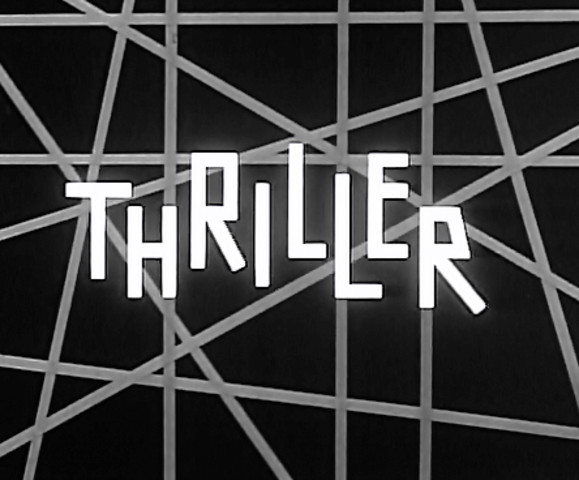
The failure of "The Veil" (see below) did not discourage the idea of having Boris Karloff as host for an anthology show and "Thriller" was the next result. Done by Revue Studios for MCA in 1961 to 1962 this time there would be a sufficient budget to hire writers like Robert Bloch, directors like Arthur Hiller, Paul Henreid, Ida Lupino, Ray Milland and John Newland and composers Jerry Goldsmith and Morton Stevens. Karloff would introduce each episode and act in a few as well. The stories were usually supernatural with a dark ghoulish tone, similar to a Hammer Film done on a lower budget and in black and white. And with less skin, this being television of course. Stephen King has claimed the show as "The best of it's kind up to that point". I disagree. Completely lacking in subtlety, "Thriller" lacks entirely the cleverness, variety and literate dialogue of "Twilight Zone", "Outer Limits" or "Tales Of Tomorrow". It does have suspense but not their sense of wonder either. "Thriller" also does not have the slick and occasional noirish direction of "Twilight Zone" or even "Outer Limits". The Emmy Award nominated scores by Jerry Goldsmith did add a sense of menace to the proceedings and Karloff was a fine host with his usual droll charm. The spider-web opening credits were also a nice touch. The show also scored a Hugo Award nomination in 1962.
Actors who guest starred included;
John Newland (fresh from "One Step Beyond" in a episode he also directed), Leslie Neilson, Constance Ford, George Grizzard, Everett Sloane, Mary Astor, Rip Torn, Cloris Leachman, Robert Lansing, Mary Tyler Moore, Jack Carson, Werner Klemperer, William Shatner, James Gregory, Nehemiah Persoff, Robert Vaughn, Reginald Owen, John Ireland, Edward Platt, Lloyd Bochner, Brandon De Wilde. Virginia Gregg, Jeanette Nolan, Hazel Court, Natalie Schafer ("Gilligan's Island') and comedian Mort Sahl.
In spite of it's award nominations the show only lasted two seasons although it did spawn a comic book spin-off on Gold Key Comics which lasted into the 1980's. The Pretenders incorporated a title of one episode in the lyrics of the song "Back On The Chain Gang" in 1984. Unlike most of the other shows listed here "Thriller" is not in public domain (aside from one episode which somehow slipped out), however it is available on DVD.
"THRILLER";
~~~~~~~~~~~~~~~~~~~~~~~~~~~~~~~~~~~~~~~~~~~~~~~~~~~~~~~
"THE VEIL";

"The Veil" occupies a strange position among mystery/fantasy anthologies. It is one of the better remembered and is readily available on DVD, in spite of the fact that it's original run was aborted and the show never actually made it to air.
"The Veil" was hosted by Boris Karlof who also appeared in each episode in different roles, either as a leading role, villain or supporting player. Like "One Step Beyond" the stories were purportedly based on true cases of paranormal activity, mostly concerning premonitions, esp, ghosts and the like. The stories are presented in a straight-forward way with little real action and occasional touches of light humour, usually caused by Karloff's typically off-hand performances. In various episodes Karloff could have roles ranging from a large or a minor and in a couple episodes his character is incidental and seems tacked on. The supporting actors are mostly obscure but solid enough. Stories are set in various times from contemporary to Victorian times and range in location from America to Europe to India. Using facilities at Hal Roach Studios the show looks quite professional with detailed sets and costumes and unlike many other shows of the era the quality of existing prints is quite good. Many outdoor scenes appear to make good use of stock footage such as speeding police cars, planes in flight or location shots.
The show was done by an independent production company for syndication rather than by a network. Unfortunately after a season's worth of episodes had been filmed the company ran out of money and went out of business and the series was never picked up. Karlof always complained that he had never been paid. Although the show never aired the episodes went into storage somewhere to be resurrected years later in the 1980's (after they had gone into public domain) to be aired on late night cable TV and home video where they've been available ever since. The survival of this otherwise obscure show is itself a twist of fate since many other shows it it's time have been long lost. That the show had Boris Karloff's name attached probably explains why it wasn't simply tossed away decades earlier, and since it had lapsed into public domain made it easy to program for early cable TV which had little programming of it's own as yet. From the episodes left we can say that while it would probably never made it into the status of the Big Three it would have been a solid show.
Given it's short (or non-existent) life "The Veil" did not get to attract many notable guest stars however the show did manage to score a couple of up-and-comers in George Hamilton and the ubiquitous Patrick McNee, along with a few veterans; Eve Brent ("Tarzan"), Ron Hagerty ("Sky King"), Morris Ankrum ("Perry Mason") and Claudia Bryar, who would later turn up in "Psycho 2".
"THE VEIL";
~~~~~~~~~~~~~~~~~~~~~~~~~~~~~~~~~~~~~~~~~~~~~~~~
"13 DEMON STREET";
Like "The Veil" this was another show which has survived in spite of not actually making it to air, at least not in America. Like "The Veil" the series was filmed in 1960 by an independent production company formed by Hollywood veteran Curt Siodmak who had credits ranging from writing "The Wolfman" to directing B-Movies like "Love Slaves Of The Amazon". In a bid to cut costs he made a deal to shoot the series in Sweden using their facilities, crews and some actors. After a series of episodes were made (ironically exactly thirteen of them) Siodmak tried to find an American buyer without success and then gave up filming more. The shows may have aired in Sweden at some point however as existing episodes have Swedish subtitles.
This anthology was hosted by Lon Chaney jr and based around the theme that Chaney was an undead spirit cursed to search for someone who had committed a crime worse than his, which of course were never explained. The episodes are about the crimes Chaney's nameless narrator witnesses. This makes the stories closer to the quirky crime stories of "Alfred Hitchcock Presents" than the supernatural oddities of "Twilight Zone", "Lights Out", "One Step Beyond" and "The Veil", or the sci-fi of "Outer Limits" and "Tales Of Tomorrow", in spite of the beyond-the-grave intros. Although one episode; "The Black Hand" is an obvious rip-off of the classic German silent horror classic "The Hands Of Orlock" in which a killer's hands are amputated and grafted on to another man's hand, only to take him over and turn him into a killer. It's probably the best episode done.
Chaney was a rather morose and wooden actor with a heavy face, bleary eyes and raspy voice made worse by his heavy drinking and smoking. He owed his career less to his own charms and more to his famous name, after his father the great Lon Chaney sr, silent screen star of horror classics "Phantom Of The Opera" and "Hunchback Of Notre Dame" which led to the lucky break of being cast in his own horror classic in "The Wolfman" followed by a bunch of B-movies and serials. Like Karlof and Lugosi he was able to parley this into a long career with numerous film and TV credits. However Chaney lacked the presence or talent of Boris Karlof nor did he have the eccentric charisma of Lugosi. As a host he also lacked the droll wit of Hitchcock or the cool, wry charm of Rod Serling. In his intros he looks disheveled, tired and hungover, although he always did by this point in his career. Unlike Karloff in "The Veil" Chaney does not actually act in the episodes however.
Although Siodmack had shown himself to be a good writer as a director he was pedestrian with little of the sense of style of the best "Twilight Zone" or "Outer Limits" episodes. The rather spartan sets also lack the lush sheen of "The Veil". The actors are unknowns, and judging by the names are presumably a mix of Americans, Brits and Swedes and although they are fluent in English some have noticeable accents. The show explains this by setting the stories in Europe so that's not really a problem. However the level of acting is often stiff and awkward giving the whole thing a rather amateurish low-budget look. It does however have an oddly sleazy b-movie feel so it's not hard to see why American TV turned it down. In fact it's hard to see how Siodmak thought he would be able to sell this to TV in the first place.
After failing to find an American buyer for the show Siodmak had some of the episodes edited together as an anthology movie under the title "Satan's Messenger" in 1963 and dumped into the drive-in movie circuit where the names of Lon Chaney and Curt Siodmak still had some pull. Both the TV series and movie versions are in public domain and show up on bargain DVD collections.
"13 DEMON STREET";
~~~~~~~~~~~~~~~~~~~~~~~~~~~~~~~~~~~~~~~~~~~
"TALES OF FRANKENSTEIN";
"13 Demon Street" was actually Curt Siodmak's second attempt at a TV horror anthology, his first try was this show from 1958 which was done for the legendary Hammer Studios in Britain as a potential TV show in America or Britain. The idea was to do an anthology series based on stories from the traditional monster movies from the 1930's such as "Frankenstein", "Dracula", "The Wolfman", "The Mummy" etc. Thus "Tales Of Frankenstein" may have been a working title. As it happened nobody picked up the show and it never moved beyond the pilot episode. This episode recycles stock footage from Universal Studios films "Bride Of Dracula" (1931) and "The Inner Sanctum" which causes some problems when the sound doesn't synch up. But it's still a decent recreation of the 1930's monster movies from Universal Studios. As you expect from Hammer Studios it's nicely lush and Gothic, in a low budget kind of way. It's a little hard to see how long they could have continued on in this vein by recycling classic monster movies. The cast are mostly unknowns except for Richard Bull, an American TV and film character actor with a long career stretching from the 1950's to the 2000's and included roles in "Little House On The Prairie', "Voyage The Bottom Of The Sea" and "Mannix". This pilot somehow was saved to later be repackaged in DVD collections with "13 Demon Street" and "The Veil", sometimes incorrectly labeled as an episode of one of those shows. Conversely another DVD version is floating which claims to include a second episode about Jack The Ripper, but that story is actually an episode that was taken from "The Veil" after the fact.
"TALES OF FRANKENSTEIN";
~~~~~~~~~~~~~~~~~~~~~~~~~~~~~~~~~~~~~~~~
There were a number of other anthologies from TV's B&W era with titles like; "Escape" (another former radio show), "Hands Of Mystery", "The Clock", "Out Of The Fog", "Volume One", "Mystery Theatre", "Science Fiction Theatre" and "Great Ghost Stories". Most of these shows are unavailable and probably long lost.
GOLDEN EARING ~ "TWILIGHT ZONE";