Overshadowed by their flashier, more artistically ambitious sisters of comedies, horror, romances, epics and serials the modest genre of Educational Films are rarely if ever given any notice but they are actually an important window on the Silent Era as well being among the most durable.
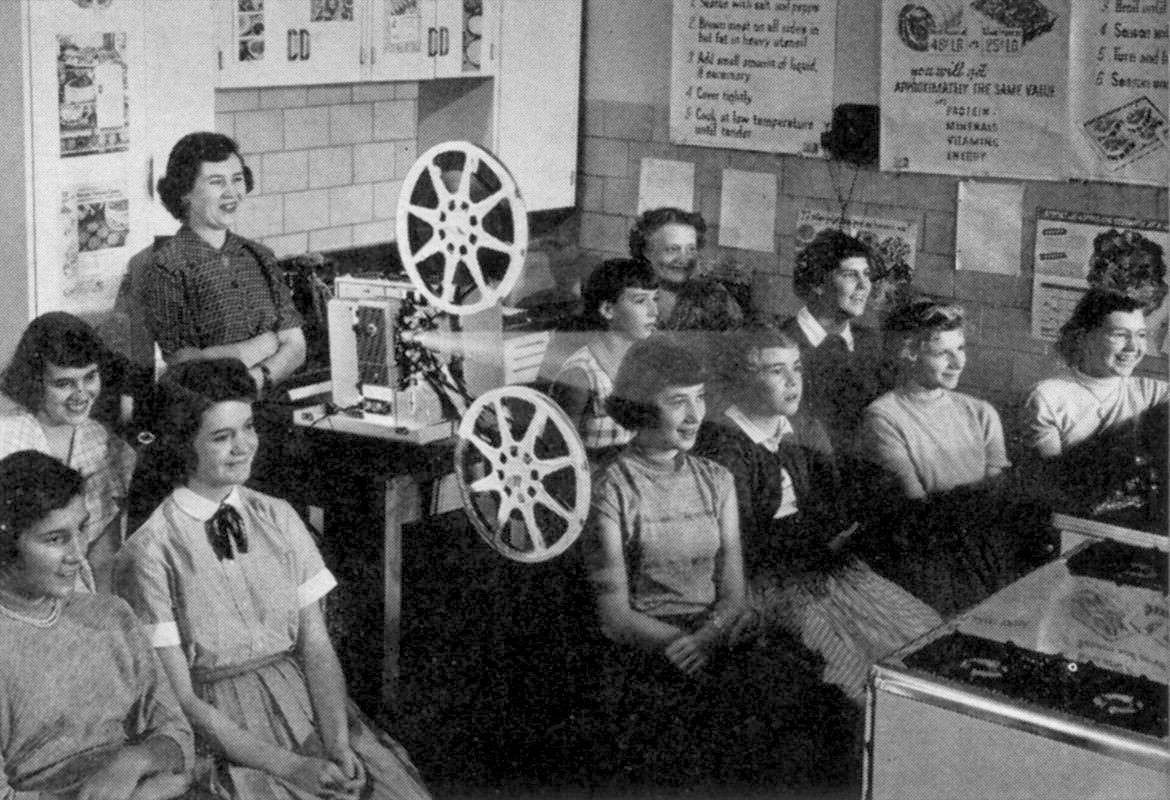
Much of the first generation of film in the 1890's had been made up of simply pointing a camera at some real life situation or location with the genre being refered to as "Actualities". However the intention of these films was not to educate people and they were instead relying on the sheer novelty of people actually seeing moving images of a moving train or the skyline of New York or even someone just feeding the pigeons. There was no attempt to add any context or tell a story. The heyday of Actualities only lasted a few years before the novelty wore off and films with proper narratives in the modern style (albeit it as one reel shorts) had taken over. Eventually educators started to realize that film could be used as a medium not just to entertain but to educate and short films started being made with the specific goal of educating the masses on a variety of subjects. The 1910's was a time of Progressives and Reformers busy in all sorts of areas from health to education to urban reform and a belief that science and technology carried endless posibilities for the future. Educators were eager to make use of the new medium and with small 16mm film projectors available and being cheap and easy to use school boards at least in larger cities were making use of them. A 1913 statement by the Federal Dept of Education (which had been created in 1867) released a report which said "The institutions were nearly unanimously in favor of teaching through cinemotography and the prediction was made by most of them that the day was close at hand when they would all consider the cinematograph projector and film as an indespensible part of their equipment". The report stated that at this point this was more true of colleges, universities, trade schools and highschools but expansion into elementary schools was seen in the not too distant future. Seperate from this trend religious organizations were also looking at films for their schools and missionaries with as early as 1911 seeing a pamphlet urging their use entitiled "The Religious Possibilities Of The Motion Picture" (Herbert Atchison Jump) even as other religious leaders were still condemming films as a worldy tool of decadance.
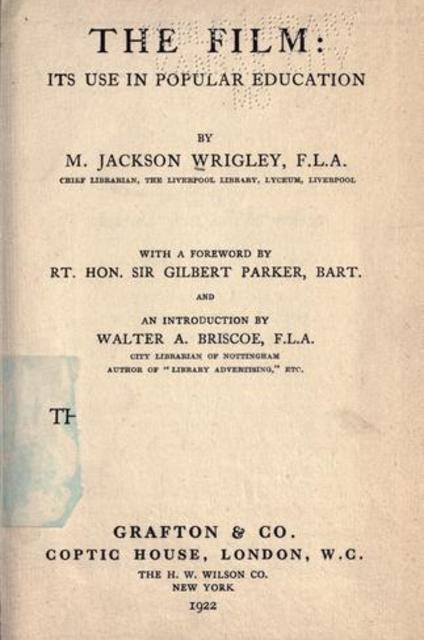
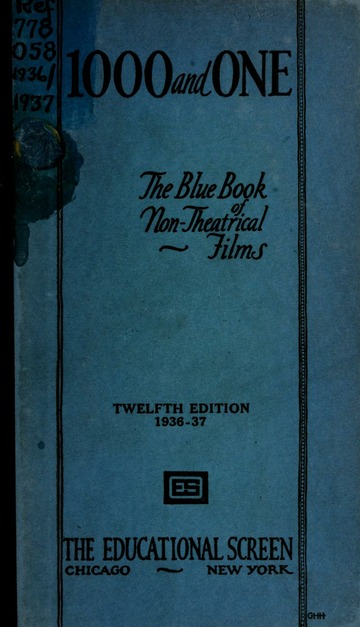
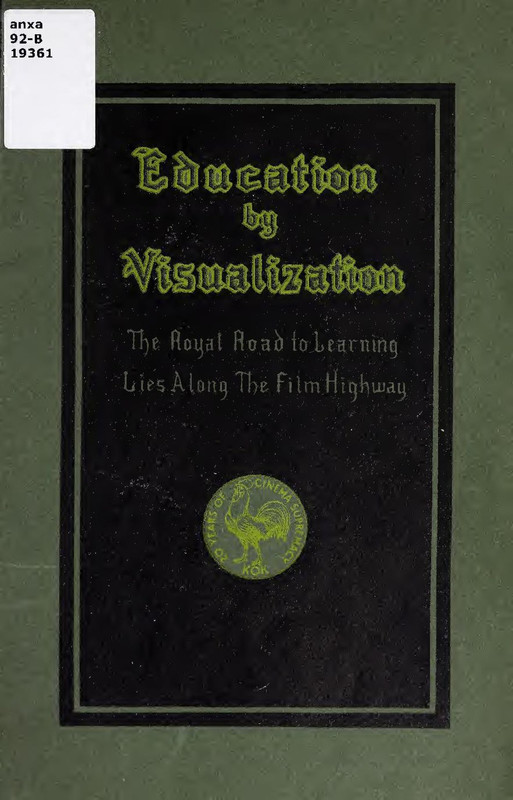
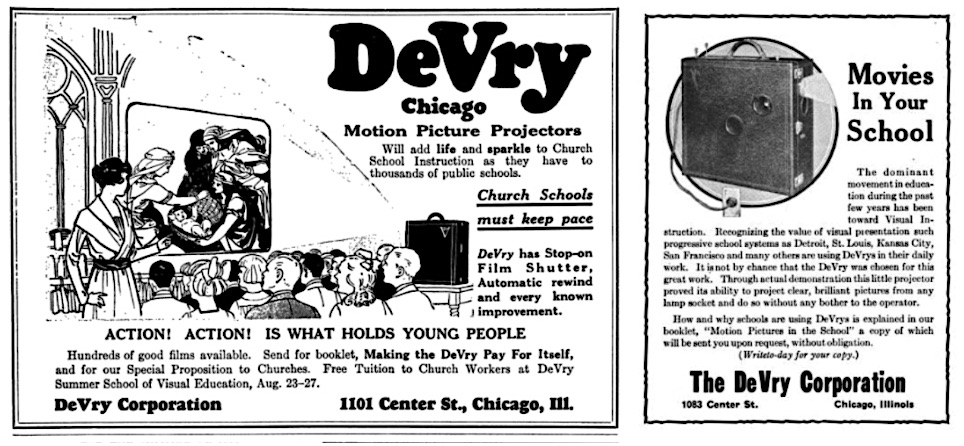
By the time of the Great War there already were detailed published works advocating for the use of film as an educational tool including "Motion Picture Education" (Ernest Alfred Dench, 1917), "Visual Instruction Through Lantern Slides & Motion Picture Films" (William Richard Duffey, 1918), "Education By Visualization" (1918, published by Pathescope Pictures, subtitled "Education Without Effort"), "Film, It's Use In Popular Education" (Wrigley Jackson, 1922), "Motion Pictures For Instruction" (Andrew Phillip Hollis, 1926), and by 1921 there was a monthly trade guide called "The Educational Screen" billed as "The Independent Magazine Devoted To The New Influence In National Education" and the "Blue Book Of Audio Visual Materials" both listing hundreds of films available from dozens of studios ranging from major studios like Pathe, Fox and Famous Players to large specialty studios like Bray Pictures and DeVry to smaller and largely anonymous studios with equally anodine names like Neighborhood Pictures or Service Studios.
By 1915 there was enough interest to generate a more sober pamphlet produced by the Visual Education Association Of California co-signed by the Presidents of dozens of major universities entitled "Our Visual Education Problem" which saw the potential of film but criticized the lack of standards as well as waste and inefficiency (they were also concerned about there being a fire hazard with reportedly the entire film stock held by the New York Dept of Education being destroyed in a 1911 fire) and called for a "motion picture apparatus" in every state to distribute films to every school selected by the state Board Of Education thus ensuring more low income and rural schools wouldn't be left behind.
In fact just how widespread film use was outside the cities is questionable as until FDR's New Deal programs of rural electrification in the 1930's, the majority of schools in rural America remained as the same one-room school houses that had existed since pioneer days without electric power and in some areas like Appalachia, the Ozarks, Newfoundland Outports, the Far North and the Black South this would still be true into the 1960's.
Besides being used in schools the target audiences went beyond and some weren't meant for schools at all. While most of these films were indeed sold to schools, universities and libraries some were also sold to various community groups and clubs which held a larger and more important role in society than they do in our more atomized post TV and internet era. Groups like the Rotarians, Elk's Lodges, women's clubs, travel and sports clubs, unions, reform clubs, ethnic and foreign language clubs, Boy and Girl Scouts, YMCA, WCTU, 4_H Clubs, Farm Grange groups and church groups would hold movie or educational nights for their members while some large corporations like Ford and Goodyear financed films that showed the greatness of their products and workforces.
Besides these groups some of these films were actually shown to the theatre going public being worthy of being added as opening attractions to matinee or weekend bills usually because their subject matter and photography was likely to be interesting to the wider public, this is especially true of travel and nature films. Other films made specifically by corporations could advertise not only their products but the larger social beneficence of their rule. There were also films that were used to show how to use a new device (notably the telephone) and even those designed to give short lectures on American history or civics lessons on subjects the role of citizens might be added to the bill in areas with a heavy immigrant population. The studios and distributers were aware of this and sometimes bundled together different unrelated shorts (usually comedies) on the same reels with the above mentioned "Our Visual Education Problem" giving the example that a short entitled "President Taft And His Cabinet in Washington" was released with a Katzenjammer Kids slapstick comedy tacked on to the end and warning schools to be able to edit out such distractions which were obvioulsy added for a theatre doing an afternoon matinee.
These films, aside from those that might be added to a public theatre bill, were marketed differently than Hollywood films, even those that were made by Hollywood studios. Instead of being sold or sent out as part of a studios weekly releases they were sold through mail order catalogs that were distributed to various school boards, universities, libraries and the like. Ironically this was similar to the the first generation of films (and records) in the 1900's which could be sold through the Sears and Roebuck catalogs. By the 1920's this practice for the general public was mostly limited to travel and nature films and at the other end of the spectrum stag and "party" films. Religious and films had their own mail order networks as well as did ethnic films including Yiddish and Chinese films.
While made on a low budget, these films were usually professionally done sometimes by major studios like Pathe and Fox as well as large studios that specialized in the genre. Some of these studios like Bray, Jam Handy and DeVry would become successful business that would continue for years while others were more fly-by-night with generic names like Neighborhood Pictures would release a few films before shutting up shop perhaps to sell their stock or reopen under a different name. The anonymous nature of these films meant that few if any had any screen credits and the actual filmmakers were completely unknown then and will certainly remain that way so we have no way of knowing how many Hollywood filmmakers, editors, cameramen, intertitle writers, technicians and even minor actors got their start or moonlighted in educational films but we do know a few names.
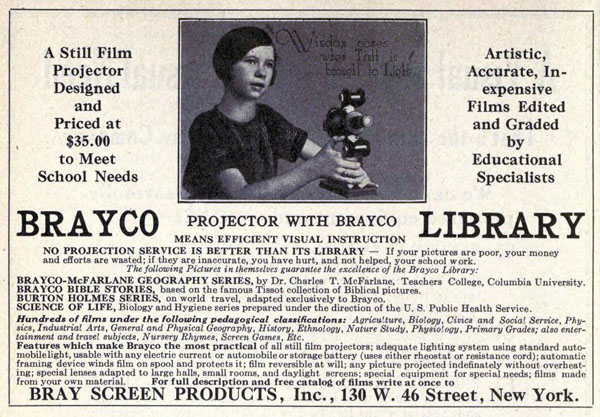
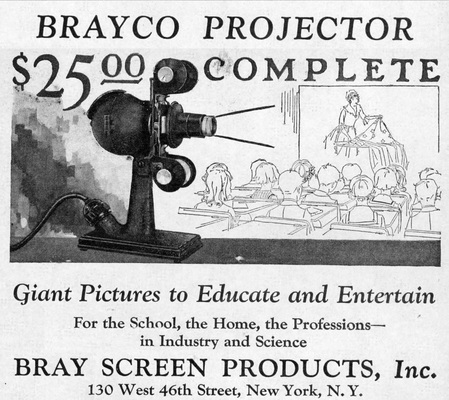
One of the most important was Bray Studios which would also show that the supposedly low key and wholesome world of educational tunes could be every bit as cut-throat and ruthless as the Hollywood studio magnets. Bray was founded by John Bray in 1912 and would make a name for itself as a producer of early cartoons employing some later famous animators like the Fleischer Bros, Walter Lanz ("Woody Woodpecker") and Paul Terry ("Terrytunes"). John Bray himself had been an early animator and was heavily influenced by the brilliant pioneer animator Winsor McCay and his groundbreaking shorts of the 1910's like "Gertie The Dinosaur" with McCay himself teaching him some of his methods only to have Bray go behind his back and try to patent them (which McCay had at first generously chosen not to do being happy to encourage other cartoonists) and then had the nerve to sue McCay for violating the patents on his own inventions! McCay would end up winning those suits but it set a pattern of Bray's hard driving, not to mention greedy business attitudes. Besides cartoons Bray also tried his hand at making comedy shorts and branched out into the lower profile but lucrative genre of educational, promotional and industrial films including for clients like the auto industry and the US Army. Bray would spend less time on animation to focus on running the business including cutting a deal with Sam Goldwyn in 1920 which gained Bray Studios more money and major distribution but also a heavier workload which along with Bray's penny-pinching would lead his best animators, the Fleischers, Lantz and Terry to leave and found their own studios. Bray's lucrative ad contracts including those for the automotive industry were managed by producer and former Olympic swimmer Jam Handy who would eventually leave as well in the 1930's to start his own studios as well taking most of his clients. Bray began to drift away from his comedy and cartoon business by the end of the twenties but the educational division would continue on into the 1960's as Brayco which had also marketed a model of small film projector suitable for classrooms. He lived to see some of his films shown at MOMA and died in 1978 aged 99. Jam Handy was a former Olympic medal winning swimmer (at the 1924 games) who got a job in newspaper marketing with the Chicago Tribune before moving into producing industrial films and educational films for the Army during World War One which led to teaming up with Bray who put him in charge of the educational division while Bray focused on his comedy and cartoon ambitions. By the end of the twenties Handy left Bray for his own Jam Handy Organization which would become a major producer in the 30's and 40's. Besides about 7,000 educational and industrial films Handy produced some animated films including the first version of "Rudolph The Red Nosed Reindeer" directed by Max Fleischer. Handy died in 1983 aged 97 as the oldest American Olympic Medalist.
Charles Urban had started out in the early days of film Actualities in Britain. An American who started out as an agent for a book publisher and managing a stationary store in Ohio and Michigan as early as 1895 he spotted the potential of film and moved to Britain in 1897 and started his own Charles Urban Trading Company as one of the first film producers in the UK specializing in educational, travel, advertising and sports films and making some war films during the Great War and some full length films. Besides the hundreds of documentaries he also dabbled in non fiction including an early science fiction films "The Airship Destroyer" (1909) and "The Aerial Submarine" (1910). He also did among the first colour film releases. After the war he returned to America and tried to establish his company however he overextended himself and by 1924 his businesses had failed and he returned to Britain but was unable to rebuild his fortunes. Even the outbreak of a new war found no role for the old man and he died and died in 1942 aged 75 already forgotten.
"ON THE BANKS OF THE ZUYTER ZEE" (Fragment, date unknown directed by Charles Urban)
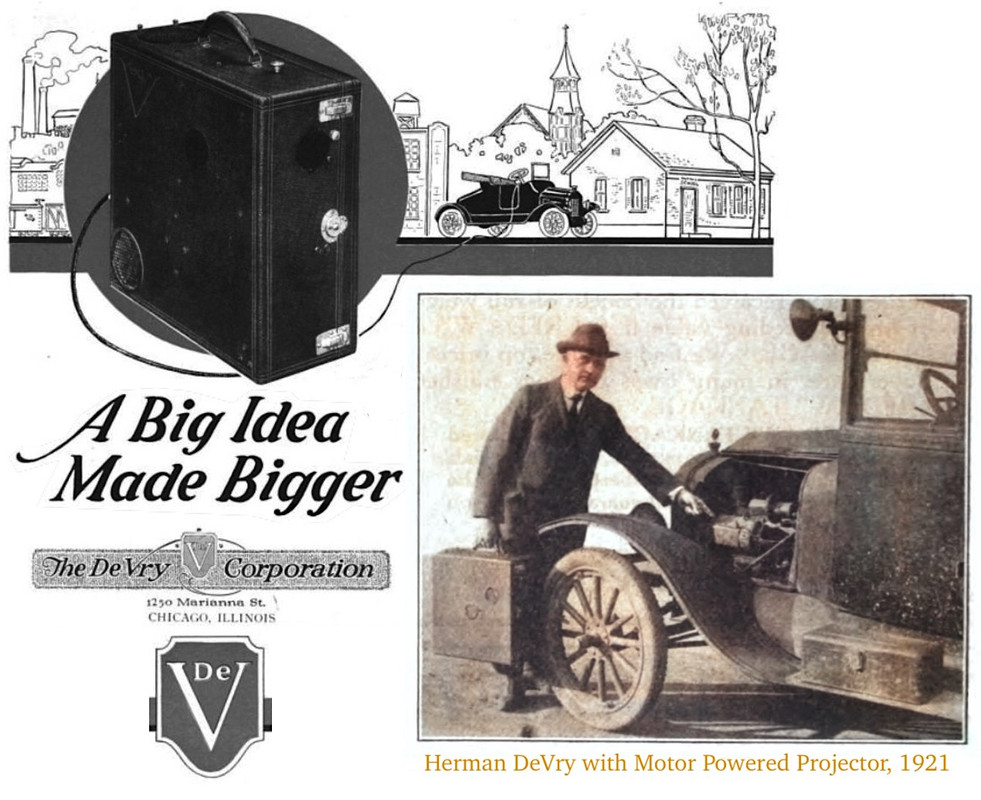
DeVry School Films were another major producer of educational films in the twenties, a look at 1926 guide book for educators listing films available for schools and libraries from numerous companies (including US government departments) has dozens of films from DeVry on various subjects. Founder Herman DeVry was a German immigrant and an inventor and friend of fellow inventor the notorious Lee Deforest who claimed to have invented radio and television (he did not). Besides being one of the pioneers of educational films and later went on to found the well known DeVry Universities as a chain of private technical colleges across the country which still exist. He died in 1941.
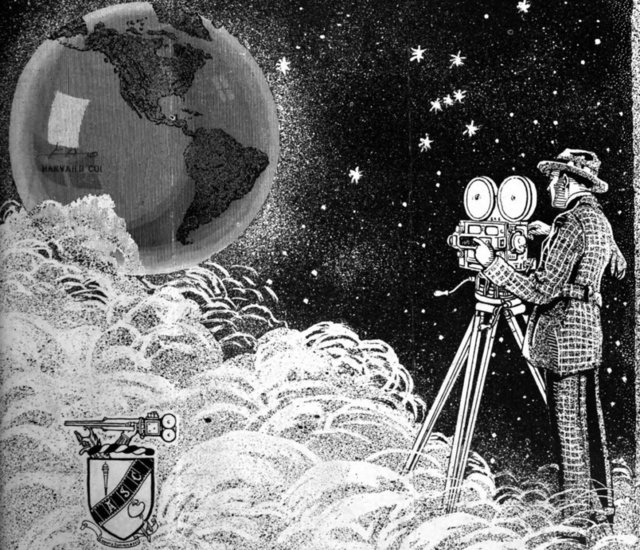
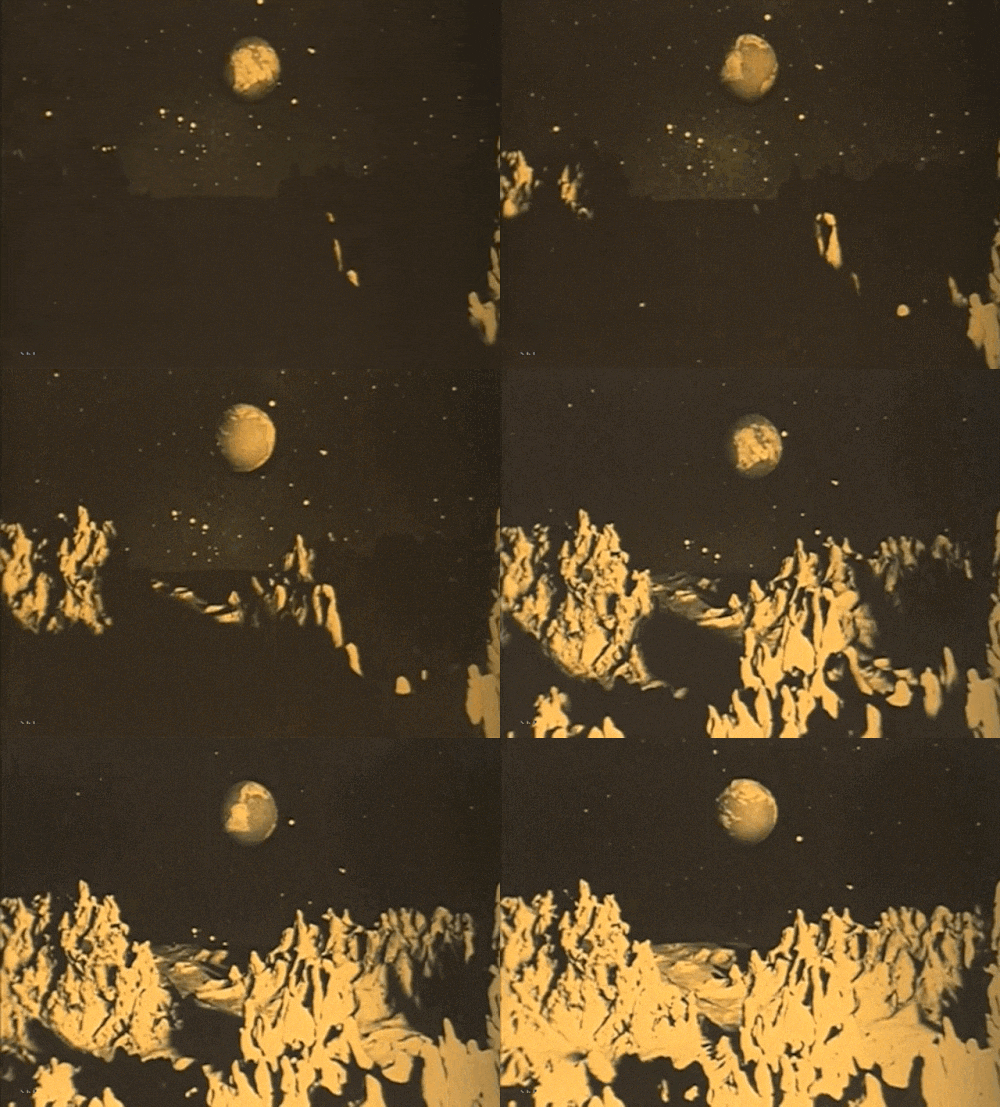
The subjects of these films covered a range of topics with the most popular including nature and travel films to vistas both and home and abroad for an audience most of whom at this time still had never travelled far from home unless they were immigrants or WW1 vets and even then probably only once. Other common subjects were science and technology including promoting or explain how to use new electrical appliances, phones, cars, typewriters, cash registers etc in an era of constant innovation. There were basic history lessons about Presidents and explorers and the like and civics and citizenship lessons as well as hygiene lessons. A specific genre were films about space and the planets which I already wrote about here.

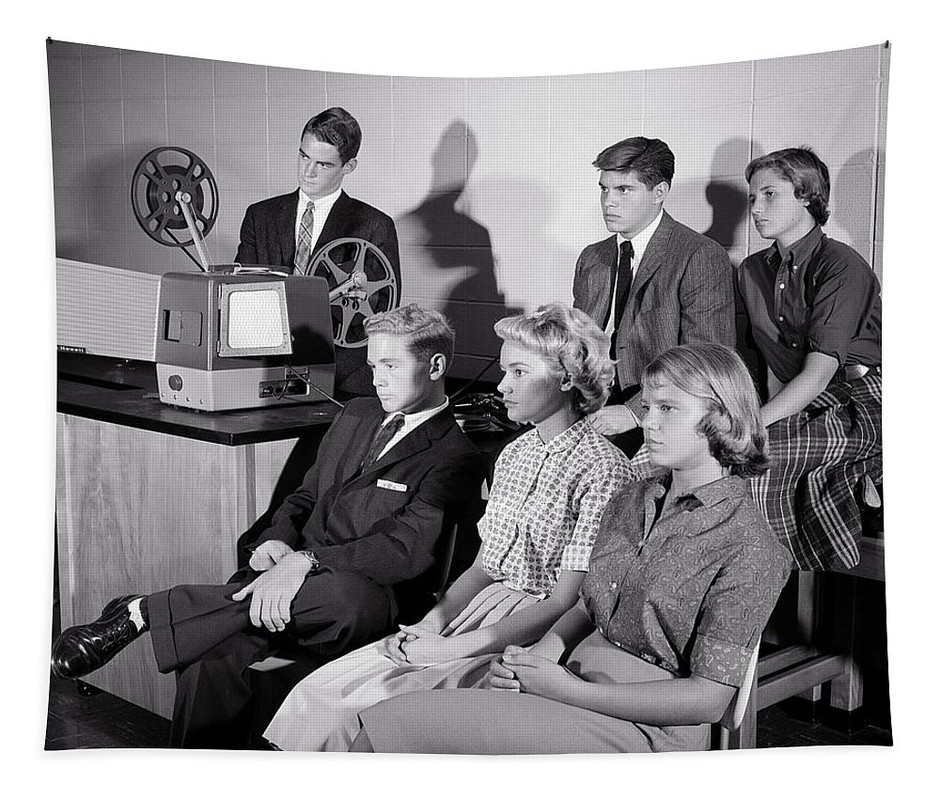
One of the ironies of these films is that even though they had no artistic pretentions or dreams of longevity these films are among the best preserved of the silent era. This is due to a few factors. Unlike feature films which were rented out to exhibitors and returned weeks later, educational films were sold to exhibitors and schools who stored them away to be used for years and in fact most of these titles were still in use well into the 1960's. By contrast when Hollywood studios were done showing a film they would (hopefully) place a few copies in storage and melt down the rest for their silver content. Even those films stored away might not last long as studios went bankrupt or merged and the risks of damage from moisture, and the ever present danger of fires could destroy hundreds of films in a day. Thus while such important figures as Teda Bara, Alla Nazimova, Florence LaBadie or John Bunny have only a surviving few films each we have dozens of films from John Bray, Jam Handy or DeVry and they can give an unique view of life in the silent era and while most were shot quickly in a very bland and straightforward manner occasionally some geniune artistic flair could be seen.
================================================
TRAVEL FILMS;
One always popular subject was travel films of various suitably exotic lands. Even before the advent of films travelling lectures using lantern slides were a popular form of entertainment with the middle class and almost as soon as cameras became portable enough to be lugged on the back of a mule or strapped into a canoe crews went out to bring the world to a public who had mostly never travelled to another continent and had previously had to make do with travel books with their grainy photos and lithographs. Jungle safaris and forest were a particularly enticing draw. Here we have some examples of each.
"SUMATRA, LAND OF YESTERDAY" (date unknown);
This film was made by the Goodyear Tire Company showing local natives as well as footage of the Goodyear rubber plantations and factories. The native footage does include some decent footage of dances and a theatrical musical show of some sort presented in a way that is not especially patronizing and the natives are shown in a non threatening way and there is also some quick shots of a volcano however there is no doubt that the purpose of the film is to show how the American corporation has brought civilization and improvement to their lives. At one point the use of a bulldozer is greeted with an intertitle saying it "brought an element of civilization to this desolate place" with similar praise for a steamroller however to (most) modern eyes it's the resulting barren landscape, denuded of trees that looks desolate. The intertitles also happily state that the "coolies" now have soap reinforcing a typical colonial belief that brown skinned foreigners are inherently dirty. The factory is praised as "clean and modern" although to modern eyes it looks rather gloomy. Another intertitle literally praises "The untiring efforts of the Goodyear Organization to render a still greater service to civilization" and a rice crop as "evidence of civilization's gradual conquest of this distant island" which nicely sums up the colonial attitude. Note that the use of the term "Coolies" while now seen as racist was at the time simply a generic term for any Asian laborer. As an odd note Sumatra was at the time a Dutch colony but there is no mention of that at all and one could get the impression that it was actually an American territory if not a Goodyear one.
"THE BATAK OF SUMATRA" (1928);
By contrast with the Goodyear film this one was made by Pathe Pictures in conjunction with Harvard University as part of a series "Peoples Of The World" and instead of corporate propaganda it attempts to be a more educational view of the people of Sumatra. It includes more information including maps and some background info as well as more and better location footage. No plantations or factories this time or patronizing peons of bringing civilization. Unlike the first film this one takes an actual interest in the people however superficially. Notably that while the first film seems to imply the Europeans brought rice cultivation to Sumatra this film does not. Both films show in their music and dances, always a popular part of any presentation of tribal peoples. Once again we get a volcano to close things off. Note that this is the area where the notorious Krakatoa eruption had taken place in 1888 and was still remembered. Once again that this is a Dutch colony is not mentioned.
Between these two films the Pathe/Harvard one is clearly the better educational tool (if superficial) while the Goodyear one is both corporate and colonial propaganda. The former could easily be used in a school setting while the latter is more of a promotional tool that Goodyear was no doubt happy to have shown to the general public. The cinematography in both films is about the same with the Pathe film spending more time on the native dwellings. The Goodyear film does have more attractive intertitle cards.
"JUNGLES OF THE AMAZON" (1928);
Made by Fox, this travelogue heads to the Amazon via the Andes in Ecuador in a safari type manner and is more interested in the landscape than the people who we are reminded are headhunters and possibly dangerous. Unlike the goodyear Sumatra film there is little portrayal of European "civilizing" aside from a brief shot of a city the party and film crew sets off from and a mention of Pizzaro's conquest. The natives are clearly in need of such civilization though as they are explicitly named as violent, lawless and "warring constantly over their one treasure, women" and otherwise "scratching out a bare and monotonous existence" and described as following gods that are "bloodthirsty" and "ruthless". Although the actual natives we see seem perfectly friendly and more bedraggled than threatening. One of the oddities of this film is that even though it's entitled "Jungles Of The Amazon" we don't actually see any jungles! Instead we spend our time in the Andes Mountains and the headwaters of the Amazon. Due to it's short length it's possible and even likely this film was part of a series that continued on with the party down the river and into the actual jungles. In spite of the obvious scenic possibilities of the Andes the photography here is nothing special. This film is too short and shallow to be of much educational value and provides more of a brief taste of exotic titillation which would be acceptable enough as an opener in a theatre matinee which is probably where it was more widely seen than in a school setting.
"THE HEART OF ELDORADO" (circa 1926 or 27);
This is a fragment with the date and studio being unknown. What remains are some beautiful shots of idylic mountain rivers and lakes. Rather than being shot at the El Dorado River in Alaska this film was actually shot on the Maruia River in New Zealand, popular with fisherman including famed American Western writer Zane Grey who wrote a book about the place in 1926 which he referred to as the "Angler's Eldorado" so it's likely this film came as a result of this book which would explain the title. It's also entirely possible the man we see sitting admiringly at the lakes edge is Zane Grey himself as he does resemble him. This film is more of a tourism booster than an educational film at least what little is left. It's also unknown if this film was made by an American company or a New Zealand one. As a tiny and isolated country New Zealand had little domestic film industry and like Canada the government did set up a state-owned studio as the National Film Unit (NFU) to make documentaries and promotional films but that was not until 1936 however it's still possible this was a domestic production aimed at the US market. Besides being a fragment this print is rather also rather distressed which only adds to it's dreamlike quality today.
"ABOVE THE CLOUDS IN RAINIER NATIONAL PARK" (date or dates unknown);
While exotic locales like distant jungles and mountains full of colourful natives were popular subjects the mass production of the automobile was ushering in a new age in long distance vacations for the middle class and there were still plenty of wild places nearby to visit. This film goes to Mt Rainier in Washington State and this time we get some appropriate shots of the mountains looking suitably majestic high above a sea of fluffy clouds and raging rivers. With no colourful natives to show we instead focus on the journey with shots of mountain climbing and paddling canoes through rapids. About halfway through suddenly and without warning or explanation we are hundreds of miles away in Banff National Park in Canada and the gorgeous Banff Springs Hotel (still open BTW) with it's imperial grandeur and we're taking a ride above it on a cable car to Sugar Loaf Mountain and Twin Falls. Then just as suddenly we end up at Takakkaw Falls which are in a different National Park in British Columbia. There is plenty of fine photography here but the abrupt switch from three different locations in two separate countries without explanation suggests this film was actually edited together from two or three different mountain travel films slapped together with the title frame from the Mt Rainier being kept in place. The fact that there are noticeably different styles of font used in the intertitles throughout also suggests this. It's even probable that these films were originally made by entirely different studios. This points out one of the problems with these films in that once they had been purchased distributors were free to edit them as they pleased as I also noted in my previous about the space documentaries which reused some of the same footage from each other. This has some nice scenery but without any context it has no educational value.
"BC LUMBER" (date unknown);
Canada offered a different kind of exotica. Largely still seen as a wilderness full of vast forests, rugged mountains, rivers and frozen tundra with plenty of colourful natives and French lumberjacks and trappers but properly ruled over by Anglo white men and the iconic Mounties, Canada was just different enough to be foreign but similar and close enough to be safely so. As with Sumatra we have two different films with the first being an official promotional film put out by the Canadian government to showcase the timber industry in British Columbia. We see plenty of detailed and gorgeous sequences of chopping down massive Redwood trees, floating them down the river and sending them to the sawmill.
This is a well made film with some fine photography, the intertitles are attractive and clear and the whole thing is coherent. While it's obviously propaganda it at least avoids the patronizing tone of the Goodyear Sumatra film or the Amazon film partly because it doesn't display any colonial attitudes towards native people thanks to not mentioning them at all. Of course it also doesn't display any concern for the environmental impact of all that clearcutting although to be fair at this point only a few isolated voices were starting to consider this. Indeed unlike most films of the Canadian wild we get scenes of wildlife at all. Almost from the start of the film era there some of the biggest film stars had been Canadian including Mary Pickford, Florence Lawrence, Florence LaBadie, Mack Sennett and producer Sam Goldwyn but the actual domestic film industry had been tiny and known mostly for independent filmmakers like Nell Shipman with Canada being too small, still largely rural and geographically spread out to support a large studio. However the Canadian government had started a film bureau as early as 1918 to make promotional and educational films and the ones that promoted industries and tourism and immigration were marketed to US and foreign screens so these films were usually well made as here if a little generic. This film could be shown in both a classroom and as part of an theatrical opening feature to promote both Canadian timber and tourism.
"CANADA, LAND OF THE MOOSE" (1927);
This film was made by Fox and unlike the rather dry (if attractive) lumber film shows the work of a filmmaker with some background in narrative film as we open with shots of an American city (presumably New York) with its urban noise and clatter then we quickly shift to an unknown part of Canada where we are "Far from the crowd - contentment!". We get the usual scenes of canoeing down the river rapids, over an impressive beaver dam (I've seen beaver dams and they are usually smaller) and through a bullrush clogged pond before making camp and making dinner ("Flapjacks, pike and coffee"" we are helpfully told) next to an open fire. We have already seen similar scenes in the Amazon film but here they are presented much more vividly and we get a real sense of physicality with straining muscles pushing through the rapids and better photography of the stunning landscape. Halfway through we get to the moose and we spend the rest of the film seeing shots of these impressive animals. Fortunately our voyagers didn't shoot any, although the larger target audience for this film would have been American tourists who wished to hunt them. This well made film could easily do double as an educational tool as well as to promote tourism.
"FELLING FOREST GIANTS" (date unknown);
Another from Pathe as part of a series that is more about forestry industry propaganda than about nature. Unlike the Canadian film this one actually does concede that the rate that trees are being denuded is not sustainable but assures us that the situation is under control. In spite of having no doubt experienced crew from Pathe the footage here is not nearly as attractive as the Canadian film however and is focused on the process of cutting and transport rather than the forest itself which we see little of. We close off with a log rolling competition, something notably lacking in the Canadian film.
"TREES" (date unknown);
This film was produced by Castle Films, which means it's possible they didn't actually make the film but bought it from another producer or edited it together entirely or partly from other sources. Regardless it does have both a specific narrative message and uses scenes recreated with actors for a more filmatic style. The film quotes Joyce Kilmer who wrote the poem but oddly leaves out the most famous line; "I think that I shall never see a poem as lovely as a tree". It goes on to point out that Kilmer died in the Great War and shows some realistic footage that was probably repurposed from another film. Then we take an inexplicable side trip to prehistoric times with considerably less plausible scenes of primitive man using trees for shelter which looks like they could have been repurposed from Buster Keaton's "The Three Ages". All this is to display the importance of trees to civilization and then we fast forward to today where we see a modern wood house and various wooden products which include sailing ships and the invention of paper in China before moving on to the by now standard scenes of logging and a pulp and paper mill. At this point we're only two minutes in and we've already covered a few hundred thousand years of mankind. Next we get tributes to the importance of paper and facts and figures about tree production before shifting gears once again to a lecture on preventing forest fires including some fire footage. The film takes care to note that the main cause of fires isn't industry but careless citizens like you. This is an odd film with wild switches in timeline and a rambling narrative starting off with the standard praise of the industry that probably funded it and ending in a public safety lecture which was probably a selling point to market to educators. It's a little too earnest in its eagerness to pump up its importance with its references to poems, cavemen and ancient China (all in under twelve minutes) but it was probably perfect to show to Boy Scout troops and 4H clubs. One odd note is for a film that is supposed to be a tribute to trees there are no good shots of trees in the film itself, especially compared to the Canadian films and in fact the photography in general is pedestrian. Note the distributor listed as Wholesome Film Service on the title card but this was clearly added much later, probably in the 1940's or 50's and they would have simply bought the rights to distribute and as always it's also possible they made edits and changes to the film although the intertitles do remain constant throughout.
================================================
NATURE FILMS;
Nature and animal films could include some wildlife scenes along with footage of microscopic creatures that had never been seen before by the general public which could make these usually otherwise dry science and biology lessons of interest to non-students if they were photographed and presented in a creative manner.
"A DAY AT THE RIVER" (1928);
This time the river we visit is the rushing white water rapids of our previous films but instead an idyllic fishing hole complete with a Huckleberry Finn type character before we get to the main attraction which is detailed footage of various fish and crayfish and even some shots of microscopic larvae and eggs. This sort of footage was a new technique never seen before by laymen who were probably suitably impressed. This was an age of scientific discoveries and new technologies and even the general public took an interest. There is the barest trace of a narrative structure with the use of a framing device with our Huck Finn going to and leaving the fishing hole at the end. This film was made by DeVry Studios who specialized in educational films exclusively but it could have been more widely shown.
"DOWN AT THE POND" (1926);
This film dispenses with any sort of framing device aside from a quick glance of the pond before getting to the point of more close up footage of frogs and tadpoles. Some of this footage is quite striking and has a surreal quality of an alien world and must have seemed so to audiences at the time. In fact twenty years later as the age of Sci Fi films began footage like this would be used to show aliens, dinosaurs or creatures of the deep in many B Movies. This film is listed as a production of Neighborhood Films, a minor player but it also credits as having been edited by "Pathe, Bray, Wythe and other libraries" including Urban-Kineto, Searchlight and another whose logo I can't make out. With a generic name like Neighborhood I can find few other details about the company but they do have a few other films listed in the educational films catalogue including a space film I covered in my article about 1920's space docs a few years ago. They seem to have been more of a distributor than a studio that shot their own footage but instead edited together footage from other films.
"ANTS; NATURE'S CRAFTSMAN" (date unknown);
One of a series from Pathe it's a few minutes longer than usual and thus too long to be added to a theatrical bill and is purely a stolid classroom tool. We get the usual close ups of the ants as well as plenty of explanatory intertitles which also occasionally personalize them somewhat. What we don't get however is a good view of the interior of the anthill which is odd since the concept of Ant Farms must have been known by then. This film lacks any of the slightly cinematic touches of some of the other films although it does take a somewhat morbid interest in the ants' more violent tendencies.
"BEES & SPIDERS" (date unknown);
This is similar to "Ants" but it has a slightly breezy style including introducing the bees at the start as if they were cast members. This is really a fragment as the title card is missing as is the ending so we don't know what the full version included and the title is a guess. We also don't know who made it although it's evidently not from Pathe. Once again this one is purely for school use.
"DEVELOPMENT OF A SALAMANDER" (date unknown);
Made for Yale University this one about the life cycle of a salamander from egg to adult delivers what it promises but is quite dry and of would be of no interest other than purely educational but some of the photography is rather striking and probably looked otherworldly at the time.
"MANY WINGS" (1927);
This one from one of the smaller independents is has a more lyrical than educational theme consisting mostly of random shots of sea birds without any real context. The shots are pretty and restful but have little to no educational value and even though the studio is named Educational Pictures this is more of a gentle art film. The studio's slogan as "The Spice Of The Program" suggests that this film at least would be just as happy as one of the opening reels of a matinee.
=================================================
SCIENCE FILMS;
The 20's was a time of groundbreaking scientific discoveries in a number of fields that even the general public were aware of even if they didn't necessarily understand them or their larger significance so a few of these films might have been of some interest to the public if they were presented in a visually striking or entertaining manner.
"THE STRUCTURE OF THE EARTH; VOLCANOS" (1923);
Made by Pathe in conjunction with Harvard University with a combination of footage of eruptions and shots of various volcanoes both active and dormant (including Mount Rainier which we visited earlier) and animated cross sections. Some of the volcano footage includes aerial shots which was still a fairly new technology, the animation if rather crude however. We close off with some dramatic shots of slow moving lava destroying a village which must have left quite an impression on contemporary viewers.
"AIR; A LESSON IN GENERAL SCIENCE" (1928);
Another from DeVry this one uses some dramatic footage of rushing rivers and a ship being buffeted by gale force winds but the really spectacular shots are some animated footage of a tornado which actually looked real at first blowing through a town in slow motion as a menacing dark cloud. Later it becomes clear that it was animated but it's still well done, we also get some other more obvious animated footage. After that the film gets more matter-of-fact but does still have some well shot footage. Oddly this film isn't really about the air itself but more about wind air currents and air pressure and it does seem to ramble off topic at times but it does have some shots of early air travel including planes in flight and some even more striking parachute jumps and some undersea footage which was still difficult to shoot.
"THE STORY OF ASBESTOS" (1922);
Filmed by the US Department Of The Interior for the Johns-Manville Mining Company this is another corporate propaganda film masquerading as an educational film. Besides being twice as long as usual it's not especially noteworthy as a film being a straightforward presentation of the mining and production of asbestos done with no particular flair. However the film does take on a horrifying aspect in retrospect as we now know that asbestos is highly carcinogenic something the film has no clue of. In one of the first intertitles we are assured that the mineral can be handled as easily as "wool or cotton" and throughout we see people casually doing just that with nobody wearing masks or even gloves. Wecan assume that literally all these people later died of cancer or any number of other respiratory diseases. Speaking of historical hindsight, although this is an American film, we spend most of it in Canada where we also see footage of the dreary town of Asbestos, Quebec, the mining town that grew up outside the world's largest asbestos mine. Over twenty years later the town became the center of a prolonged and violent strike as Johns-Manville backed by the conservative Union Nationale Quebec government tried to bust the union who among other issues were becoming concerned with the health issues of asbestos dust. One of the results of which was the start of the career of young lawyer Pierre Trudeau who arrived to advise the union (including telling them they had a right to use violence to defend themselves from strikebreakers) along with other figures who would become the leaders of modern Quebec and Canada in future leaders of the Liberals and Parti Quebecois including union leader Jean Marchand and journalists Gerrald Peltier, Pierre Laporte and Rene Lesvesque who would later defeat the Union Nationale in what is considered one of the watershed elections in Quebec and Canadian history. By 2011 the dangers of asbestos were well known and synthetic alternatives existed and the last mine was shut down. The town still exists looking pretty much as it does here however to escape it's stigma and appeal to a new economic base of hunters and fishermen the town changed it's name to the more scenic Val-Des-Sources in 2020.
================================================
HEALTH;
Speaking of asbestos, a specific type of educational film explained how the body worked and advocated for public health issues. Accordingly some of the latter films were intended to also be shown to the general public.
"SUNSHINE; A ROMANCE" (1929);
Made by Rothacker Productions, who I've never heard of, this film differs from other such films in that instead of using a dry presentation of facts it is instead presented as a docudrama to give it's message of the health benefits of getting plenty of sunshine. This was a common theme in the Victorian Era and the early twentieth centuries when urban reformers worried about the gloominess of the asphalt jungle and the urchins who grew up there and worked in dingy factories or mines. The story involves a young married couple (who are expecting) living in the big city being visited by their older aunt and uncle from the country who are appalled to discover a distinct lack of sunlight. The women take a drive in the country so the Aunt can show the benefits of rural living while the men go to some sort of laboratory so a scientist can explain how sunshine leads the growth in plants and then dinosaurs and cavemen using some diagrams, footage borrowed from "The Lost World" and actual footage of children with rickets. Besides sunlight the scientist also advocates eating yeast which is sold in little foil wrapped cubes and can be used in cooking or eaten raw like a piece of cheese which is not something that ever caught on. The film does not mention that one can get vitamin d from not yeast foods like milk and cheese and it's likely the was financed by a yeast farming lobby group. The film is a little strident (at one point it seems to imply we were better off before clothes were invented, a message the implications of which they probably didn't think through) and overly preachy about the benefits of country life and eating yeast. The young couple also seem pretty dense with the wife bandly stating that everytime her plants die she just throws them out and buys new ones to the horror of the Aunt. The film does have a coherent story and the young couple are nice enough but this is much longer than it needed to be.
"GENERAL HEALTH" (1928);
Made by DeVry, this film covers much of the ground as the "Sunshine" film minus the yeastiness. It also contrasts the unhealthy city with the wholesome country although its urban footage looks much gloomier and is clearly genuine footage of tenements while the farm is shown as a rustic sun dappled idyll complete with Huckleberry Finn type heading off to the fishing hole. On the other hand it also shows a more barren Dustbowl type farm as unhealthy and lacking in clean drinking water. This film is stronger for its use of actual footage and dispensing with the attempts at a story and lectures from scientists in white coats thus it's also much shorter although it's obvious some if it is missing.
"SWAT THE FLY" (date unknown);
This one from a smaller studio warns against the dangers posed by possible disease carrying flies and calls for preventative measures. It has some fine closeup shots, some rather more gross shots of maggots on food and a spectaular view of the multi-lensed fly's eye view of the world. After footage of the dastardly fly we get closeup footage of our noble friends in this battle; the spider, the wasp and the bat. This one was made with the general public in mind.
"HOW WE BREATHE" (early 20's);
Bray Studios with their animation dept were well suited to these type of films with their stable of animators who would later go on to found their own studios including the Fleischer Brothers (who would go to create the iconic Betty Boop, Popeye and Superman toons), Walter Lanz (who would create Woody Woodpecker), Paul Terry (founder of Terrytoons, home of Mighty Mouse, Deputy Dawg and Heckle & Jeckle) and Vernon Stallings (who created the Krazy Kat toons and later worked in Disney features). Here we have two typical examples from Bray Studios.Unlike other films here this one is almost entirely animated and can show microscopic images no conteporary technology could have. The tile is self explanatory and there is attempt to tell any narrative with information being shown in a dry way however the animation, while basic and with little actual movement is well illustrated enough to explain it's points clearly.
"HOW WE HEAR"(early 20's);
The animation in this one is similar but the animation has more movement and has some almost surreal imagry that would not be out of place in one of the Dada short films made around the sme time by Geramn director Hans Richter.
"MAN" (1928);
Although credited as being from DeVry this is clearly from Bray Studios and has some of the same animation as :How We Hear" and "How We Breathe" showing how footage could be reused and also distributors like DeVry could just buy the rights from another studio and resell them, perhaps after making some changes and edits. We get some animation of ameobas before using some of the other footage to show how the body works.
===================================================
TECHNOLOGY;
Another category of educational film that was meant as much for the general public if not more so were films made explaining new types of technology. The 20's witnessed a dizzying array of toys that were either new inventions or that had perhaps been around for a few years but were only now being sold to the public in a big way ranging from automobiles to airplanes, from gramophones to radios, from typewriters to telephones to the even more futuristic x-ray machines. For some these new technologies were exciting while to others they were worrisome but all were eager to marvel at how they worked.
"HOW TO USE A DIAL PHONE" (1927);
Telephones had been around for over twenty years in more or less general use but these phones had required an operator to connect the call. By the end of the 20's there was a new invention that would enable people to make person to person calls. This film was commissioned specifically for the Bell Company for Fresno, California (presumably the same films went out to other cities) and gives detailed instructions for how to use the new dial phone as well as the new phone book. This one has some charming cartoon animation that is different from the more detailed animation of Bray Studios and it would be interesting to find out who did it. Given that there's a whole generation who have never used either a dial phone or phone book this one is now sort of helpful.
"HOW THE TELEPHONE TALKS" (date unknown);
Another effort from Bray Studios with their trademark mix of finely detailed animation and occasional live action shots. This one delivers exactly what it promises and explains how a phone works not as in the technology but specifically how it processes spoken and audio sound and as such would go along with the other Bray Studios film about how the ear works.
"SOUND WAVES" date unknown);
This Bray film continues on in a similar vein showing how sound, although using less animation, in favour of the sort of experiments that could be replicated in a classroom. This film is somewhat shorter than usual but it may have been cut off.
"COMMUNICATION" (1928);
Another by DeVry, this film also gives a lecture about how sound works that is not only the same as the Bray Studios films "How We Hear" and "How The Telephone Talks" it even recycles the same footage including the instantly recognizable surrealist animation along with some stock footage. As I noted in my earlier essay about the Space Documentaries taking footage from other films, even those from other studios, and editing it into new films without giving credit was not unusual but it was not usually this blatant and also not usually done by a company like DeVry which had it's own studios.
"THE HOME ELECTRICAL" (1915);
This early effort was produced by General Electric as a promotional tool to extoll the future of the all-electric home (plus a car) and simply involves a young couple escorting a guest through their home and showing off their state-of-the-art toys which include a vacuum cleaner, sewing machine, razor, iron, washing machine, soldering gun and various kitchen appliances. Some of these are less practical than others with the "electric lighted cigars" never quite catching on. Note that the audience for this would be the new prosperous middle-class like the couple shown here who live in a large and spacious house with a maid.
"THE WONDER OF X-RAYS" (date unknown);
While most of these films are either American or Canadian (with the possible exception of the one about New Zealand) this Dutch film shows the use of x-ray machine which had been around for a little while but were now more commonly being used for lesser ailments including dental x-rays as shown here at the start. By this time it was now known that x-rays were dangerous and required special heavy gloves and screens which the film also shows which probably made the whole x-ray experience seem even more terrifying and dehumanizing to the viewers.
"PRINCIPLES OF ELECTROMAGNETISM" (1927);
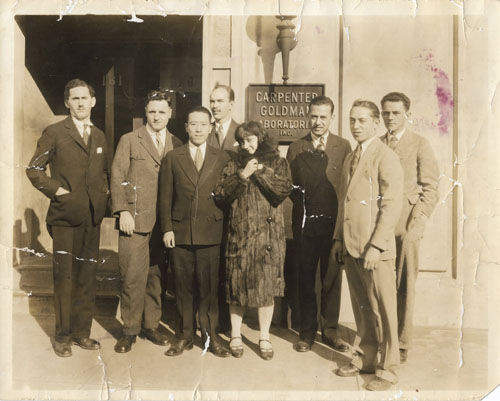
This film from DeVry is highly technical and beyond the grasp or interest of the average viewer relying entirely on shots and diagrams with blocks of text with the animated imagery seeming to be done in Bray's style. Originally released in two parts and put together it does drag on a bit although some of the animated diagrams have some flair. It's worth noting that this film is credited as being "Distributed by DeVry" rather than produced by them with the producers being listed as a Carpenter-Goldman Production. Frank Lyle Carpenter was a former architect who like so many others got his start with Bray Studios (where his cousin worked) as early as 1918 and later went on to found his own studio under the name Carpenter-Goldman Laboratories where he would work with the Fleischer Brothers and Paul Terry and with his own most notable toon being a B&W version of "Goldilocks & The Three Bears" in the early thirties and a stop action short about how telephones work. He later went to work with Jam Handy in the thirties where he continued specializing in animation and stop action animation for corporate clients into the 1960's when he retired.
"FINDING HIS VOICE" (1929);
One of the best known films Frank Carpenter and the Fleischers produced together was "Finding His Voice" (1929) about how talking films worked using cartoon characters.
"HOW ANIMATED CARTOONS ARE MADE" (1919);
We close off with a short from Bray Studios showing how the animation process worked hosted in live action footage by Wallace Carlson. Although youthful looking Carlson was about twenty-five here he was actually already a veteran cartoonist having produced his own shorts as early as 1914 starting out as a newspaper cartoonist (as had fellow pioneer Winsor McCay) and is considered one of the pioneers of animation. He was quickly hired by Essanay Studios where he created a number of now forgotten but successful characters as Joe, the Gumps and Dreamy Dud, a Dennis The Menace type who we see here. By 1917 he moved to Bray Studios and continued on until 1921 when he suddenly quit animation altogether, apparently tired of the grind of producing animated strips which he mocks here. He returned to doing newspaper comic strips with one one of these, "The Nebbs" being successful enough to lead to a radio serial in the 1940's after which he retired and his daughter took over the strip for many years. He died in 1967. This film appears to feature Bray as himself.
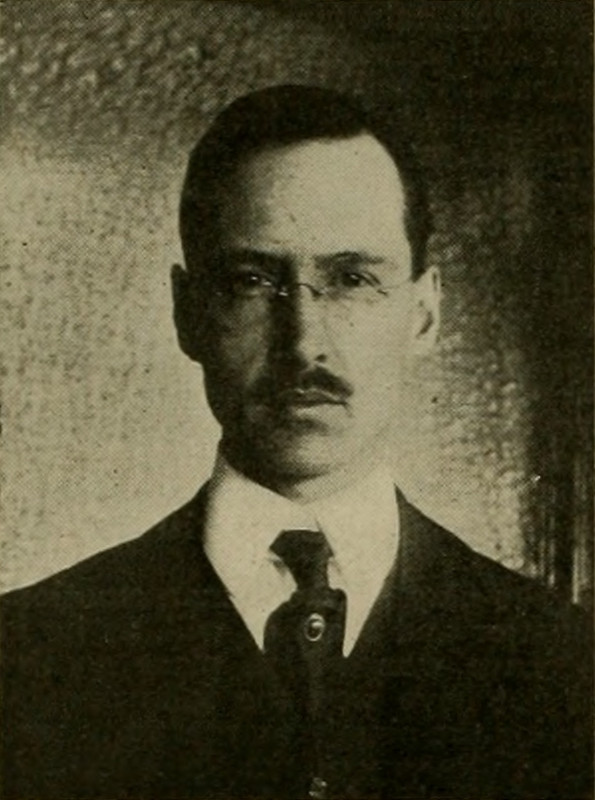
JOHN BRAY