Showing posts with label Silent Films. Show all posts

Tuesday, 31 December 2024

Canada's First Independent Filmmaker; Dorothea Mitchell


The silent era of film was full of notable Canadians. Most prominent were Mary Pickford and Mack Sennett, producer Louis B Mayer, comediennes Marie Dressler and May Irwin, starlets Marie Prevost, Fay Wray, Maud Allan, Florence Lawrence and Florence LaBadie who was born in New York but adopted and raised in Montreal (who I wrote about here). But if there were important Canadians Canada itself was not a significant film producer. Being at the time a small (in terms of population), largely rural and provincial nation with widely spread out population centers Canada had little of the infrastructure or investors needed to support a film industry. In fact it's notable that while most of the above mentioned figures had started out on the stages in the thriving theatre and vaudeville scene of Eastern and Central Canada in order to pursue a film career they all had to move to America. Victorian and Edwardian Canada was still not only a largely rural and agrarian country with only a few cities but much of the country was literal wilderness so it's not surprising that when Canadians started making their own films in their own country the subject matter would reflect this frontier culture but it's more unexpected that the first notable Canadian filmmakers would also turn out to be women.

The first and most important of these women was Nell Shipman (1892-1970) an actress, screenwriter and director who formed a production company with her husband producer Paul Shipman to make a series of adventure films with starting with "God's Country And The Woman" (1915) set in the rugged Canadian wilderness starring Nell herself. Nell was no waif or damsel in distress, she also served as her own stunt double as she rode horses, plunged into rapids or hung off cliffs. These films met with some success in America but her insistence on maintaining her independence made her finances precarious and the cost of making them finally led to end of her studio in 1924 and later divorce. That was the end of her film career aside from some screenwriting work. She is now seen as a pioneer filmmaker, if not THE pioneer filmmaker in Canada.
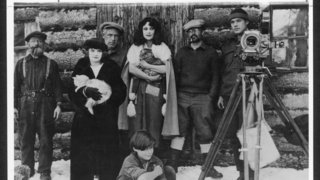
Crew-Final-1600
NELL SHIPMAN (center) & CREW

While Nell Shipman spent much of her career outside the Hollywood studio system she did seek commercial success and for a while found it. The other woman filmmaker would be an enthusiastic amateur. Dorothea Mitchell was a self-made business woman who took to filmmaking as a hobby and ended up almost on a whim producing three films of her own.

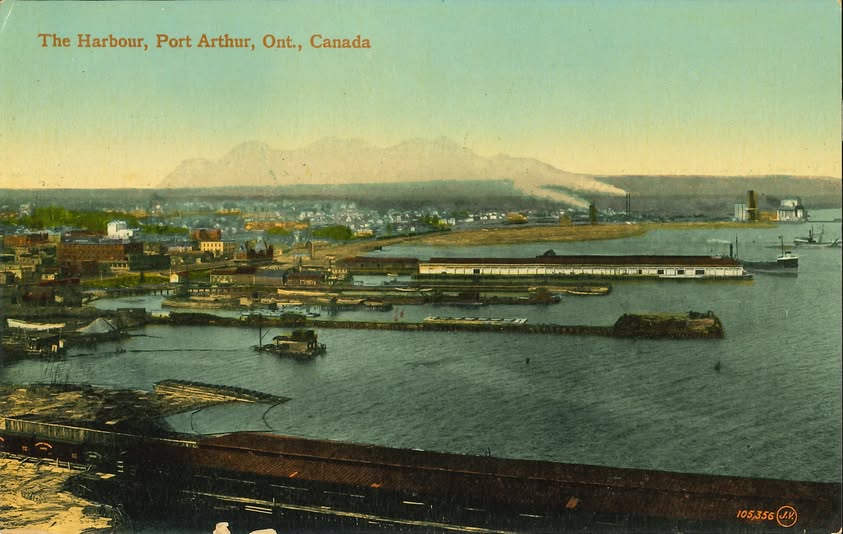
Born in Scotland in 1877, her father was a colonial officer building railroads in India where he took his family including his two daughters, Dorothea and her younger sister. Along with the traditional education given to respectable girls such as music, dancing, poetry and needlepoint the girls were encouraged to be independent and given a practical education including skills that would later come in handy on the frontier including riding, swimming, marksmanship, and carpentry. After her father died Dorothea took on jobs to support the family before immigrating to Canada in search of opportunities in 1904. After working her way across the country she ended up in Port Arthur, Ontario. Located in Northwest Ontario on the shores of Lake Superior, Port Arthur was a rugged frontier town of about 20,000 people with it's economy based on being the shipping terminus for the lumber, mining and fur trade as well as grain from out west. (Note Port Arthur would later be merged with the neighbouring city of Fort William and a few villages to form the current city of Thunder Bay and the two names are both used as interchangeable here).
465291438-880010780910101-7082596126352670266-n

With her savings Mitchell took the unusual step of applying for a plot of land to homestead. This was unusual in that no single woman had ever been granted such a plot but in 1907 she became the first single woman to be granted one, albeit at only half the size of a man's plot.

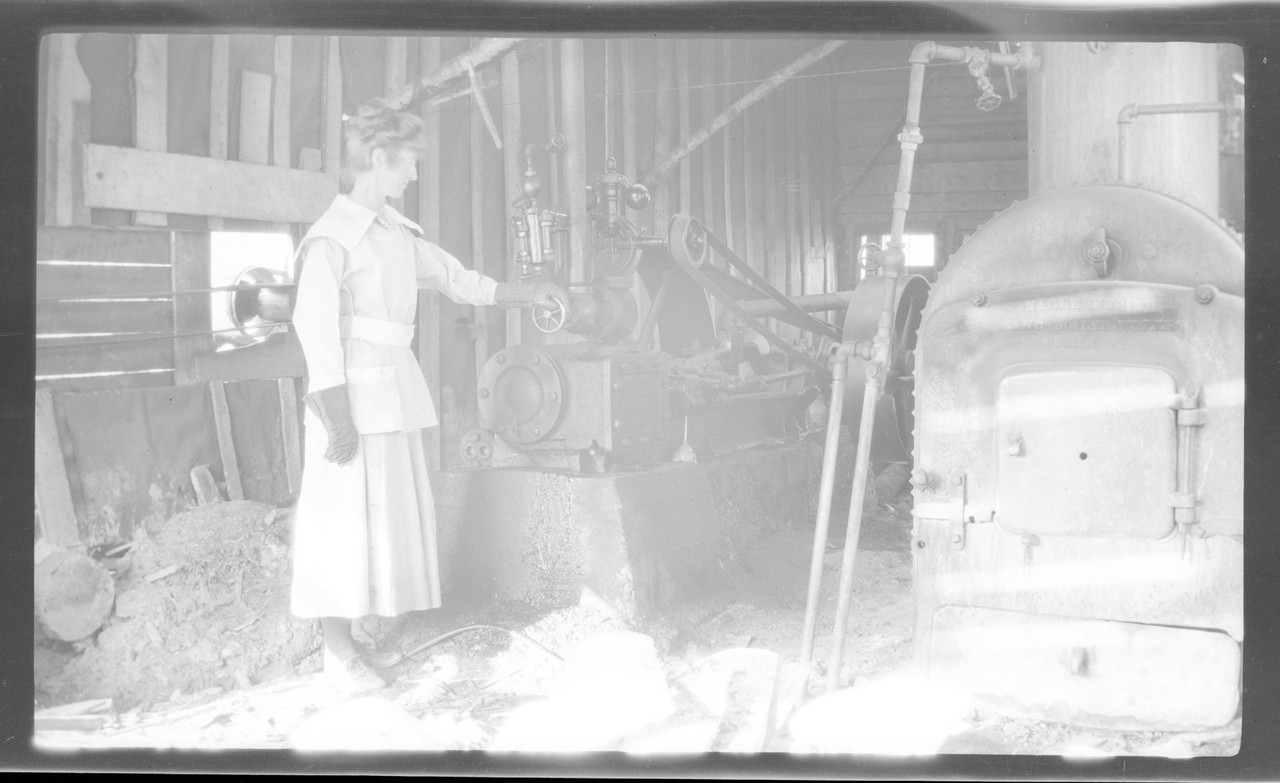
Among other projects she got a job as a train station manager for the CNR, ran a general store and worked as an electoral officer even though women could not yet vote themselves and she invested in the lumber business which led to an incident where one male customer refused to pay her and she successfully sued him. An incident she would later remember as a film plot. By the late twenties she ran her own real estate company as well has having a second job as accountant for Cooper Bakery, the major bakery in town.
WFP2-MIT04-1
DOROTHEA IN HER SAW MILL

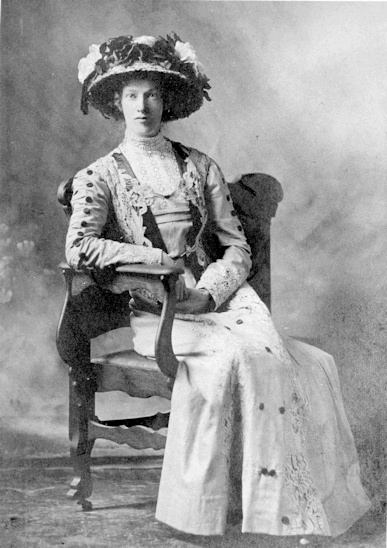
Mitchell was not a beauty but she was a striking figure being tall and thin with flaming red hair and regal bearing and direct manner and she reported receiving at least nine marriage proposals (according to her own account) all of which she would reject. Unlike many frontier women who favoured drab but practical dresses and were even experimenting with wearing men's dungarees Mitchell always insisted on wearing a proper dress and hat at all times.
WFP2-MIT01
DOROTHEA MITCHELL

Besides her various business interests Mitchell never lost her taste for the arts involving herself in the local theatre scene and literary society, writing articles for the local paper and buying a camera and teaching herself to become a professional photographer. In 1929, by then aged 44, she and Fred Cooper, the bakery owner, who was also an aspiring filmmaker who had bought himself a movie camera co-founded the Port Arthur Amateur Cinema Society (PAACS), dedicated to trying their own hands at filmmaking, being the first such group in Canada. By World War One Port Arthur could already ten film theatres. After shooting some newsreels of local events they decided they were ready to tackle making a proper film and instead of starting small by making a few comedy shorts they instead vowed to go all-in and make a proper full length feature film.

However confident Mitchell and Cooper were they recognized the needed a more experienced director but since Port Arthur didn't have any she recruited Major Harold Harcourt, a former soldier who had worked in Hollywood as a set builder and painter and thus had at least some experience working on a film set and knew how to operate a camera, he would also play the male lead. For the cast she raided the local amateur theatrical society, roped in some friends and cast herself in a role. However forceful her personality Mitchell was self-aware enough not to cast herself as the female romantic lead however and instead cast the younger, prettier amateur actress Martha Lake.
WFP2-MIT05

The first problem they encountered was not having a script. After devouring every copy of photoplay magazine she could get her hands on Dorothea confidently decided she could write a script herself that wou ld reflect the Canadian experience and a woman's experience better than any big shot Hollywood writer and set to work using her own history as a lone business woman running a saw mill on the frontier. The result would be Canada's first independent feature film, a light comedy set in the Canadian wilderness called "The Race For Ties".


"THE RACE FOR TIES" (1929);


Directed by Major Harold Harcourt
Script by Dorothea Mitchell
CAST;
Joe Attwood (a homesteader) ~ Harold Saunders
Marion Attwood (his daughter) ~ Martha Lake
Aunt Sarah Attwood ~ (his sister) ~ Dorothea Mitchell
Jack Attwood (his young son) ~ Eddie Cooke
U.Ceetham (a railroad contractor) ~ Duncan Roberts
Bill Whotnot (his assistant) ~ Bill Gibson
Larkin (a lumber camp manager) ~ Maj. Harold Harcourt
Barlow (a neighbouring homesteader) ~ Ed Lindsey
The Goof ~ Wally McComber


Plot Synopsis (Spoiler Alert); Joe Attwood is a homesteader in Northern Ontario who lives in a cabin with his spinster sister Sarah, crippled young son Jack and daughter Marion who is home from college in the big city. He has been having money problems but is in the process of negotiating a deal with his neighbour Barlow to sell timber to the railroad for use as rail ties. Joe heads into the city to ink a deal with U.Cheetum, a railroad contractor who decides to delay Joe so he can go behind his back and cut his own deal with Barlow and sends his assistant Whotnot to race back to Barlow's. Joe overhears their plan but he can't make it back in time because the next train isn't leaving until the next day so he sends his dog Laddie back to Sarah with a note instructing her to get Barlow to sign the deal while Whatnot races off in his car.
Meanwhile back at the cabin his daughter Marion is home from college and bored. She sees limber camp manager Larkin riding by and tries to catch his attention but he ignores her and rides past. Laddie arrives at the cabin with the note from Joe and Sarah sets off on foot to Barlow's to sign the deal but she forgets the contract and finding it Marion sets off on foot to find her. Marion, having spent her life at school in the city is inexperienced in wilderness travel during winter and soon gets lost. Meanwhile Sarah, trekking through the snow on snowshoes cuts through the lumber camp and runs into The Goof, a maintenance man for the camp who is loafing on the job but offers to show her a shortcut to Barlow's cabin Marion is trudging alone down the road when she sees a car coming her way and decides to flag it down by lying at the side of the road and pretending to be unconscious. It turns out the car is being driven by Whotnot who stops and reluctantly offers to let her ride with him to Barlow's but the car soon gets stuck in the snow and they have to set out on foot with Whotnot using skis and Marion using snowshoes which she has never used before and she ends up constantly falling down forcing the annoyed Whotnot to carry her. Eventually they make it to Barlow's. Larkin is also at Barlow's and takes care of the frozen and exhausted Marion while Whotnot convinces Barlow to sign the contract with him. He then returns to town leaving Marion. After getting lost on the tail Sarah arrives at Barlow's to discover she is too late as Barlow has signed the deal with Whotnot so she returns home.
Larkin takes Marion home where he becomes smitten with her. Sarah arrives and informs them that Barlow has signed the contract with Barlow. Larkin examines the contract and goes off to meet Barlow who is having second thoughts about the deal. Larkin informs him that the contract is void as it was signed on a Sunday which is illegal and Larkin suggests he honour his original deal with Attwood and he agrees. Meanwhile Attwood returns home to be told by Sarah of the bad news and all are depressed until Larkin arrives with the new contract. This brightens the mood and Larkin suggests to Marion that they should become involved and she agrees to the joy of all. Finis

~~~~~~~~~~~~~~~~~~~~~~~~~~~~~~~~~~
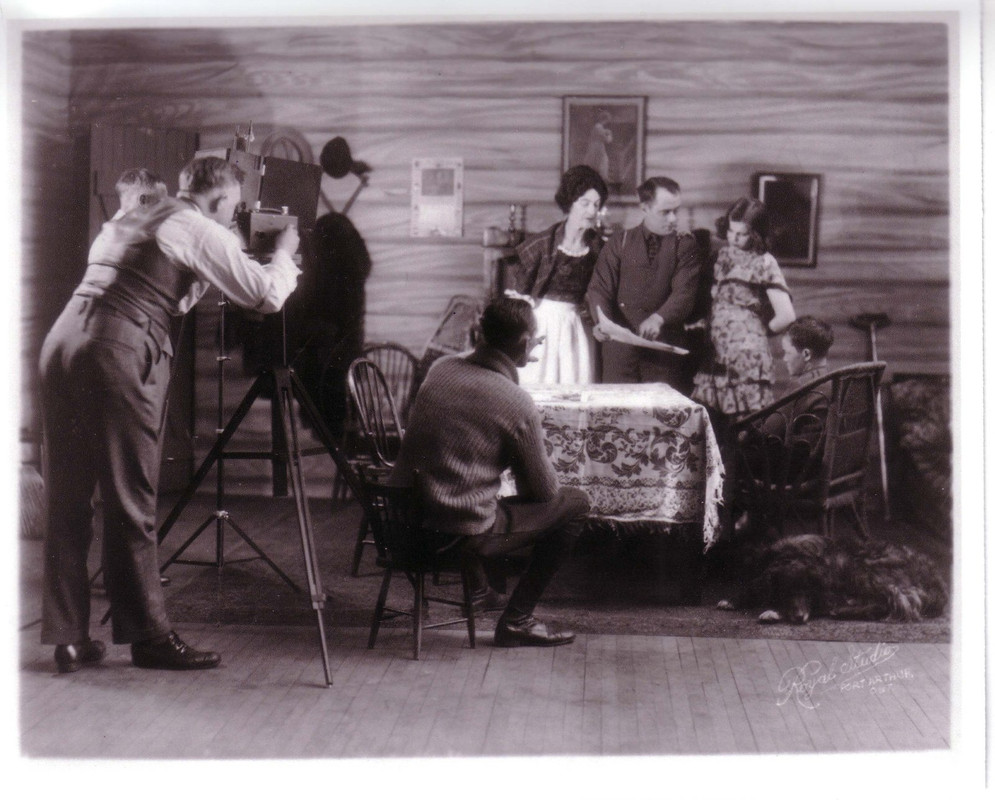
WFP2-MIT06-1
L-R; CAMERAMAN FRED COOPER, DIRECTOR MAJ HAROLD HARCOURT, DOROTHEA MITCHELL, HAROLD SAUNDERS, MARTHA LAKE, EDDIE COOKE

The film's plot is simple enough and it is at least competently made and acted and makes good use of the outdoor scenes which are clearly Canadian in ways a Hollywood production likely would not have been. However the film's small budget shows in the scenes of the interior of the Atwood's cabin which is clearly a painted set. Also noticeable that the child actors and extras can be seen to occasionally glance at either the camera or director. Normally these scenes would have been reshot but since every foot of film had to be paid for it's likely they just decided to let this pass. The direction and editing is efficient and there are even a few good shots especially a closeup of pretty Martha at her window. The actors are serviceable enough with the only real standout being Martha Lake as Marion who is charming and playful enough in her role of a Flapper out of her element that she would not have been out of place in a Hollywood comedy. She is also the most modern looking and surprisingly comfortable on film for an amateur. Actually her character seems rather out of place with the rural setting with her light flapper's dress and stockings and her unfamiliarity with items like snowshoes are not totally plausible unless we assume she has spent much of her life at a boarding school in the big city which would actually be consistant with the character.
What's notable is that while making this film was an ambitious project for the group it is also a very conservative film in it's subject matter and approach. In fact while this film was shot in 1928 it has more in common with the rural films of DW Griffith and Lois Weber from a decade earlier with it's small town feel characters, plucky female protagonists, greedy capitalists, chaste but rushed romance and easy moralizing. The film is also oddly talky for a silent film with rather more intertitles than are really needed which is another Griffith similarity but a little old fashioned for 1929. Also notable that the film's attempts at comedy are clumsy and similarly old fashioned. All this is certainly down to Mitchell as the writer and main creative force. Besides being a prim and proper lady she (and the rest of the crew) were by her own admission reliant on taking their cues from those films that actually made their way to remote Thunder Bay and we can assume that those did not include more artistically ambitious and risque films or the most cutting edge and morally complex films from Europe.
While the film is not really a masterpiece it is solidly done, coherent and watchable and was a popular success locally inspiring Mitchell to expand. The Society invested enough money to open up an office with Mitchell sketching out more films with plans of distributing them further afield. By this point calling the group amateurs was no longer accurate if it ever was. Now showing their films professionally it would be more true to call them an independent studio albeit a small local one.
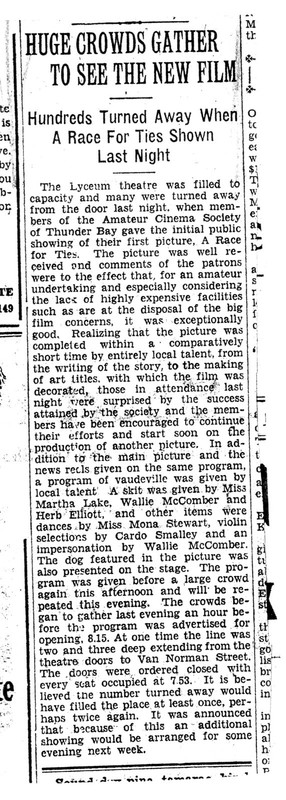
WFP2-MIT07

The next film planned would be another rural romance comedy called "Sleep-Inn Beauty" and would using the same crew and some of the cast from the first film. Once again it was planned as a feature film however disaster struck as one of the reels was reversed in the developing process (they had to send the reels away for this) and had to be discarded leaving them with having to either reshoot it or edit what they had. Given their limited budget they chose to do the latter.

"SLEEP-INN BEAUTY" (1930);


Directed by Maj Harold Harcourt
Written by Dorothea Mitchell
CAST;
O.U Nightmare (resort owner) ~ Frank Toole
Clarence Nightmare (his son) ~ Wall MComber
Daisy (a waitress) ~ Mae Flatt
An Angler ~ Duncan Roberts
Angela (his daughter) ~ Dorothy Crocker
The Justice Of The Peace ~ Chris Dunbar

Plot Synopsis (spoiler alert); Sleep-Inn is a lakeside resort owned by O.U Nightmare, a skinflint, who has an adult son Clarence, a ne'r-do-well who is carrying on an affair with Daisy, a waitress at the resort. Angela and her angler Father are guests at the resort but she is bored and starts flirting with another guest. The Father and Nightmare decide to hold a bathing beauty contest with a $500 prize so Clarence suggests Daisy enter the contest and with the winnings they can elope. On the day of the contest Mr Nightmare is supposed to be judging but he sleeps in so Clarence fills in as judge and of course picks Daisy as the winner. The two then race off to the local Justice of the Peace to be married. Nightmare wakes up and figuring out Clarence's plan sets off in pursuit. Clarence and Daisy arrive at the Justice's cabin and he marries them then they race off as Nightmare arrives too late to intervene. Finis.

~~~~~~~~~~~~~~~~~~~~~~~~~~~~~~~~~~~~~~

Given that we know that probably a third of this film has been lost it's not surprising that it comes off as skimpy and ends abruptly. We don't know what is missing or what the full film would have looked like but it does appear that there are a few other characters who get introduced and then forgotten about, particularly the Angler and his daughter Angela and her budding romance. However even if we had the entire film it doesn't appear that the script has the focus of "Race For Ties" nor are the characters as fleshed out and interesting. It's even possible that the eloping couple Clarence and Daisy were not originally meant to be the main characters but merely ended up that way when others were lost in missing reels and ended on the cutting room floor. In fact Wally McComber was the only actor used by Mitchell in all her films and was normally used for comic relief and certainly not a romantic lead. Mitchell does seem to have had a fondness for McComber's mugging but he's an acquired taste and here with his toothbrush mustache and cowlick bangs he bears an unfortunate but inescapable resemblance to Adolph Hitler which is distinctly distracting,.
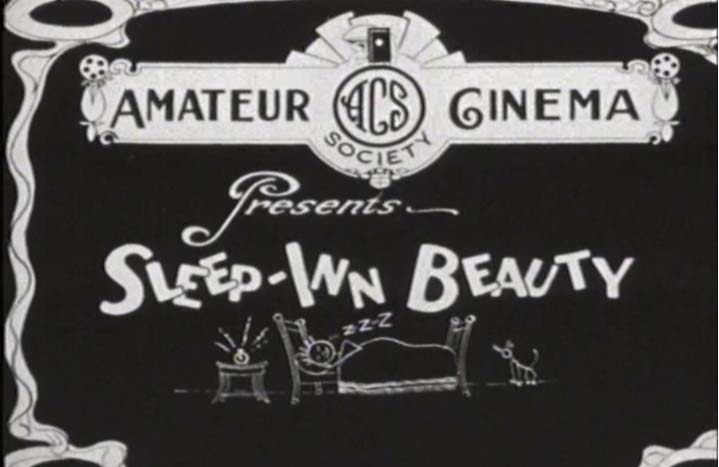
WFP2-MIT08jpg

Clearly Mitchell just wasn't as invested in this story or characters as she had been with those in "Race For Ties:" which were based on her own experiences. This film is instead a light comedy rom-com and as with the humour in "Race For Ties" it's old fashioned and clumsy. Perhaps the lost footage would have fleshed out the story and wrapped it up in a more satisfying manner but while with some careful editing Mitchell may have salvaged a somewhat workable film but the results of the existing film is forgettable.

One reason Mitchell might have had for rushing this film into production without reshooting the lost reel (besides being short of cash) was that she was already planning a more ambitious film, this time instead of another chaste comedy she would attempt a crime film, "The Fatal Flower". This film would end up having even more problems than "Sleep-Inn Beauty" as the film society went bankrupt and closed it's doors with the film unfinished.
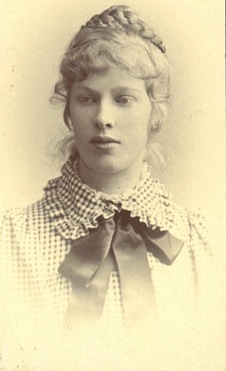
WFP2-MIT03-featured-image
DOROTHEA MITCHELL

As all fans of silent films know there are literally thousands of silent films which are lost forever and one would normally assume that an unfinished from from an obscure Canadian independent filmmaker in remote Thunder Bay would be hopelessly lost but luckily Mitchell took care to preserve the surviving footage and eventually sent it to the National Archives where it sat forgotten until 2004 when local filmmaker Kelly Saxberg and film historian Michel Beaulieu got the digitized uncut footage and edited it into a finished feature. Other than some vague plot notes and references in her memoirs Mitchell did not leave behind a proper script or intertitle cards so they figured out a proper running order and came up with a script that most closely approximates what the finished film likely would have looked like.

"THE FATAL FLOWER" (1930);


Directed by Maj Harold Harcourt
Written by Dorothea Mitchell
CAST;
Dolly Dearborn ~ Margaret Arthur
Jack Madison ~ Harold Gross
The Hobo~ Wally McComber
Rest of cast unclear

Plot Synopsis (spoiler alert); Dolly is a young woman who lives in Port Arthur with her father who is also the Police Chief and Jack Madison is her new boyfriend. Jack is older and apparently wealthy but her Father disapproves of him and would prefer she dated his Head Constable Plod. The police are concerned about a rash of bank robberies in the area. Jack takes Dolly for a day trip in his new car where they play golf and on the way back they almost run down a Hobo. The Hobo recognizes Jack from running into him at a bar and overhearing him plotting some possibly illicit activities with some confederates and he reports this to the police Chief who takes no immediate action but asks the Hobo to keep an eye out for more info. That evening Plod comes to tea at the Chief's house where they discuss the bank robberies. Plod wants to impress Dolly but she becomes bored with police talk and leaves for another day date with Jack. They take a ride in his car to go canoeing on a local lake where he professes his love for her and she gives him a daisy for his lapel. Jack drives Dolly home where the Hobo spots them and reports back to the Chief who has decided to stake out the local bank. That night a masked robber breaks in and while he is attempting to crack the safe he is surprised by the Chief and in the resulting struggle the Chief is shot dead. Plod finds him and swears revenge. Dolly is at home when she is told of her fathers death. Plod visits and promises to catch the killer.
Days later Dolly gets a call from Jack who has been out of town on business, he tells her he had to sell his car and she invites him over to tea. Before he arrives Plod comes calling to report progress in the the case and he tells her he had found a flower clutched in her father's hand. Dolly recognizes it as the daisy she gave jack and he must be the robber. Plod suggests letting the meeting with Jack go ahead and having her confront Jack and getting him to confess while Plod hides where he can overhear. Jack visits and while serving him tea Dolly confronts him with the flower. Jack pulls a gun but she reassures him that she still loves him and won't turn him in. He confesses but threatens to shoot Dolly but Plod shoots him first wounding him while Dolly faints. Jack is swiftly arrested and taken away while Plod tends to the unconscious Dolly. When he pledges his love she awakens and they embrace. Finis.

~~~~~~~~~~~~~~~~~~~~~~~~~~~~~~~~~~~~~~~~~~~~

Some footage from this film is either missing or was never shot before it was shelved. At just over forty minutes long there could be as much as a reel missing although this time it doesn't really matter as ironically this film is actually tight and coherent as it is. Perhaps the missing footage would have added some exposition to the characters but we don't really need it. Whether this is down to Mitchell's original script or the job of assembling and editing done for the 2004 restoration is an interesting open question but it doesn't really matter to the viewer. The story flows efficiently and logically and the characters act consistently. The intertitles were added by the restoration and they trade Mitchell's occasional corny dad jokes for a couple of sly inside regional jokes at the expense of Fort William and Nipegon which were probably hilarious to those from Thunder Bay at least and which Mitchell herself probably would have enjoyed. As for the film itself even the strong willed Mitchell should have been happy with the belatedly finished film which finally got it's big screen premier in North Bay in 2004 followed by a short TV doc which introduced her work and legacy as a Canadian film pioneer.
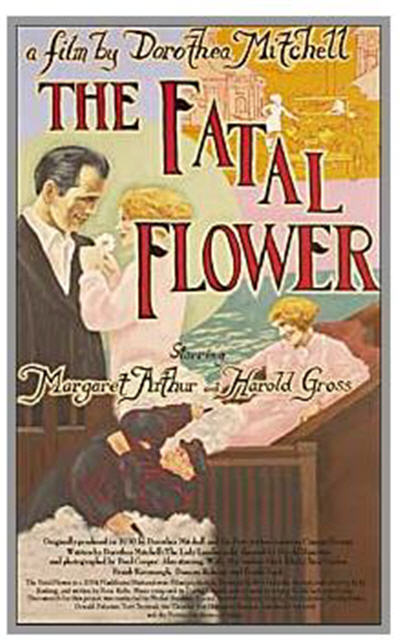
Fatal-Flower-Poster

As for the direction Maj Harcourt, in spite of being a WW1 veteran, has no feel for directing an action scene and the fight scene at the bank and final gunplay are perfunctory however there is a shot at the end with a suspicious Jack peering into the darkened parlour with the light behind him that was well done. As usual the acting is serviceable enough with Margaret Arthur as Dolly having some of the Flapper charm of Martha Lake from the first film and also as usual her leading men are noticeably older than her. Unlike "Race For Ties" there is nothing particularly Canadian about this film however other than a shot of Port Arthur itself it could have been made pretty much anywhere in North America. Once again for a film shot at the very end of the silent era this film feels like it could have been made a decade earlier.
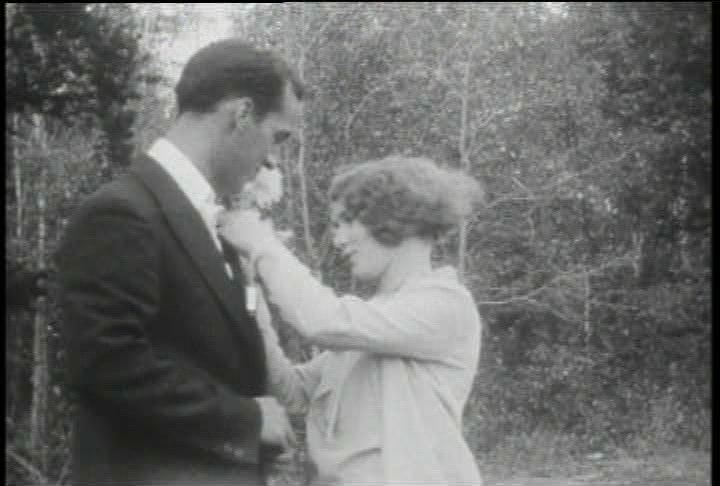
WFP2-MIT09
HAROLD GROSS & MARGARET ARTHUR

Before this film could even be finished Dorothea Mitchell's abortive film career was already over. By 1931 the Film Society was deep in debt, the Great Depression was underway, any plans for larger distribution hadn't panned out and weren't likely to as silent films were already on the way out meaning they would have to make significant investments to buy new sound gear and learn how to use it so the ever practical Dorothea decided to close it's doors and dissolve the Society. As one would expect she didn't dwell on her failure and focused on her own real estate and accounting firms and did a lot of charity work for the Port Arthur Hospital and the Anglian Church. She would bring both her mother and younger sister over from Scotland and outlive both. She would never marry. During WW2 at the age 63 she enlisted in the Red Cross and after the war she retired to Victoria, British Columbia. Naturally even in retirement she kept busy with more charity work, joined Canadian Authors Association as secretary and the Victoria Amateur Movie Club where she made no films but she did make sure to donate her surviving film reels to the National Archives. She finally got around to writing her memoirs "Lady Lumberjack" in 1968 dying in 1976 at the age of 99.
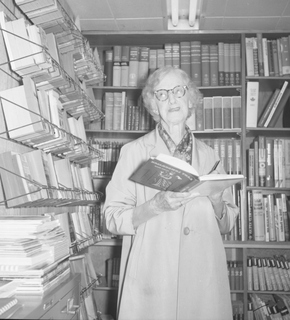
44152005-10155941991194103-8658691185843372032-n
DOROTHEA IN RETIREMENT

Dorothea Mitchell's film legacy is odd. She made only three films of which only one, "Race For Ties" was actually fully completed, and none of which got a general release. Her films were not masterpieces, they were modest, low-budget films that were not flashy or creatively ambitious and quickly forgotten. And yet she was the first independent Canadian filmmaker in Canada and one of the first indie women filmmakers anywhere, and her ability to make a proper film completely outside the film industry showed others it could be done. Her first film, along with those of Nell Shipman, presented a perspective of the Canadian frontier experience (albeit limited to an entirely white middleclass perspective) and did it from a woman's perspective in ways no American filmmaker would have done. A modern critic might point out that for films made in Northern Ontario there are no native characters at all. Possibly she was hoping to be able to distribute the films to a larger audience so kept the focus on white characters, possibly if she had made more films she would have included them, possibly she just never thought about them, unlike many films of the time at least there aren't any racist tropes to consider either.

When she died in 1976 she was known to few aside from her small circle in Victoria and a few old timers in Thunder Bay until her work was rediscovered in 2004. But she would probably not be surprised by this. She was quite proud of her role as a pioneer of both Canadian and women filmmakers, she had taken care to preserve that legacy as well as writing her memoirs and was no doubt expecting she would eventually get her due. After all, she had always gotten her way.
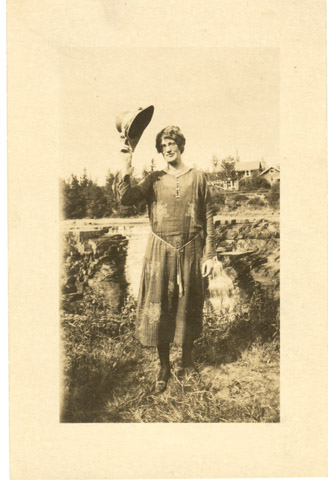
WFP2-MIT02

Saturday, 9 March 2024

Ebony Pictures & The Mystery Of The Black Sherlock Holmes


Ebony-Comedies-07

Over the past decade or so there has been an increased interest in the beginnings of Black Cinema in America with note being taken by the works of Oscar Micheau in particular (who I had previously written about here). However even as  Micheaux's serious, somber and ambitious films were aiming to "uplift the race" there were others who sought to simply provide entertainment producing lowbrow slapstick and low budget adventure films to match those in the larger world of white cinema and Vaudeville.

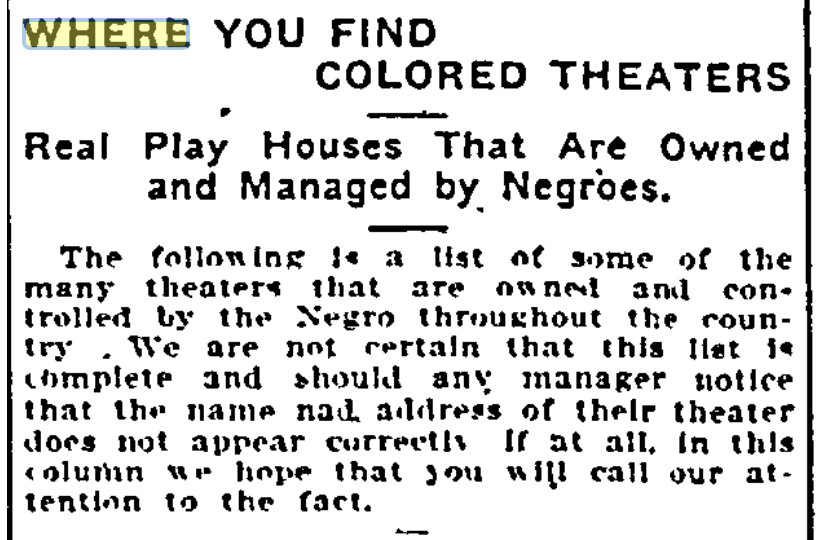
Vaudeville had in fact taken some of its tropes and traditions from the earlier genre of Minstrel Shows which had swept the country in the mid-nineteenth century and provided the first example of mass entertainment in America. The history of Minstrelsy is too long and convoluted to detail here but it began as an authentically black form of comedy, music and dance which by the mid-century had developed a star system of touring acts both black and white. By about the 1880's the large and rather formalized travelling Minstrel shows had in effect been broken down into smaller parts that would make their way into smaller and cheaper white owned Medicine Shows in rural areas and Vaudeville in the cities. A network of Vaudeville theatre chains would stretch across the US and Canada much as later movie theatre chains would do and while these theatres would provide opportunities for black entertainers they would also have to put up with the insults and indignities of the Jim Crow era and by the 1890's a parallel network of black owned theatres had sprung up  across the country.

Screen-Shot-2021-11-22-at-11-29-50-PM

Inevitably once movie theatres largely replaced Vaudeville this model would eventually be recreated with chains of black owned movie houses. These theatres, usually small, existed in black neighbourhoods in big cities like New York and Chicago to smaller towns into the South along with travelling tent shows in more rural areas that could set up a screen and projector. Besides these black owned enterprises in some cities white owned theatres in black neighbourhoods would set aside a day of the week to program movies with black stars or all-black casts for what were called Midnight Rambles. Naturally the existence of such networks required a regular stream of such movies which would be filled by a variety of movies of various genres ranging from the serious minded social melodramas of Oscar Micheaux to more lowbrow fare including musicals (including by Louis Jordan who I wrote about here), comedies, film noirs, romances, even westerns (including those of Herb Jeffries (which I also wrote about here) and at least one monster movie in "Son Of Ingagi" (written about here). Most if not all of these films were made quickly on a low budget, were largely unknown to the larger white audiences and have until recently been largely ignored by film histories with many being presumed lost.              

Some of these all-black movies were indeed produced and directed by black filmmakers the first of which was the Lincoln Motion Picture Company which ran from 1916 to 1923 making only five films from which remains only one feature and fragments of a second. Other films were actually produced by the same white owned Poverty Row studios who spotted an opportunity to churned out low-budget westerns and comedies albeit under different studio names. One of the first and most controversial of these studios was Ebony Films which operated of of Chicago in the 1910's. While the Lincoln Company's films were of a similar serious and ambitious nature as those of Micheaux, those of Ebony Films were another matter.

Ebony-Comedies-06

Ebony Films was in fact a white owned company which started out as Historical Features Films based in Chicago in around 1915. The name suggests that either they had ambitions to be making feature length epics or more likely that they wanted to create the illusion that they were and they do seem to have made some educational films. In the event the bulk of their films (most which do not survive) appear to be limited to comedies and a few rumored westerns. Given that they shot their films in Chicago one can assume their "westerns" were shoddy low budget affairs although in the 1910's when most films,including westerns, were still shot in New York and New Jersey (including "The Great Train Robbery" and the many shorts of Bronco Billy) this was not unusual. The studio's bread and butter however were its one reel comedies which by all accounts were of the lowest common denominator type of slapstick and full of "ethnic" humour which they openly marketed as such. By "ethnic" we of course mean "racist" with crude and insulting stereotypical tropes ridiculing various groups including Blacks, Asians, Jews, Mexicans, Irish, Italians and Native People among others long being popular fare in film and Vaudeville. However by the 1910's some of these tropes were becoming less fashionable with members of these groups begining to make their displeasure known. The 1915 release of DW Griffith's uber-race baiting "Birth Of A Nation" led to such a backlash from the Black Press and a organized campaign, probably the first of it's kind, to address not only protest the treatment of and portrayal of Blacks in show business but more importantly the creation of an alternative that would be owned and staffed by Black filmmakers and directed at Black audiences and t's not a coincidence that both Oscar Micheaux and Lincoln Motion Pictures began the following year.

"TWO KNIGHTS OF VAUDEVILLE" (1915);


The plot of this film, such as it is, is simple even by the standards of the slapstick genre. Two guys stumble onto tickets to a vaudeville show which have been dropped by a wealthy white man and they invite a lady friend to join them. At the show after a couple of (white) acrobatic and juggling acts the two men become so disruptive they are kicked out. They then decide it will be easy to put on their own show so they set up a theatre (in what appears to be an empty warehouse) and put on a show for an all black paying audience. However they are so inept that the audience heckles and pelts them with trash ultimately rioting and destroying the theatre.

This is slapstick film with performances of the two main characters (played by the obscure Jimmy Marshall and Frank Montgomery) being clownish buffoons behaving as naughty and rambunctious children, unsophisticated and dim with the ill-fitting clothes they wear being either oversized or too small. Defenders of the film may point out that such broad clownish characters were common in slapstick films of the 1910's including those of Mack Sennett, Charlie Chaplin, Fatty Arbuckle, Ben Turpin and Larry Semon and this is true. In fact some of these white characters are actually more clownish than those in this film. However these white characters are presented as exaggerated trickster characters living among the otherwise normal world of straight society and reacting to it in over-the-top ways. In this film the other Black characters (represented by the audience who riot at the end) are also childish and immature whereas the white characters are either authority figures (represented by the wealthy man, a theatre usher and a cop) or the vaudeville performers who may be slightly clownish but are clearly doing so in the context of performing on stage. The white theatre itself is also shown as an imposing building with columns and box seats compared to the warehouse the Black show is held at with plank benches and improvised curtain. The Black characters are in fact following the traditional tropes of the Black Face minstrel shows, with Blacks as clownish, childish, silly, unsophisticated and prone to violence. The one exception is the role of the Lady Friend of the two main characters. She dresses smartly and fashionably, attempts to restrain the others, does not get thrown out of the vaudeville theatre and in effect acts as both the straight man and mother figure. It may or may not be a coincidence that she is also notably lighter skinned than the other characters. The Black audience at the second show is also dressed respectably enough although they are quickly unruly.

unnamed

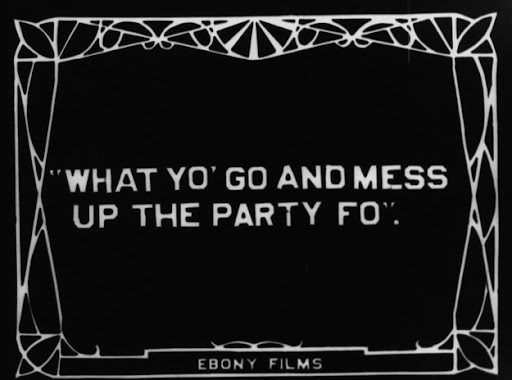
However what really gives the film's attitude towards Blacks which any Black viewer was bound to notice is the use of exaggerated and outdated Minstrel show speech for the characters who say things like; "What yo' go and mess up the party fo" and "Jest all time messin' up something. Nevah again". It's not just the two main clownish characters who talk this way as the signs put up announcing their performance are even worse with signs saying; "Vodevil 5 Sense", "Too famuz akters prezented on a big stage. Hear to day" and the performers billed as "Akrobats". Some of the letters are also transposed backwards as if written by a child. The obvious inference being that they are semi-literate and the all-black audience seems to accept this. The real life Black film audiences would not.  

By the 1910's some of the use of racial and ethnic tropes were becoming less fashionable with members of these groups organizing to protest such treatment and even some white middle-class audiences becoming uncomfortable with such overtly demeaning subject matter. The 1915 release of DW Griffith's pro-KKK "Birth Of A Nation" led to such a backlash from the Black Press and a organized campaign, probably the first of its kind, to not only protest the treatment of and portrayal of Blacks in show business but more importantly call for the creation of an alternative that would be owned and staffed by Black filmmakers and directed at Black audiences and it's not a coincidence that both Oscar Micheaux and Lincoln Motion Pictures began the following year.

Meanwhile the white owners of Historical Films were facing a dilemma; their comedies were fairly successful enough with white audiences but were condemned in the Black Press as demeaning in ways they were no longer prepared to meekly accept. Faced with the choice of continuing to make their lowbrow films which while fairly profitable were embarrassing and had limited appeal or they could make some attempt to clean up their act. Somewhat surprisingly they not only opted for the latter option but they went all in on a complete makeover to appeal to Black audiences. Starting in 1915 they changed the name to Ebony Studios and hired an all (or at least mostly) Black creative staff and all-black theatre troupe and tried to appeal to both black and white audiences. For the next two years Ebony Films would make two dozen films, a respectable number, most of which appear to be comedy shorts, some of which parody white films including "Birth Of A Nation", westerns, adventure and spy films (including a Sherlock Holmes parody) and even monster movies. Until recently the output and quality of these films was mostly a mystery and none appeared to survive aside from some promotional material but over the past decade a collection of several of them have surfaced and can now be seen albeit in somewhat distressed or incomplete condition.

luther-pollard-1918
LUTHER POLLARD

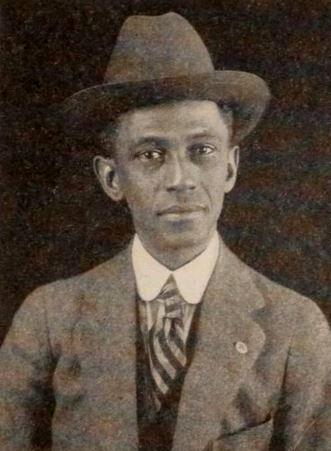
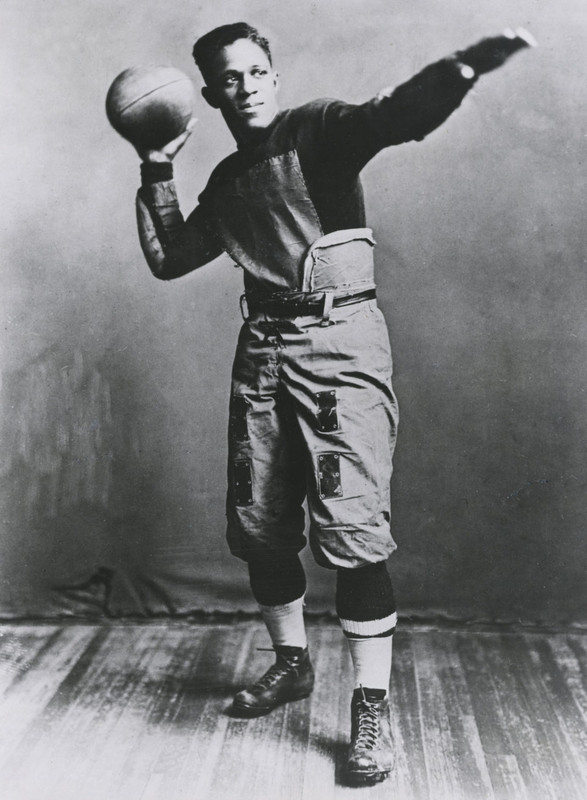
While the owners of Ebony Films may have been of limited talents the black directors and actors they hired were not. Chief amongst these were the Pollard Brothers, Luther and Fritz. Chicago native Luther, a writer and sometime director and was appointed President and General Manager and set to work bringing in his younger brother Fredrick Douglas (AKA Fritz) Pollard a charismatic figure who like the later Paul Robeson was an actor, writer and star football player who would also serve as a talent scout and casting director. It was presumably Fritz who hired George Lewis, an actor and director who already had his own theatre troupe in the George Lewis Players who would make up much of Ebony Pictures regulars in all of their subsequent films.

fritz-1916
FRITZ POLLARD

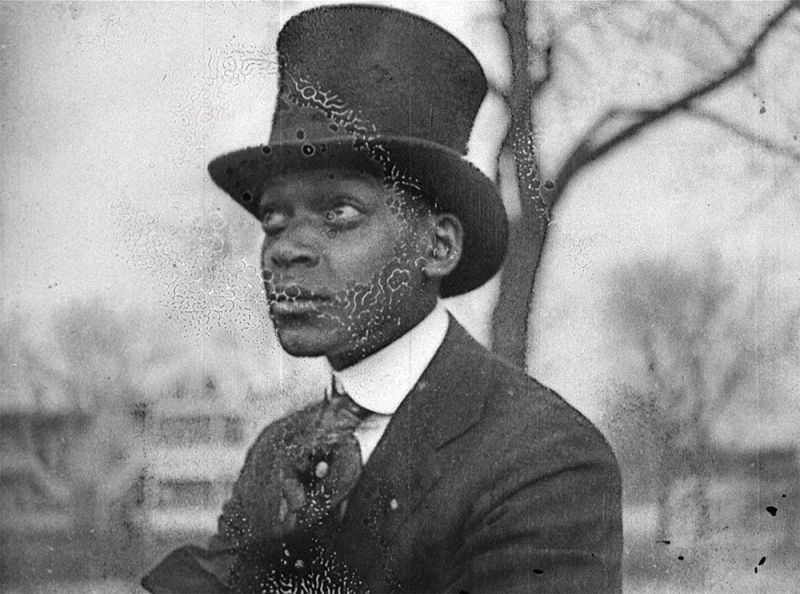
Among the players were leading man Sam Robinson, Rudolph Tatum, a sidekick, Sam Jacks, a tall straight man foil and pretty young leading lady Evon Junior (also billed as Yvonne). George Lewis himself would appear in supporting roles usually as a dignified authority figure foil as would the Pollard Brothers on occasion. Given that the troupe was named after Lewis it's likely Lewis played some sort of role behind the camera as well. He also appears older than Robinson, Tatum or Junior. From 1917 the cast of all of Ebony Pictures films seem to have come from the George Lewis Players. One notable difference in the later Ebony films of the era under the direction of the Pollard Brothers and George Lewis (at least those that survive and what can be gleaned from the others) from the earlier films is that not only are the casts are entirely or mostly black but they would exist in a world where Blacks would not simply be Minstrel Show stereotypes but also respectable middle-class figures. The clownish characters would remain as these were accepted slapstick tropes but they would exist in a larger world of respectable Black bourgeois society that would include Black professors, lawyers, doctors and businessmen as well as policemen and few white characters would be shown at all and if so only incidentally if needed by the story.

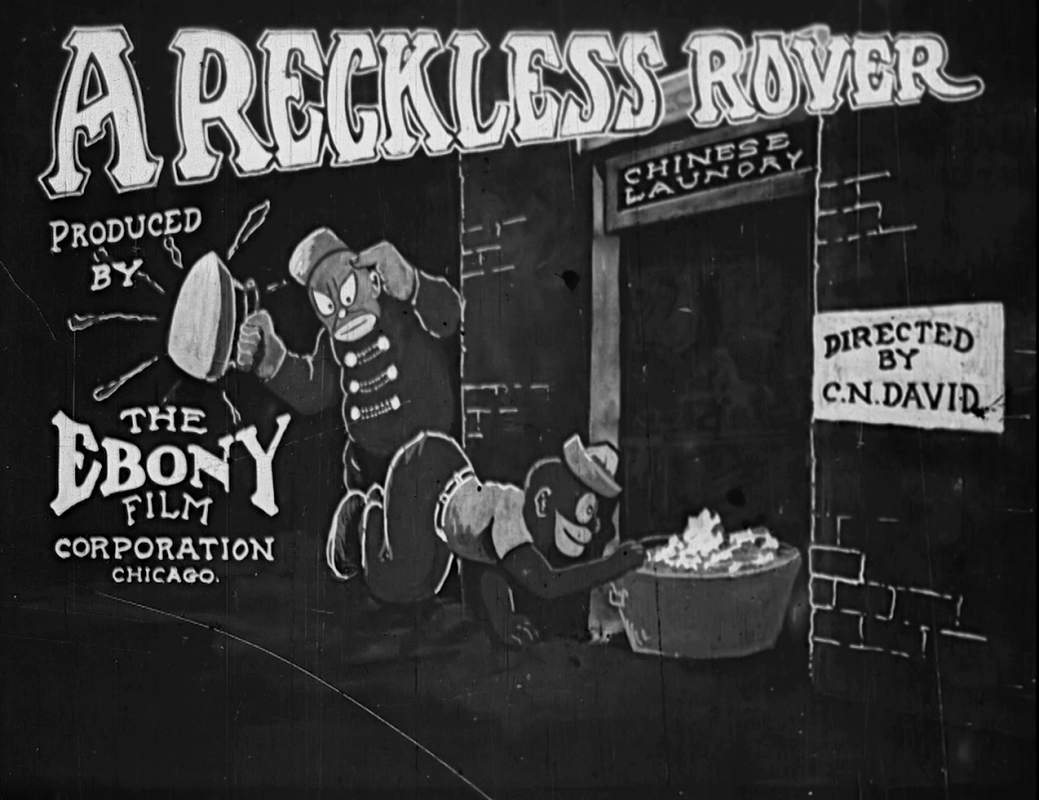
"THE RECKLESS ROVER" (1918)


Sam Robinson is a layabout named Rastus who is behind on his rent. His landlady gets a cop to throw him out of his room and after a chase he takes shelter in a Chinese laundry where the owner gives him a job. However due to Sam's incompetence and irresponsibility he soon causes chaos. Rummaging around the shop he stumbles on to an opium pipe and proceeds to get stoned. His over enthusiastic flirting with a young woman (Evon Junior) leads her to call for a policeman who of course turns out to be the one who chased Sam earlier and he again has to flee. Finis.

reckless-rover-tittle-card-2

Here we see what would become the basic standard for Ebony films; broad slapstick humour and energy with Robinson playing a roguish bumbling oaf who gets himself in trouble. His character can be seen as perpetuating some racial stereotypes from Minstrelsy but is mostly within the bounds of a Mack Sennett slapstick film of the era. However the intertitle cards do use images obviously taken from the most racist Minstrelsy tropes as is the character name Rastus and it's not hard to see why Black audiences were outraged even if the cast is all Black. Besides Minstrelsy the film also includes a stereotypical Chinese coolie (complete with opium pipe). Trivia note; As in an early example of an Easter Egg as Rastus runs away we can see a poster for the DW Grifith movie "Hearts Of The World", but at least it's not "Birth Of A Nation". If Ebony was hoping to broaden their appeal this film can hardly be considered a good omen.  

"THE COMEBACK OF BARNACLE BILL" (1918);


This is a rural based comedy in which Sam Robinson plays a bumbling farm hand with a crush on farm girl Evon Junior who is the daughter of owner Sam Jacks. After Junior rejects him Sam decides to go off into the woods and shoot himself but instead stumbles on to a couple of thieves who are in the process of hiding some ill-gotten money. He accidentally fires his gun and scares them off, discovers the money and takes it back to the farm where he hides it. Meanwhile Junior has a young suitor, Hector, visiting from the city and the family head off to pick him up at the train station in a horse buggy during which Sam tries to foil his bumbling. Arriving at the farm Hector tries to impress with his golf skill which more of Sam's bumbling interferes with causing more chaos. Meanwhile a lawyer (George Lewis) arrives to foreclose on the farm for its unpaid mortgage. Hector attempts to raise the money to pay off the debt but is informed by telegram he does not have the money (here the print is too damaged to actually read it) so Sam runs off and eventually finds the robber's money he stashed and pays off the debt. Suddenly here the film runs out so we don't know how it ended.  

800px-1918-a-black-sherlock-holmes-chauffeur-disguised

Like all the other surviving films of the later period of Ebony Pictures this film is in a distressed and fragmentary state suffering from significant water damage which makes parts of it impossible to make out (including two important letters the contents of which we must speculate) and the ending is also missing. The title make no apparent sense as the original Barnacle Bill was a character taken from a 19th century drinking song and was supposed to be a sailor, unless that is somehow explained by the missing footage although it's hard to see how. We can however see that this film is an improvement over the earlier film in that while the character played by Sam Robinson is an oaf he is within the bounds of white slapstick clowns as are the other more straight characters. The lawyer coming to enforce the foreclosure is also black and not a figure of mockery. The film does not rely on tropes left over from Minstrelsy and there is no use of the demeaning semi-literate dialogue. The George Lewis players appear to provide the cast for all subsequent Ebony Pictures and it's notable that the main two actors from the 1915 vaudeville film do not make an appearance again although it's possible the female character from that film is Evon Junior from this and subsequent films.

Yvonne-Junior-Jul-1918-EH
EVON JUNIOR

This film is a slight improvement over the previous film and less demeaning. The performances are slightly less broad but still fall within the slapstick genre. The plot is rambling and unfocused but at least it does have a plot. However while this film is better it was still subject to criticism in the Black press who wanted more serious and thoughtful portrayals of Black characters of the sort that Lincoln Pictures and Oscar Micheux were now making while Ebony Pictures were still focused on low-brow comedies. This would continue even while leaving behind the rural setting of this film for the big city that was more familiar to the Black audiences Ebony was aiming for.

"MERCY THE MUMMY MUMBLED" (1918);


Sam Robinson plays a hustler who comes up with a scheme to sell a fake mummy to a Professor (George Lewis) and buys a prop mummy case from a stage costumer and pays a sidekick (Tatum) to be wrapped up and pretend to be the mummy. He contacts an agent who examines the mummy and falls for the ruse buying it for $1000 after getting into a fight over the money. Meanwhile two agents for the Egyptian government are searching for lost mummies taken by American missionaries. Two delivery men are hired to transport the money by horse drawn wagon. While doing so the coffin with Tatum still inside falls off the wagon and is dragged through the streets. As the lid comes off Tatum scrambles to try to escape but the wagon drivers hit him on the head knocking him out, force him back into the coffin band continue to the professor's lab where he takes possession. Meanwhile the two Egyptian agents have tracked the delivery and show up at the lab to demand the return of the mummy but the professor throws them out. At this point the film halts with the ending being lost. Presumably they return and some sort of melee ensues with the "Mummy" coming back to life and emerging from his coffin, terrifying everybody into fleeing or causing a chase.

This film print is in better condition but it's also more truncated with more missing footage,inlcuding the ending which can only be guessed at. The story, what survives, is more coherent with more openings for slapstick hijinks. The plot is silly and outlandish but shows some imagination and could easily be the basis for a white Three Stooges short of later years. As in the previous film there is a scene involving an object containing a character being dragged behind a wagon at some speed which would have involved some skilled camerawork. Moving the story from a rural setting means the secondary characters are less country bumpkinish. The film's title had led some horror film historians to wonder if this film (long considered lost) might have been an early Mummy movie but we have enough to see that it clearly is not.

800px-1918-a-black-sherlock-holmes-sneeze
GEORGE LEWIS

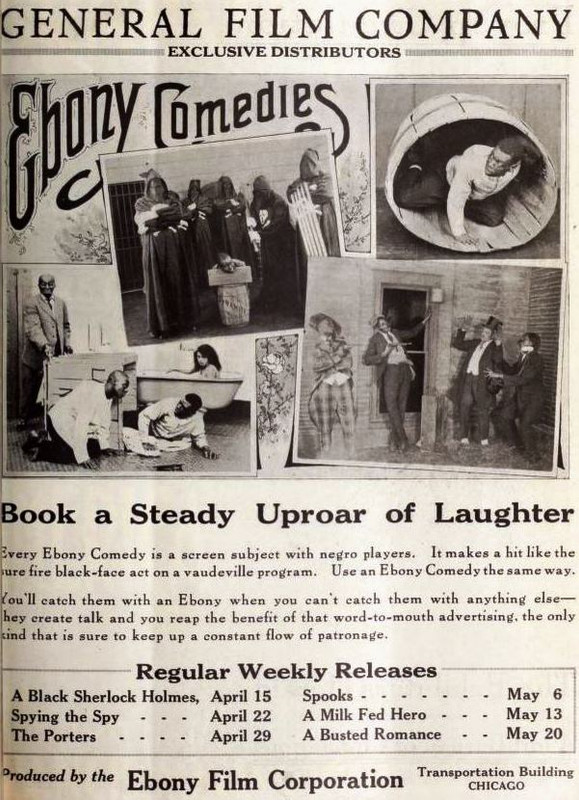
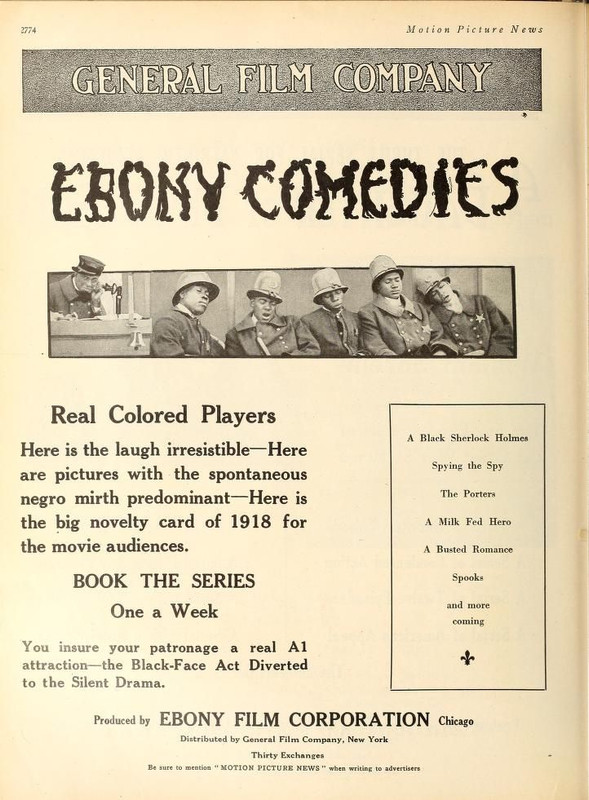
While the white owners of Ebony were willing to hire black artists and even put them into positions of production it's clear that whoever was in front or even behind the camera those in the office and marketing dept were clearly white and still aiming at a mostly white audience as one of their promotional packages sent out to theatre owners helpfully explains;

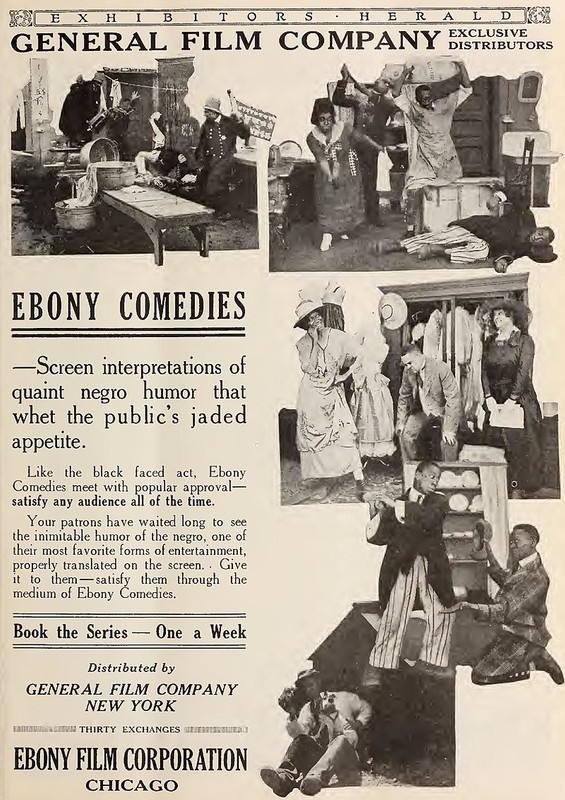
"Ebony Pictures are something different. Actors are Negros, just plain folks. If you know anything about THESE PEOPLE (emphasis mine) you must admit they are funny. Funniest people in the world. Bring a laugh when no others can. THEY (emphasis mine) are natural comedians, full of innate humor and pantomime which enables them to portray comedy as no one can. What colored Vaudeville acts mean as attractions to Vaudeville managers, Ebony Pictures will mean as attractions to the motion picture exhibits."

Obviously this was written by a white PR flack and aimed at white theatre owners appealing to white audiences as the use of terms like "these people" make clear. In spite of their, probably somewhat sincere attempts to broaden their appeal to black audiences they are also promising nothing more than cheap laughs with no suggestion of anything more. Another promo sheet enthuses;

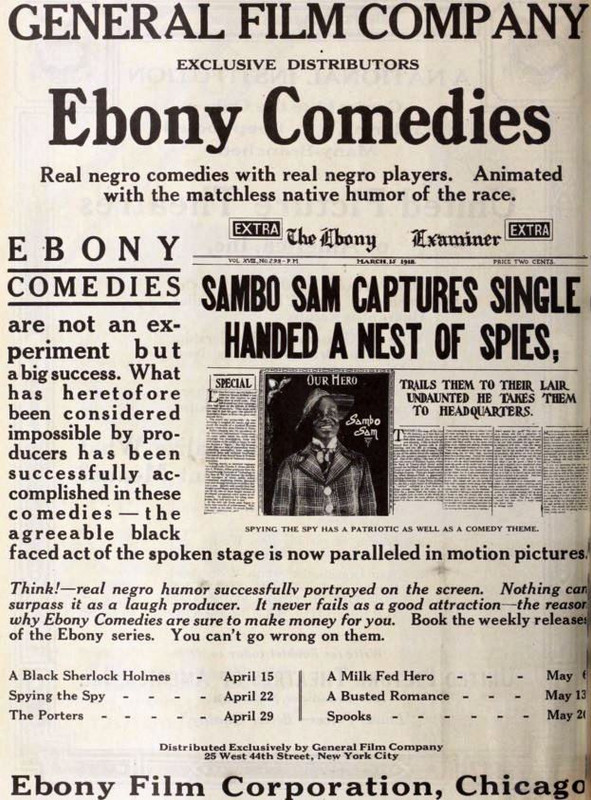
"Ebony Comedies are not an experiment but a big success. What has heretofore been considered impossible by producers has been successfully accomplished in these comedies; The agreeable Black Faced act of the spoken stage is now paralleled in motion pictures."

Adding; "Think! Real Negro humor successfully portrayed on the screen." With another ad specifically chiming in "Unsurpassed as attractions for children".

800px-_Ebony_Comedies___Ebony_Film_Corporation__CHICAGO___negro_humor__ad_detail,_from-_Exhibitorshe

Not all the promo sheets are this patronizing but the obvious target for them was clearly white theatre owners who are assured that these films are acceptable to white audiences with some (but not all) specifically using the term "Black Face" which was obviously aimed at white audiences. The only concession to Black sensibilities was the use of the term "Negro" which was then favoured by the Black Press and intellectuals instead of terms like "colored" (which also shows up) or the more insulting terms left over from Minstrelsy like "darkies". However in the same paragraph the unknown but almost certainly white writer switches back to using the term "colored". The Black press was not fooled with theatre and film editor Tony Langston of the black owned Chicago Defender urging theatre owners not to book the films saying they caused "respectable ladies and gentlemen to blush with shame and humiliation".

New Gerneral Manager Luther Pollard tried to push back on the image of Ebony Pictures being simply a ron t-for it's white owners writing in one to George P. Johnson of the black owned Lincoln Motion Picture Company, Pollard wrote that his comedies “proved to the public that colored players can put over good comedy without any of that crap shooting, chicken stealing, razor display, water melon eating stuff that the colored people generally have been a little disgusted in seeing. You do not find that stuff in Ebony comedies.” But his attempts, while by all accounts sincere, were constantly being undermined by the marketting tactics of his white employers.

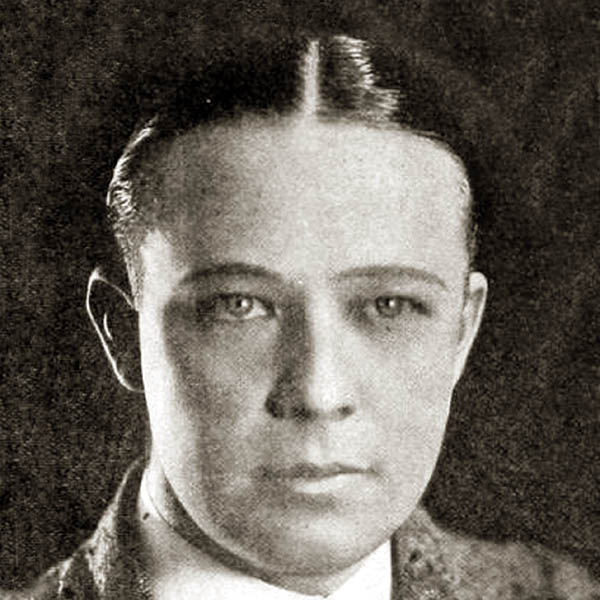
One note that while production and casting of Ebony films after 1917 would be handled by Black artists there was at least one exception in Robert J Horner, a white screenwriter of less than savoury reputation who was listed as the writer of several of these films. One has to wonder if he was responsible for some of the Minstrelsy tropes that would remain.

After such an unpromising start at least some later Ebony films would show some improvements and while still sporting limited budgets would also include some somewhat more ambitious parodies of white films. It's worth remembering that the original black minstrel shows were also full of parodies of white fancy dress dances and fashions and had indeed started that way although white audiences were largely oblivious to this.  

"A BLACK SHERLOCK HOLMES" (1918);


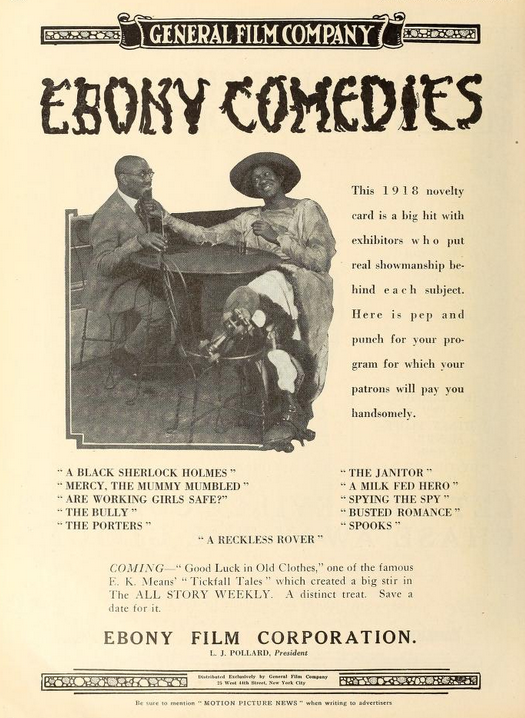
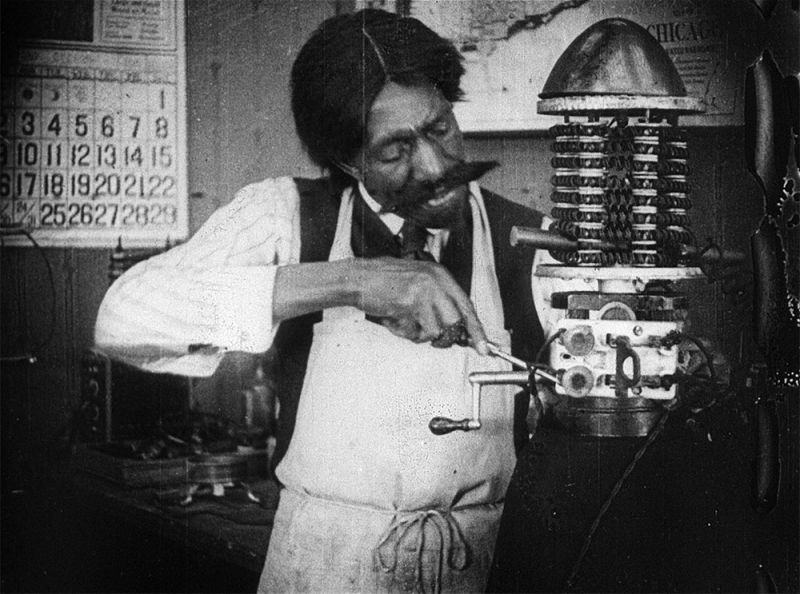
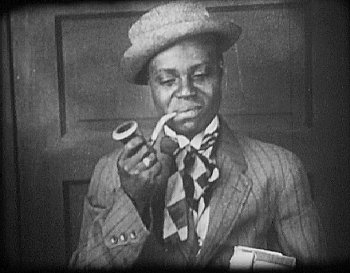
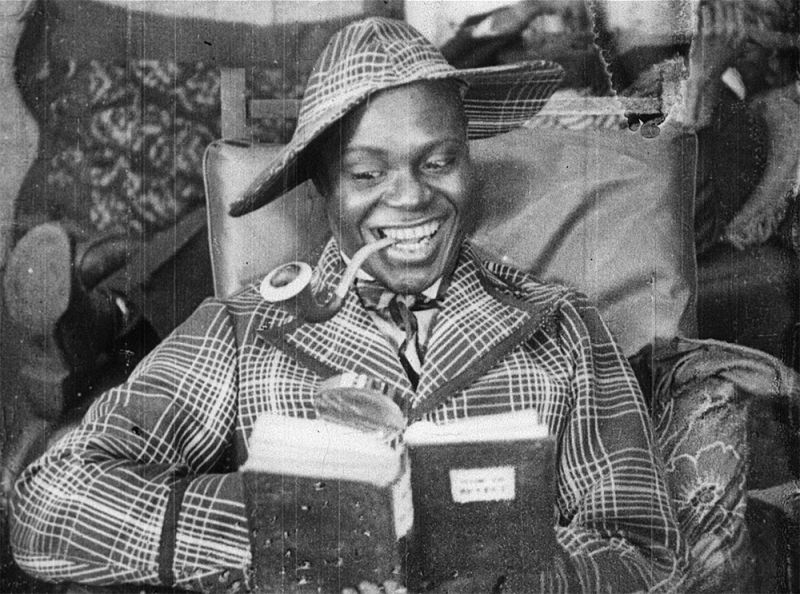
Sam Robinson is again the lead as a private detective Knick Garter (a play on the fictional detective Nick Carter already the subject of several books and films) who dresses like Sherlock Holmes wearing a deerstalker hat (sideways) and tweed suit sporting a large pipe and magnifying glass with his bumbling sidekick (Rudolph Tatum). The case involves a chemist (Lewis) who has invented a new type of explosive and is targeted by a conman (Sam Jacks) who eventually kidnaps the  daughter (Evon Junior) who Garter/Holmes has a crush on. Garter/Holmes who is of the Inspector Clouseau school of inept detectives spies on the conman and gives chase ending in a shootout and rescue of the damsel in distress after which the conman meekly surrenders and one of his henchmen switches sides and runs off to elope with the daughter and they all live happily ever after which Garter/Holmes graciously accepts.

800px-1918-a-black-sherlock-holmes-garter-sleeping

This one is actually complete albeit heavily distressed by water damage in some parts making those scenes a little difficult to fully follow however the story is essentially complete. The story is workable enough and Robinson has a more clearly defined character and look. Although long considered lost this is probably the best known Ebony film by the same sort of roundabout way that "Mercy The Mummy Mumbled" got a bit of notice by horror film historians, Sherlock Holmes historians had noticed this tile as an intriguing early Holmes film with a Black Sherlock but without having any details to work with. Now by actually viewing it we can see that it is obviously a parody of sorts. The story has nothing to actually do with Holmes of course and the characters are the usual broad comedy foils without too many carry-overs from Minstrelsy. Robinson is competent enough and the studio apparently saw enough potential in his bumbling detective to make a sequel of sorts.

"SPYING THE SPY" (1918);


Robinson's bumbling detective returns wearing the same deerstalker cap and tweed suit although this time his name has changed to Sam Sambo and he has no sidekick. With America now involved in World War One he has taken it upon himself to search for German spies and thinks he has found one named "Schwartz" who he makes a citizen's arrest of by throwing a bag over him and marching off to the police station. Once turned over to the police Schwartz is revealed to be a respectable black man (Schwartz is literally German for black) who the police promptly release, throwing Sam out of the station. Sam is however still convinced that Schwartz is a German spy and tails him as he goes into a building. It is revealed that Mr Schwartz is in fact a member of a Masons like secret society who are in the process of having an initiation ceremony dressed in dark hooded robes emblazoned with a skull & crossbones when Sam sneaks in. Recognizing Sam, Schwartz decides to turn the tables and put him through the ritual which includes dumping him into a jail cell with an animated skeleton and a simulated beheading. After terrorizing Sam the group allows him to escape by slipping him a gun with blanks and when he shoots it they all fall "dead" and he runs off. Finis.

Unlike "A Black Sherlock Holmes" this film has not been noticed by Holmes historians but Robinson clearly plays the same character (albeit with a different name) although if anything he's even dumber this time. This is still a lowest denominator slapstick; some film historians have suggested that there might be a theme of mocking "A Birth Of A Nation" in the secret society with their robes and hoods terrorizing Sam. However this is reading too much into this film (probably based more on the promotional posters rather than viewing the actual film which was long thought lost) the robed figures are clearly black and are not real villains committing any actual violence and Sam is not a real victim but is a oafish clod who besides being in the wrong has even assaulted and kidnapped Mr Schwartz early in the film. Schwartz and the robed characters are presented as respectable middle-class men and definitely not Klansmen. In fact there actually were all-black counterparts of the all-white Masons including the Prince Hall Masons who still exist. Additionally unlike most of the later Ebony films of the Pollard era there are white characters in the role of the police officers who are minor characters but they behave fairly and responsibly. There is no explicitly or implicitly racial critique to be found here. In fact, changing the name of the Robinson character from Nick Garter, a mild parody of a white fictional character, to Sambo, an explicitly racist Minstrelsy trope is even a step backwards.

Ebony-Comedies-04

We can't be sure exactly in what order the later Ebony films were actually made. At least two dozen films were released in 1917 and 1918 with "A Black Sherlock Holmes" listed as released in April 15 1918 and "Spying The Spy" in April 22 however they were probably not filmed in that sequence as there are clearly large snow drifts to be seen in "Spying The Spy" so it must have been filmed in the winter of 1917-1918 but no earlier as America did not declare war in Germany until April 1917. Thus "Sherlock Holmes" might have been filmed afterwards with the name change from Sambo to Nick Garter being an update for a character who was considered as a possible recurring role.

a-black-sherlock-holmes
SAM ROBINSON

That would never happen as Ebony Films attempts to rebrand for Black audiences would never be really accepted and would continue to face criticism from the Black press like the Chicago Defender who called for a boycott. To make things worse the studio continued to re-release their earlier films. As the studio was trying to market to both Black and white audiences some of the promotional posters and title cards also continued to use blackface imagery which may have amused whites but did not go unnoticed by the Defender. Ebony's attempts to play both sides were bound to fail and by 1919 Ebony closed up shop for good. There may have been other factors; at the end of the Great War there was an economic recession and more importantly the larger film industry which had originally been based in New York and New Jersey was packing up and moving to Hollywood. Ebony would not be among them, in fact out of Ebony's Black cast and producers virtually none would have any known film credits after Ebony shut down. It could be that none of them made the move to Hollywood and instead stayed in Chicago or made their way to New York and worked on the Vaudeville stage. While the films of Ebony Pictures have some historical interest as artifacts of early Black cinema it can't really be said that Ebony itself left any real legacy as all it's films were soon lost and forgotten and unlike some other failed studios, record labels and publishing houses none of it's creative staff would use their experience to make other films. The one odd exception was white screenwriter Robert J Horner who did make his way to Hollywood where he would have a long if undistinguished career as a director and producer in spite of having only one eye, no working legs and no apparent talent. He would carry on the fringes of Poverty Row making notoriously low quality B Movie (or lower) Westerns considered some of the worst of a not very demanding genre and dodging lawsuits, creditors and fraud arrests until his death in 1949.          

Robert_J_Horner
ROBERT J HORNER

Sam Robinson has been named by some sources as a younger brother of Bill Bojangles Robinson, later known as the famed tap dancer and already fairly well known as a Vaudeville player. But was he really? The backstory is complicated. Bojangles (whose actual birth name was Luther) is known to have had a younger brother named Bill. As he entered show business Luther decided that Luther wasn't a good stage name and switched to his brother's name of Bill. In spite of his cheery and unflappable public image in private Bojangles was known to be rather stubborn and quick tempered and he convinced (or bullied) his younger brother to go along with this and so when he then in turn eventually entered show business as a musician he changed his name to Percy. It's possible that before adopting the name of Percy as a musician he started out as an actor under the name Sam. Sam Robinson's film credits (which include an early Mary Pickford film) have has no other (known) film credits after Ebony Films shut down so if Sam and Percy are indeed he same person he could have quit acting and switched to music under the name Percy in order to dodge the bad press these film had gotten in the Black press. No other Robinson brother is listed however there is also a problem with the birthdate given for Sam as he is listed as being born in 1888 in Richmond, Virginia, which was the home of Bill who was born in 1878. However the brother's parents are known to have died in 1884 whereupon the brothers were raised by their grandparents with no known step brothers. It's possible that Sam is also Percy and the 1888 birth date given is simply wrong. It's also possible Sam might have been a cousin rather than brother who billed himself as such however it's more likely that the later claim that Sam was one of the Robinson Brothers was a mistake made by a later writer based on the coincidence of having the same name (admittedly not uncommon) and coming from the same town at roughly the same time.
All this leaves open the possibilities that Sam Robinson;
a) May in fact have been Percy, the younger brother of Bojangles acting under yet another different name (his real name being Bill remember) and the listed birthdate of 1888 is simply wrong as both parents died in 1884. Since Percy was known as a working musician he may have used the alias Sam since the Ebony Films were not popular in the black community and might have detracted from his musical career.
b) He may have had some other family connection with Bojangles and Percy, perhaps a younger cousin, exploiting the same last name by claiming he was yet another brother.
c) He may have had no connection at all and had adopted the persona either coincidentally having the real name Sam Robinson (hardly an unsusal name) or with that being an entirely made up stage name.
d) It's also possible that Sam Robinson was indeed his real name and that some latter day researcher just assumed that he was a younger brother to Bojangles and listed him as such and since everybody involved is long dead there is nobody to ask.

A close look at the census reports for Richmond, Virginia in the 1880's might clear this up but we may never know for sure. At any rate Sam Robinson is listed as dying in 1971 (assuming that's true) but with no other film credits. As Ebony Films was closing up shop in Chicago the film industry was also moving to Hollywood and if Sam didn't want to relocate and stayed in Chicago then that would explain why he has no other film credits. He could have stayed on in Chicago with the George Lewis players and worked in vaudeville, continued on as a musician (as Percy) or perhaps he simply retired from show biz. At any rate the question as to who exactly Sam Robinson was or wasn't is a bigger mystery than the ones faced by Knick Garter.

800px-1918-a-black-sherlock-holmes-knick-garter
SAM ROBINSON

The failure of Ebony Films to attract a Black audience can be traced to a few reasons. While the later films are typical enough of white slapstick films of the era and are usually competently done and performed and if they had been made a few years earlier or perhaps even a few years later they might have been acceptable enough if not exactly respectable guilty pleasures. By modern standards they are not notably different from the films then being made by Mack Sennett starring the likes of Fatty Arbuckle, Ben Turpin and the Keystone Kops with one promotional flyer actually shows a group of dozing Black policeman implying they may have made a Keystone Kops type short now lost, with the Sergent showing a distinct and probably not coincidental resemblance to the white actor Ford Sterling who played the same role in the actual Keystone Kops series. If anything in fact they are actually more restrainedthan the Sennet films. Sam Robinson is photogenic enough and shows some skill with physical comedy and it's easy to see how Ebony producers saw him as a possible comedy leading man.

Ebony_Comedies_-_11
PROMO SHEET SHOWING BLACK KEYSTONE KOPS

Indeed at the same time these films were being made the Black comic Bert Williams was a legitimate star playing bumbling sad sacks, and in the early sound era Spencer Williams would have career as both an actor and writer/director making a series of all-black films that were popular with Black audiences in the 1930's and 40's including broad comedies. In fact Bert Williams was the first Black multi-media star as a success on film and stage with hit records and sheet music and if he hadn't died in 1922 he almost certainly would have continued into the twenties and would be better remembered today. Williams was certainly more talented than Robinson with his characters having depth and vulnerability and he was seen as a figure who had worked his way for years through the white world while maintaining his dignity and was a genuinely popular figure with both blacks and whites as well and among the major stars of the day. For comparison note the subtley and pathos in his most famous routine from "A Natural Born Gambler" (1916) in which Williams, playing a luckless card-shark, ends up in jail playing a hand of invisible poker with himself and still losing.

BERT WILLIAMS IN "A NATURAL BORN GAMBLER" (1916);


Ebony were never able to shake their image of being a white owned studio cynically attempting to appeal to black audiences by hiring some black performers and those audiences saw through this whether or not that's entirely fair, especially to those performers themselves. This perception was certainly not helped by the continued use of Minstrel show images in the title cards in some of the films, the use of Minstrel show names like Sambo and Rastus and the patronizing tone of the promotional material which even if the general public did not see was seen by the press. Ultimately in the wake of "Birth Of A Nation" the Black community, it's leaders and especially the Black press was simply no longer prepared to put up with the slights, insults and patronizing attitudes they saw in the entire Ebony Pictures project. They wanted films and literature that treated them seriously and thoughtfully and they were already getting that from filmmakers like Oscar Micheux and Lincoln Pictures. In fact from the end of Ebony Films in 1919 and the death of Bert Williams there were no known Black comedy films made for a decade until the sound era. A decade later when Spencer Williams was making his films, at least some which included some broad slapstick humour (he would infamously later appear in "Amos & Andy" films) black audiences were more prepared to accept some silliness but 1917 to 1919 were no time for frivolity. Even if Ebony had been more thoughtful and sensitive in their presentation there was simply no demand for what they were offering in Black America at that time.

maxresdefault

Friday, 12 July 2013

"A Trip To The Planets" ~ 1920's Silent Doc

A Trip To The Planets ~ 1920's Silent Doc;

American-Cinematographer-cvr-Jan23-1024x880

This is an odd little film. I haven't been able to find any info about it at all, including who made it, or were, or when. It's not even listed on IMDB and they usually have even the most obscure films. Judging by the look it probably dates to the mid twenties at the latest. The rest is a guess though.

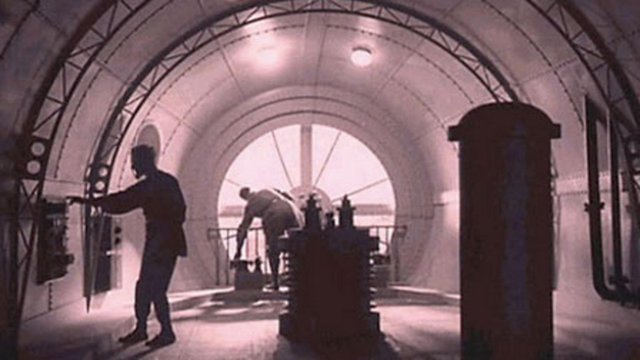
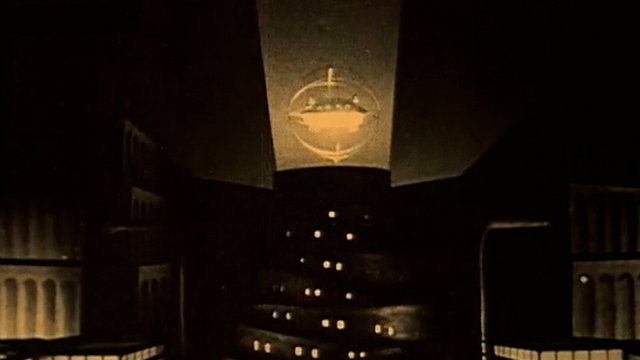
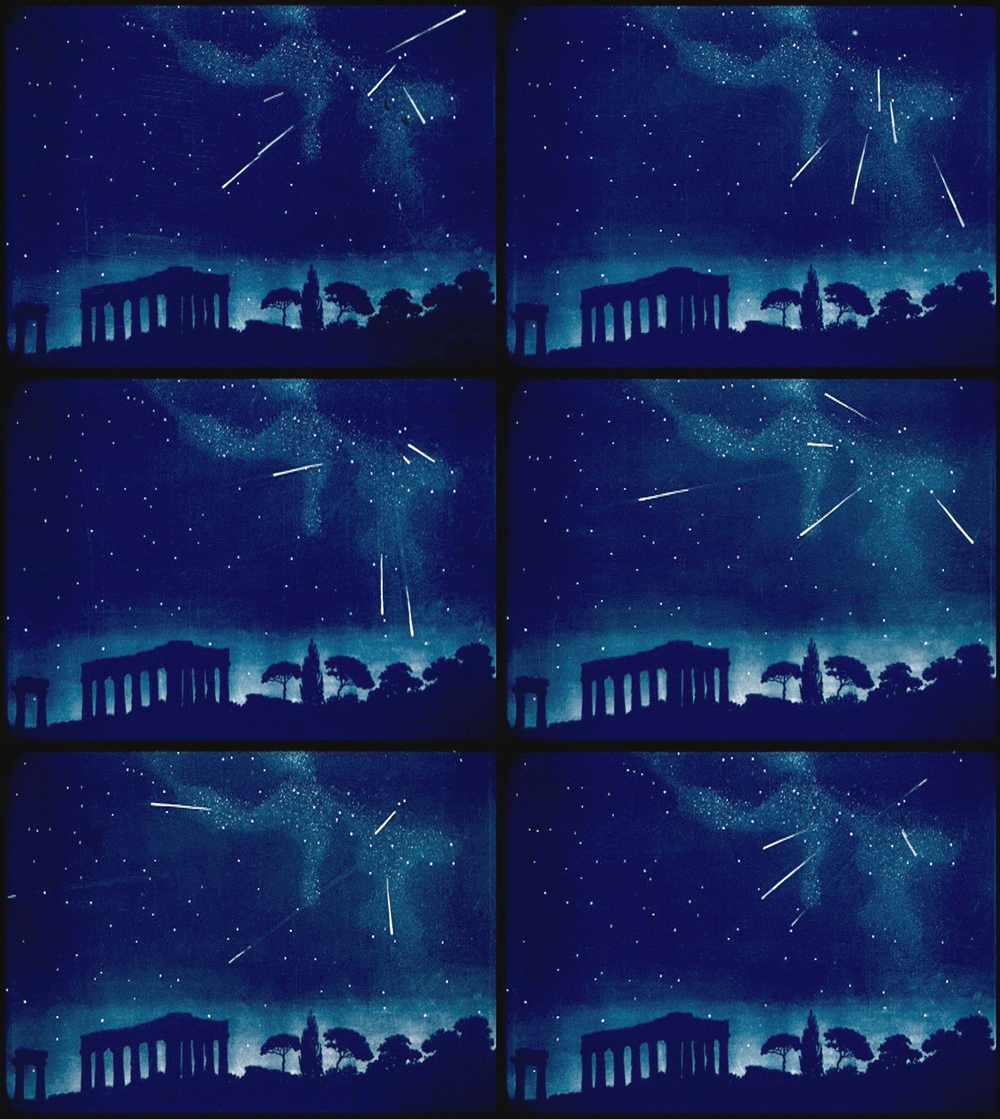
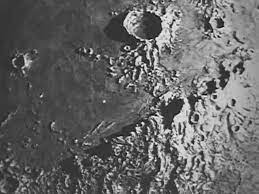
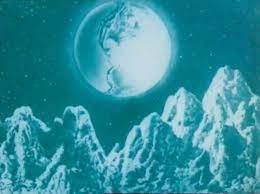
The film is a straight forward exploration of the solar system as it was known in the twenties, that is before Pluto was discovered. There are quick explanations of the planets and moons, there is also a quick rundown of the Zodiac. What makes the film standout are the cutaways to a fantasy spaceship as it journeys through the universe, along with a stunning shot of a futuristic city that is obviously inspired by Fritz Lang's 1927 classic "Metropolis". The city has all the skyscrapers, domes and elevated trains as flashy as any seen in any bigger budget film for the next twenty years. The spaceship cabin looks more like the cabin of a Zeppelin. This makes me assume the film was made after films like Lang's "Metropolis" (1927) and "The Woman In The Moon" (1929) the Russian film "Aelita, Queen Of Mars" (1924) and the American "Mysterious Island" (1929). The spaceship and space city footage are alone worth seeing for any sci-fi fan. In these sequences the film has some of the look of classic Futurist Expressionism but not obviously it's themes.

our-heavenly-bodies

In fact these shots seem so out of place in such a bare bones educational doc that I wonder if they were in fact lifted from another sci-fi movie, or movies, that have since been lost and forgotten. It is actually quite possible that this film was edited together in such a fashion by taking a few scenes from an earlier sci-fi film and splicing in the basic footage of the planets which do appear to have been filmed separately. For further evidence of this note the differences in the title cards between the straight forward exploration of the planets and the more mystical visit through the Zodiac. This film might have been assembled using footage from different countries, the fantasy footage may have indeed come from a forgotten European film (it does look German) while the other footage is probably American since the planets are obviously labeled in English. The footage of the cockpit/bridge actually bears a strong resemblance to an illustration from an obscure 1911 German sci-fi novel called "Wunderwelton" by F.W. Maler with illustrations by D. Herrfurth. Unfortunately this book is so obscure (at least in English) that I can't find anymore info about it aside from a brief mention in a book on Sci-Fi so I don't know how popular it was in 1920's Germany and Austria.

images-1

In the silent film days these sort of editing jobs were not that difficult since the lack of sound and the episodic nature of silent film story telling made it possible to to completely rearrange a film into a completely different plot. Given the rather lackadaisical attitude towards copyright in those days, especially international, there was little to stop an unscrupulous American distributors from taking some European footage and making a new film. In fact "Metropolis" was seriously re-edited for it's American release, not only shortening it but also removing some characters and subplots that some Americans might object to. Other characters were seriously changed, including the mad scientist who creates the female robot, to make him less evil. This also explains why some films of the era exist with wildly varied running times for different copies of the same title including DW Griffith's "Birth Of A Nation" and "Intolerance".

One wonders what the audience for this film was. It's obviously not designed for theatrical release but I don't know what kind of venue there would have been for such a doc.

A TRIP TO THE PLANETS;


=============================================================

October 2021 Update; At the time I wrote this article in 2013 I didn't know the history of this film or where it came from and couldn't find any info anywhere but recently someone contacted me with some correct info (thanks BTW) and then I did a little more digging so I'm doing an update/correction although I will leave the original article above here in the interest of transparency.

download-2

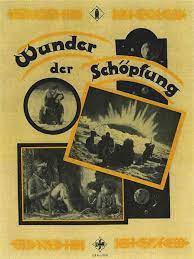
It turns out that some of my original semi-educated guesses were correct; I assumed this was an edited version of an European, most likely German film for release in America and it was. The original film was called "Wunder der Schopfung" (literally "Wonders Of Creation") also known under the more prosaic title as "Heavenly Bodies" made in Germany in 1925. This film was actually a full-length documentary as part of genre referred to in Germany as "Kulturefilmen" made in the early to mid twenties in the belief that film could be used to only for art and entertainment but also to educate. Most of these films covered topics such as health and fitness (always a German preoccupation), and exploring exotic cultures and locales. Unlike later educational films which were made for classrooms and lecture halls, these films were actually meant to be shown to the general public and were feature length with proper budgets made by major studios like the giant UFA. Several such films were released starting from about 1924 until the end of the silent era so they must have had at least some success although they have been largely forgotten about and ignored by film historians. In his classic work on Weimar Era films "From Caligari To Hitler" (1947) Siegfried Kracauer spends a couple pages discussing the genre and does mention this film but in a way that suggests he had only read about the film rather than actually seeing it while in the other classic work about the era, "The Haunted Screen" (1952) Lotte Eisner doesn't mention the film, or indeed the entire genre at all. Not surprisingly the original German film was considered lost until a copy was discovered in Finland and restored in 2008 with public showings (including in the UK in 2016) although it took a couple years for it to make its way online.

tumblr-pso4eq-WTst1qj7kyho1-500

This film was written and directed by Hanns Walter Kornblum for the giant UFA studios which in this case at least gave him a big enough budget and access to the best in their set designers which he clearly made excellent use of. As I mentioned earlier the futuristic spaceship sets and scenes of the planets are spectacular and compare nicely with those of the Fritz Lang classics "Metropolis" (1927) and "The Woman In The Moon" (1929) as well as the Russian sci-fi film "Aelita, Queen Of Mars"and the American 'Mysterious Island" (1929). Although I was correct in my guess about the basic origins of this film I was wrong about one notable thing; I assumed the sets of this film were influenced by these better known sci-fi films when in fact it is actually a few years older than all of them except the Russian "Aelita" and may therefore have instead in fact influenced Lang who must have seen it especially as it seems to have been fairly widely seen in Germany and got good reviews.

images

The full film is broken down into seven acts in which the opening ones explain the basics of astronomy in a fairly straight-forward way. These scenes have some simple animation along with some recreations of scenes with actors playing scientists like Copernicus, Galileo and Newton. Some of the animation of twinkling stars and spinning planets and moons are dazzlingly effective even today. Scientific concepts like gravity and the rotation of the planets are discussed.

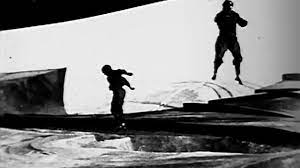
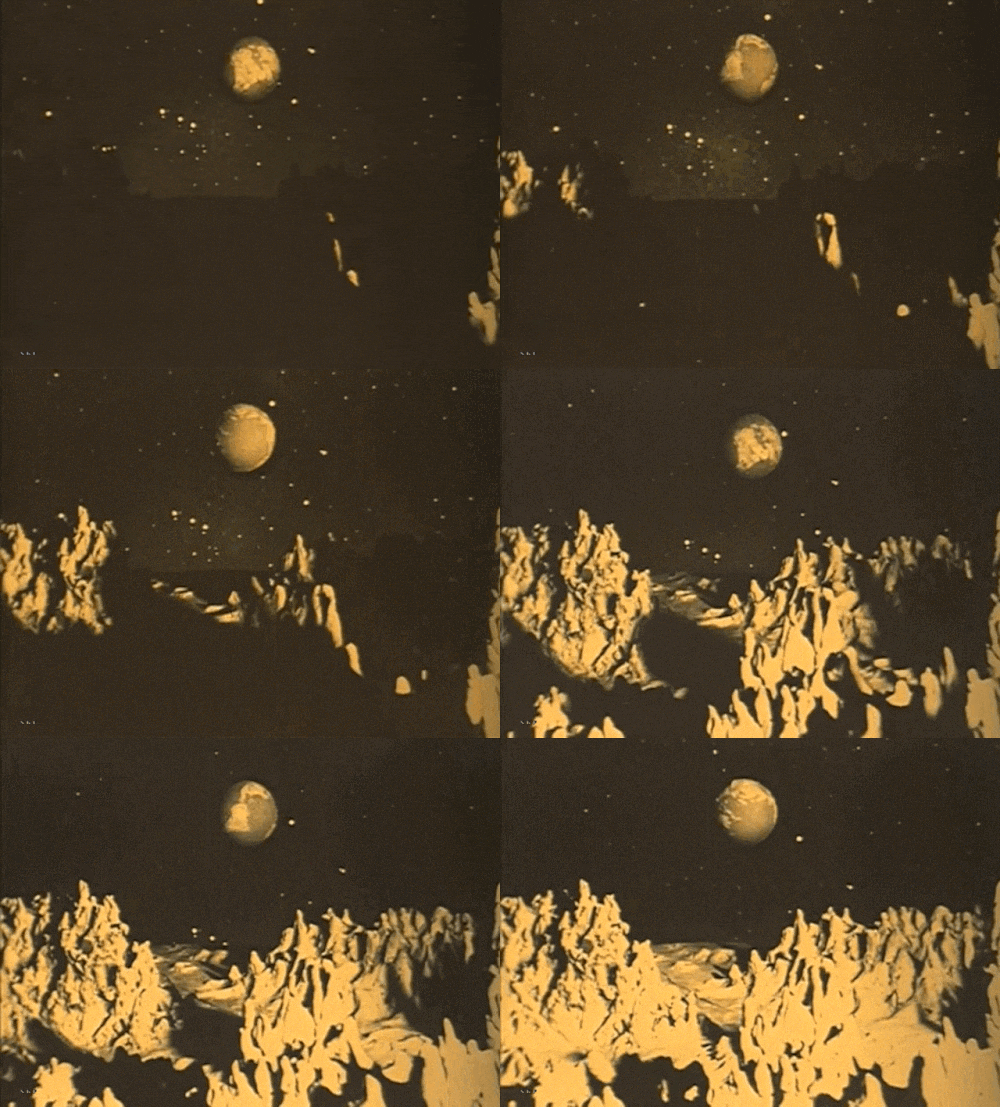
In act four the film leaves the world of dry facts and historical scenes and heads out into space with the spectacular scenes of space flight and a quick shot of a futuristic city including a Tower Of Babel ziggurat launching pad that looks suspiciously like the more elaborate sets later used by Fritz Lang and some starkly beautiful moonscapes. The moonscapes are realistic enough but as our space travellers move further away they become more fantastical. Kornblum's Mars looks more like the deserts of Egypt and somewhat inhabitable, as would the later moonscape of Fritz Lang's "Woman In The Moon". By the time we get to Saturn we encounter a race of desert-dwelling Lilliputians while Jupiter has a race of primitive (but friendly) giants. While these scenes are delightful by this point the film ignores some basic science in portraying these planets as equally habitable. While the film does focus on the different effects of gravity, including scenes of weightlessness, it completely ignores the different atmospheres, some extremely toxic, which make life impossible although scientists by this point understood or at least suspected this. None of our space travelers are required to wear space suits or breathing gear. The film can however be excused to not understanding that such craft would have to be powered through atomic power as this was a new concept understood by only a few scientists and instead has them run by some sort of extra powerful electric generator. This is at least more realistic than the giant cannon used by Jules Verne and George Melies.

imageedit-99-8617734962

While the film is broadly factual it does have a more mystical theme as implied by the title (every act opens with quotes from philosophers like Goethe and Kant) which becomes more obvious as by the final act we are discussing the end of life on planet earth either through a global ice age (showing our travelers stranded in an Arctic wasteland) or an asteroid crashing into the earth in a sequence apparently inspired by Italian films like "The Last Days Of Pompeii" (1908 & 1913) and various Biblical epics. Viewing the full version of this film reminds one less of the later dry documentaries we are familiar with than the notorious "Haxan, Witchcraft Through The Ages", a 1922 Danish film which Kornblum was almost certainly aware of. Both films are structured in the same way with the early scenes being straight-forward, even dry descriptions of facts and historical recreations before giving rein in later scenes to dramatic fantasy scenes with spectacular special effects.

As for the shorter film "A Trip To The Planets" I originally posted and wrote about; much of it's still a mystery as to exactly who was responsible or exactly when it was done but it seems my original assumptions were correct, it was probably an edited version made in America for educational purposes some time in the late twenties. The English intertitles make it obvious it was done in America and the different typefaces used in some them suggests it may have passed through a few hands. The greatly reduced run time not only cuts out the historical recreations from the early part of the film which slow things down (most educational films were only about twenty minutes long) but also eliminates everything after the visit to Mars, much of which is more speculative and fantastical then the early parts of the film and perhaps not really appropriate for a purely educational film anyway. While the American version takes out the philosophical elements from the original German film it does add in some of it's own as it takes pains to insist that it's science is compatible with the Bible and the Book Of Genesis. It must be remembered that the 1920's was the era of the Scopes Trial in 1925 and laws banning the teaching of evolution in many states so equating science with Christianity would avoid getting the film banned in parts of America.

tumblr-oslcq1l-Dg-W1rpduwho1-500

Since my original 2013 article more research has been done on this intriguing little film which seems to fascinate people. The only known copy has been held by the fine folks at Prelinger Archives who included it in a 2012 DVD of "Orphan Films" meaning films about which little or nothing is known about their creators. By this time the original German film had been found and restored and had been shown in Germany although this news had apparently not yet reached Prelinger in America. By this year (2021) Prelinger had been informed about the existence of the original film and likely relationship to the short in their archives and presented this with some further research in a February panel discussion and blog article.

354f8502d345205b7be5f1ee77e214f9

The original German film was produced by the giant UFA film studios who exported films world wide however this one does not seem to have been shown much outside the German speaking world although since the surviving copy was found in Finland it must have been exported at least to Scandinavia. Films of the Weimar often made their way there as well to Russia and Holland where copies sometimes turn up. UFA also had an export office in America and USA distribution contracts with MGM and Paramount and a search through UFA records (which being German still exist thankfully) do not show any copies being shown in America nor have any press reviews surfaced. However in 1927 MGM does indeed list a one reel "UFA oddity" named "Heavenly Bodies" which is also an alternative title the German original was sometimes known by. As this is a one reel short however it can not be the original so the assumption Prelinger makes is that it's the short version we now have which had been edited down to be used as an educational short which may be true but it might also be another related short I will mention below. Some of these films, if well made and attractive, which this one was, were actually shown as opening shorts to feature films and weekend matinees along with the usual comedy shorts and cartoons before being sold or rented to schools, universities, libraries, church groups etc depending on the subject matter. These rentals were not done by a major studio like MGM however, once MGM was done showing the film in theaters they then sold the rights to smaller distributors who specialized in educational shorts in this case the rights to a company called the Mogull Brothers who probably redited it and made some changes. It's possible that some of the still footage of the surface of the moon was was actually lifted from an American short "If We Lived On The Moon" which we will explore shortly. At this point the title card was changed to "A Trip To The Planets". This would explain the obviously different typefaces used in the film, they may also have added the Bible references to make the film sellable in the Bible Belt. This particular one is listed in school and library rental catalogues until 1945 after which it disappears. Such films often sat in dusty shelves and cabinets in schools and libraries for decades forgotten by film historians before getting purged in the 1980's when schools moved to VCRs. Prelinger Archives, working with the Library of Congress bought the surviving copy of this film along with hundreds of others from the Mogull Bros collection in 2009 but at the time nobody was aware of the film's complicated past.

It turned out that once Prelinger found out the history of this film they discovered there were not one but at least two educational shorts made from the original and they actually had both in their archives the whole time. The other short was billed as "Heavenly Bodies" and must have been assembled around the same time and may be the film mentioned in the above MGM press release although this film seems a little too dry to be worth plugging for a general release compared to "A Trip To The Planets" if that film had been renamed at some point. At any rate this edit discusses gravity by taking the Issac Newton scene from the original along with the comedy scene with a man grabbing a tree to avoid being shot into space. The second half of the film deals with astronomy. This short is fine for it's purpose and is actually more coherent than "A Trip To The Planets" which is more jumbled but lacks entirely it's sense of style and wonder. It's also a poor quality print.

"HEAVENLY BODIES";


The genre of Kulturefilmen petered out with the coming of sound and a desire of audiences for more escapist entertainment meant a big studio like UFA would have little interest in big budget docs and film houses even less interest on showing them. At any rate with the Nazis coming to power such high-minded educational fare would give way to an entirely different and far more sinister type of film as propaganda. There is not much information on director Hanns Kornblum who died in Germany in 1970. He could have continued to make obscure educational or industrial film shorts which have been long forgotten and not listed on IMDB or worked on other films as an editor but we do know he would make at least one more film a year later about Einstein's new Theory Of Relativity which did not survive (the Nazis would have definitely banned it) but once again it would make its way to America where another edited version would be cut.

"THE EINSTEIN THEORY OF RELATIVITY" (1923);


While we don't have much info on who adapted "A Trip To The Planets" we do have know who is responsible for this film as it was assembled by none other than famed animators Dave and Max Fleischer, later creators of the iconic Betty Boop, Popeye and Superman cartoons. Brothers Max and Dave Fleischer had been working as ground breaking animators since 1918 having previously worked as film editors for Pathe Films and making educational short films for the US Army in World War One and afterwards for a company named Bray Pictures who made educational shorts. By 1922 they had established their own studio. They were given the assignment of adapting Kornblum's original film for America to explain Einstein's new, controversial and complicated theory. Since we don't have the original we don't know how they much they changed or cut out or how long the original was but reportedly they did add a few animated sequences themselves and at least some of the filmed footage since the city shown is clearly New York. Possibly they only used a small part of the original Kornblum film now lost. Compared to the previous film with it's spectacular futuristic sets and dramatic recreations this film is very dry and no-nonsense with plenty of title cards and doesn't really compare with the dreamy charm of Kornblum's previous film or for that matter the well known cartoons that make up the huge and beloved library of the Fleischer Bros Studios for which this merely an odd curio.

Bray Studios was founded by John Bray in 1912 and would make a name for itself as a producer of early cartoons employing some later famous animators like the Fleischer Bros, Walter Lanz ("Woody Woodpecker") and Paul Terry ("Terrytunes"). John Bray himself had been an early animator and was heavily influenced by the brilliant pioneer animator Winsor McCay and his groundbreaking shorts of the 1910's like "Gertie The Dinosaur" with McCay himself teaching him some of his methods only to have Bray go behind his back and try to patent them (which McCay had at first generously chosen not to do being happy to encourage other cartoonists) and then had the nerve to sue McCay for violating the patents on his own inventions! McCay would end up winning those suits but it set a patern of Bray's hard driving, not to mention greedy business attitudes. Besides cartoon Bray also tried his hand at making comedy shorts and branched out into the lower profile but lucrative genre of educational, promotional and industrial films including for clients like the auto industry and the US Army. Bray would spend less time on animation to focus on running the business including cutting a deal with Sam Goldwyn in 1920 which gained Bray Studios more money and major distribution but also a heavier workload which along with Bray's penny-pinching would lead his best animators, the Fleischers, Lantz and Terry to leave and found their own studios. Bray's lucrative ad contracts including those for the automotive industry were managed by producer and former Olympic swimmer Jam Handy would eventually leave as well in the 1930's to start his own studios as well taking most of his clients.

While working at Bray Pictures the Fleischer Bros also worked on another educational space short around 1920 to 21, since by 1922 they had their own studios, called "If We Lived On The Moon" which exists in two seperate but obviously related shorts, one uses mostly animated footage and minatures while the other uses live action and painted stills, there are a few shots that are the same in both shorts (namely a sequence using miniatures to show the difference in temperature between night and day on a lake) and given the brief length of both (three and a half minutes for one and four minutes for the other) it's likely they were originally edited as together as one longer film but it's hard to see why they were cut into two.

"IF WE LIVED ON THE MOON" pt.1 (crica 1921);


Another clue that the two shorter films must have been part of a longer one is a promo poster put out by Bray Studios that shows a striking illustration of New York City inside a giant moon crater which does not appear in either of the two fragments we have left so given the usual length of such films there must be at least ten minutes of lost footage. Although as we shall see while the full length version of this film may have been lost for some reason this tiny part of it would find itself recycled.

"IF WE LIVED ON THE MOON" pt.2 (animated);


The animated version shows the Fleischer Bros fine draughtmanship, attention to detail and Art Deco influence that would later be seen in their iconic "Superman" cartoons of the 1940's. This is also the only one of these films to aknowledge that there is no atmosphere in space and man can not breathe although their solution of a heavy fur coat, hat and World War One gasmask is more appropriate to a high flying Zeppelin on an Arctic journey than space travel.

"TIDES & THE MOON";


Little is known about this short including when it was made although it appears to be of the same vintage judging by the Bray logos used so it may have been done at the same time as the other Bray space shorts however the workmanlike animation has none of the stylishness of the Fleischer Bros though so it's impossible to know who worked on it. As the title suggests it's not about space travel itself although it does have some sequences showing the orbits of the Earth and the Moon.

Moon-1920-movingpictureage04unse-0008-scaled-e1613574111643-768x612

Bray Studios shut down it's commercial animation and it's not terribly successful comedy series with the advent of sound in 1928 to focus on documentary and educational films into the 1960's when they scaled back continuing to distribute into the 1980's. Bray himself died in 1978 aged 99. ~~~~~~~~~~~~~~~~~~~~~~~~~~~~~~~~~~~~~~~~~~~~~~~~~~~~~~~~~~~~~~

download-4

By comparison to these films here we have two contemporary American educational films dealing with some of the same subjects in a more straight-forward and far less artistic way showing again the difference between the German feature, which was made for a general audience by craftsmen who had some sort of artistic vision and even the playful Fleischer Bros short to the more workmanlike films made for purely educational purposes. Unfortunately no names of any actual people involved in these films such as directors are listed.

"THE SKY" (1928);


This film was made by DeVry School Films who were a major producer of educational films in the twenties, a look at 1926 guide book for educators listing films available for schools and libraries from numorous companies (including US government departments) has dozens of films from DeVry on various subjects. Founder Herman DeVry was a German immigrant and an inventor and friend of fellow inventor the notorious Lee Deforest who claimed to have invented radio and television (he did not). He was one of the pioneers of educational films and later went on to found the well known DeVry Universities as a chain of private technical colleges across the country which still exist. He died in 1941.

download-1

This one has some good photography including some nicely moody shots of a youth looking at the stars, shots of an observatory and the usual fine shots of stars and planets, including a spacey shot of a window shade opening itself to reveal the stars. A more interesting thing I noticed is a shot of New York City sitting in a crater that is clearly the same as the one on the poster from the Bray Studios "If We Lived On The Moon" a half dozen years earlier so DeVry must have bought the now lost footage from Bray Studios and recycled it as the shots of the moon's surface are also the same. Also interesting is that some of the intertitles seem to be identical to some of those from "A Trip To The Planets" and since we know that film is a few years older that confirms the impression given by the rather choppy nature of that film and the wildly different typefaces used throughout that it must have been redited more than once over the years. Perhaps by Mogull Bros when the bought the rights from MGM. As for "The Sky"; it may not have the artistic and philosophical ambitions of the German films or even the Fleischer Bros but it is more consistantly coherant in telling its narrative and quite watchable.

"THE EARTH" (1928)


Our next one was made in 1928 by a studio named the Neighborhood Motion Picture Service who specialized in educational short films. At least one more of their films survives and it's a bland film about nutrition made for public schools and a listing I found of film copyrights for 1927 shows them as a New York based studio with four other nature and gardening documentaries. The guide book for educators lists a few more on from this company on citizenship and American history although no more on science (at least at that time) making them a respectable but minor player in the business. Only the first half of this film is actually about space although it does have some nice shots of a solar eclipse. Once again the shot of New York City sitting in a crater from Bray Studios is back. The rest of the film is normal live action and illustrations about the earth's surface along with a scene showing how to view an eclipse by looking at the sun from behind a grapefruit (note; Do Not Try This) and footage of what appears to be the grand canyon. While this film is low budget and much of it was probably patched together from existing footage it is once again efficient and on topic with some good visuals.

"A TRIP TO THE MOON" (circa 1926);


We know even less about this film. The company, Service Pictures, has such an anodyne name that trying to track down any info seems pointless as does any attempts to chase down the equally bland title. Given the fly-by-night nature of some of these tiny studios it's possible it operated under other equally forgettable names. Nonetheless this film does have it's charms as it's story gives some fanciful history of some pre-modern claims of space travel. This animation is very crude consisting of merely sliding paper spaceships across a backdrop and barely qualifies as animation at all but they do have a childlike sense of fun. The drawing of a futuristic spacecraft (in the year 1999) actually looks more realistic than the better drawn Fleischer rocket and was probably based on a diving bell. The shot of the spacecraft leaving a futuristic city and floating in space shows a likely infuence from the 1925 German film albeit done on a much smaller budget and looks almost like an amateur Kubrick with the cratered moonscape looking more gritty and harsh than the other films although it does not explain the moon's lack of atmosphere. This film also makes no attempt to explain how the spacecraft might work and seems quite unaware about the rock experiments Robert Goddard was even then working on. A sequence showing the passing of time starts in 1926 suggesting that was when it was made but that's just a guess although it's clearly not made after that date. While this film actually has precious little actual scientific information it is quite watchable unfortunately we know nothing about those who made it.

mm

"A SOLAR ECLIPSE OVER NEW YORK" (circa 1920's)


Our last film is a fragment from an unknown longer film showing a solar eclipse over New York state as we track it from Buffalo to Poughkeepsie to New York City. The eclipse is shown using a combination of actual footage and simple animation over skyline footage and looks fairly effective. We also see footage of an early observatory telescope outside Buffalo. There's no other inforation about this film including exactly who made it, when, or how long the entire film was. This fragment was found in Holland so the intertitles are in Dutch but's almost certainally an American film and says Universal across the bottom on the intertitles.

Note that by this point talkie films were starting to be made in Hollywood although that would have had no effect on the targeted audience for films for schools and libraries which would have still have been using silent projectors for several more years especially once the Great Depression hit and school budgets got cut. Some of these films were likely still in use into the 1960's.

tumblr-aced0a069cd400e81f6d6586e424892f-3a2eec8c-500