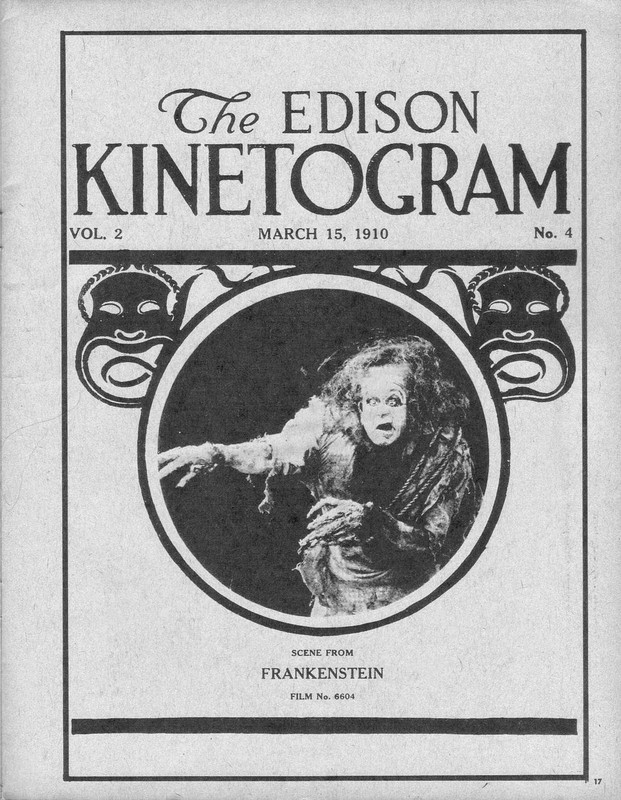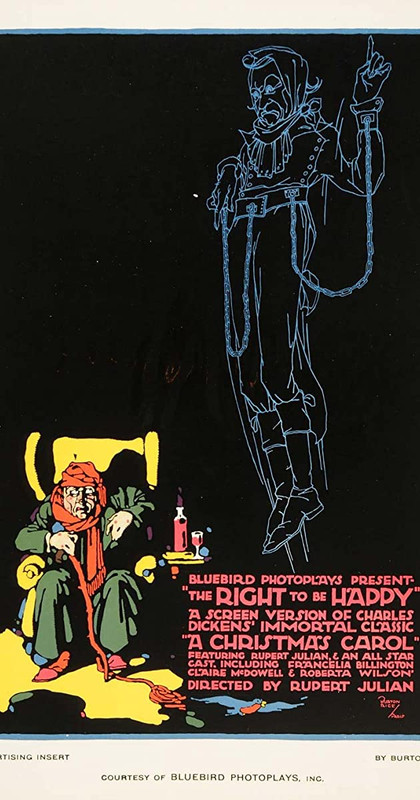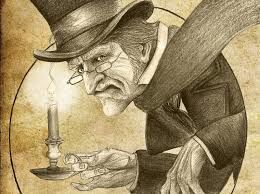
Two years ago for Christmas I wrote an article covering all the surviving versions of Charles Dickens' "A Christmas Carol" so this year as a somewhat belated follow up I decided to review all the black and white sound versions, at least the ones I could find or are currently available. The previous article can be found here so there's no reason to do a recap.
BRANSBY WILLIAMS;
The first sound production of "A Christmas Carol" would come as early as 1926, before sound films would even become standard releases. In fact this version was merely a short film done as a demonstration of some of the new sound film technology. The sound in this case was played on a phonograph that would be synched up to the screen, a cumbersome process that would not catch on and this film would become lost although a sound recording of what appears to be the soundtrack or at least a recreation of it does survive. Scrooge is played by Bransby Williams, a popular star of stage and radio who had played the role before. However here he is not so much playing the role as reciting the basic plot and doing a couple voices. There are no other cast members. The entire disc is only about ten minutes which is far too short and instead of presenting the various Spirits Williams merely describes them and moves on to the end. While of some historical interest this can hardly be considered a proper portrayal. Williams would later play a proper version on the BBC in 1950 which like most British TV is lost or not currently available.
BRANSBY WILLIAMS AS SCROOGE (1926);
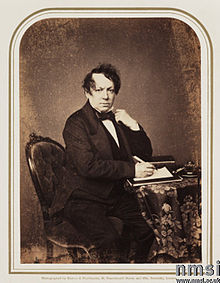
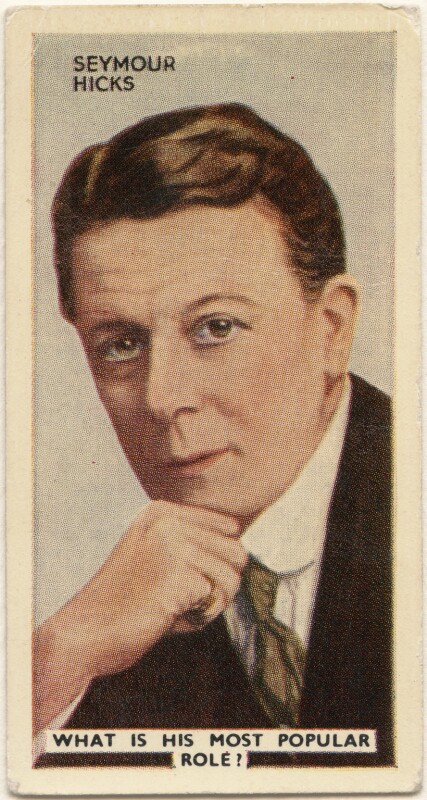
It's appropriate that the first proper sound version should come from Britain and would star possibly the most qualified actor to ever take on the role and who had already played the role on film. Sir Seymour Hicks (1871-1949) had been a major star of the London stage for years including working with stars Sir Henry Irving and Charles Frohman, when he began playing the role of Scrooge with a script he wrote, starting in 1901 playing the role hundreds of times with great success allowing him to set up his own company and build his own theatres, the Aldwych and Hicks Theatres. His company included family members including his wife, Elaline Terriss and brother-in-law Tom whose father William Terriss was a well known actor in his own right who Hicks had worked with until Terriss was murdered in 1901. Hicks was the best known Scrooge of the Edwardian stage so his moving the role to film was a natural. Like most stage actors of the 1900's Hicks showed little interest in the crude film vignettes of the early era, however by the 1910's film as a medium had advanced in its ability to tell a proper story lasting longer than a single reel. Hicks would star in an 1913 version which included his wife and other notable figures of the Edwardian stage which is still extant and which I already discussed in my previous article. Hicks would continue to play Scrooge and other characters on stage along with making some movies into the sound era which would lead to the first sound remake in 1932.
SIR SEYMOUR HICKS;
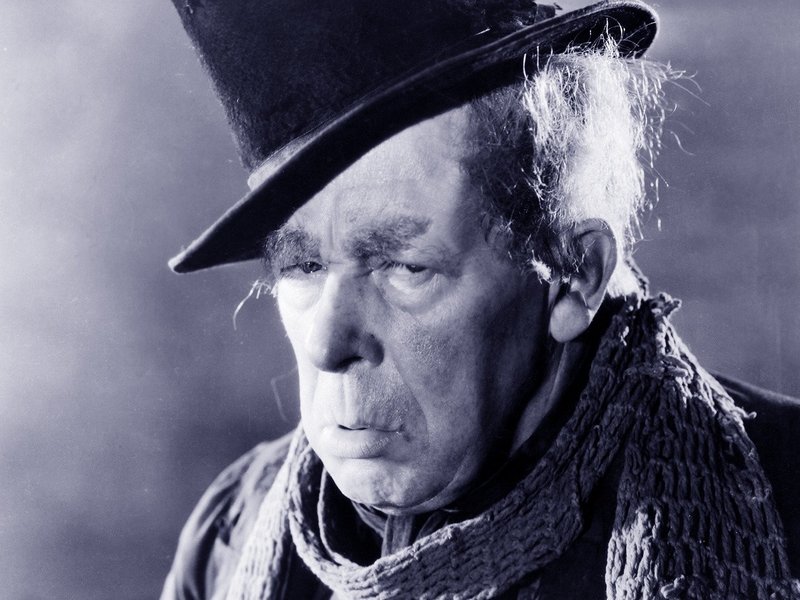
"SCROOGE" (1935);
Directed by Henry Edwards
Cast;
Sir Seymor Hicks ~ Ebenezer Scrooge
Donald Calthrop ~ Bob Cratchit
Robert Cochran ~ Nephew Fred Holliwell
Mary Glynne ~ Belle
Barbara Everest ~ Mrs. Cratchit
Eve Gray ~ Janet Holliwell
Philip Frost ~ Tiny Tim
Claude Rains ~ Jacob Marley (voice only)
Marie Ney ~ Spirit of Christmas Past (voice only)
Oscar Asche ~ Spirit Of Christmas Present
C. V. France ~ Spirit of Christmas Future
Athene Seyler ~ Charwoman
Margaret Yarde as Scrooge's Laundress
D.J Williams ~ Undertaker
Robert Morley as Rich Man (uncredited)
All of the silent versions, including the previous 1913 Hicks version, suffered from making shortcuts to the plot, sometimes eliminating entire important characters with most also taking a fairly perfunctory attitude towards the actual filming which tended to show a lack of any real sense of style. This time however we have a proper film treatment and it's this film that sets the template for every subsequent Scrooge film. It's fortunate that Hicks waited a couple years after the first introduction of sound and filming techniques caught up with the need to record so we do get a camera that is mobile enough to avoid seeming overly stage-bound. Twice we get a sweeping view of how London celebrates Christmas and the camera soars over a miniature of the city and then to a rain and windswept lighthouse and a storm lashed ship at sea with sailors shouting their season's greetings through the maelstrom. This evocative sequence, which would later be reproduced almost identically for an animated version in the nineteen sixties, resembles a similar sweeping vista in the 1926 FW Murnau version of "Faust". Other more obvious influences from German film comes in the sequence with the Ghost Of Christmas Future which is the highlight of the film. Previously the film has been shot with gritty realism but now we switch to classic Expressionist shadowplay with Scrooge being shot as a shadow silhouette or even a disembodied head superimposed onto it's own shadow while the Ghost's skeletal hand points over him. While these scenes have a nightmarish quality they are essentially dreamlike compared to the even darker scenes where the Undertaker, Mrs Dilber the Charwoman and the Laundress haggle with Old Joe the Fence over Scrooge's stolen possessions. Here we get a London underworld with characters shot as disembodied learing faces and grasping goblin-like hands fondling their ill-gotten coins. The later classic 1951 Alistar Sim version would do it's own take on this scene with some fine acting but even that excellent version doesn't match the Stygian gloom of this version. While there are some Expressionist flourishes here as well the main influences here were likely closer at home. In 1872 the French illustrator Gustave Dore did a series of iconic views of London including its underground in the age of Jack the Ripper showing London in its seedy, grimy glory and it's Dore's London we see here.
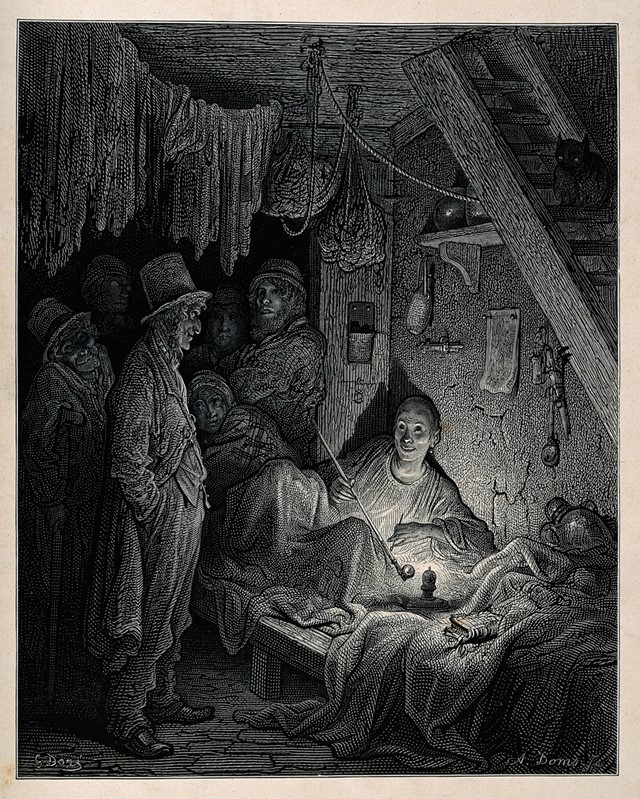
GUSTAVE DORE'S LONDON UNDERWORLD
The sets and costumes here are vividly Dickensian; dark, cold and gloomy with none of the ornate decoration of some later versions. The building interiors are sparse, spartan and unadorned although the streets are busy and vibrant. This is a harsh London with none of the usual romantic escapism of other portrayals of the Victorian Era with the entire main cast seeming to be cold, hungry and worn down, an effect accented by their often threadbare clothes. Instead of the glamour that the Victorian Era is usually shown with here we get the dreary, desperate city of the muckraking photographers like Jacob Riis showed in his contemporary series of photos of New York. It's probably not a coincidence that this film was shot during the depths of the Great Depression and in Britain. America had spent the previous Roaring Twenties in an extended economic boom, however illusionary, as had Weimar Germany. By contrast in Britain the twenties had already experienced an extended recession and political instability by the time the actual Depression hit Britain. In American and German film the thirties were a time of lavish escapism but there is none of that in this version which can truly be called Dickensian. As evidence that this was a conscious artistic decision and not due to budget constraints we have the scenes of Christmas for the Upper Crust at the Lord Mayor's Ball which is indeed lush and ornate.
This version is not without its flaws. Chief amongst them was the bizarre decision to not show Jacob Marley but to instead have him as a disembodied voice thus depriving the film of one of its most iconic images. As by 1932 film techniques were fully capable of shooting a double exposure ghostly image the decision to not do so here is frankly inexplicable. As Hicks was known for having played the role on stage for over twenty years it's possible that this was how the character was done on stage but it shows a lack of film technique that the film does display elsewhere. Similarly the Ghost of Christmas Past is only shown one once as a ghostly silhouette and then only briefly cutting the visit to Scrooge's past too abrupt to have much impact. Unlike most later versions we also do not really see a young Scrooge presumably because again this was not done on stage and Hicks, being in his sixties by this point, was too old to pull off the youthfulScrooge and didn't want to share the role with another younger actor. Shortening these scenes also makes Scrooge's rehabilitation too abrupt. Unlike some other versions Scrooge's where transformation takes time as he slowly realizes how his past life shaped him and what it has cost but by rushing through things we miss the whole point of this transformation as Scrooge caves almost instantly. As is common with many films of the era the musical soundtrack can be a bit overpowering at times.
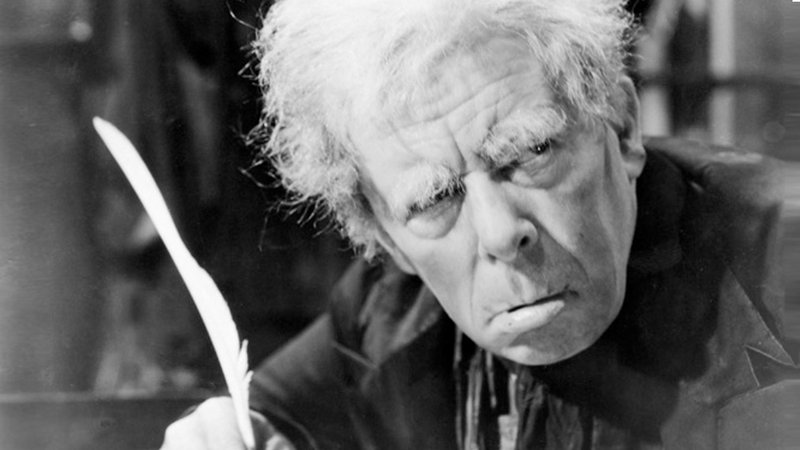
As Scrooge, Hicks is an ill-tempered, glowering presence. Stocky and florid with wild hair, bushy caterpillar eyebrows and a lumbering, bullish walk. For a stage actor he is not especially histrionic and avoids going over-the-top in his portrayal. Setting aside the relative absence of Jacob Marley and the ghost of Christmas Past the supporting characters set the template for most of the succeeding decades. As Cratchit Donald Calthrop is appropriately frail, stooped, servile and weather-beaten. The trio of greedy Charwoman, Laundress, Undertaker and the Fence are vividly decadent and debased. The actor playing Tiny Tim is not as cloying as others would be in this maudlin role.
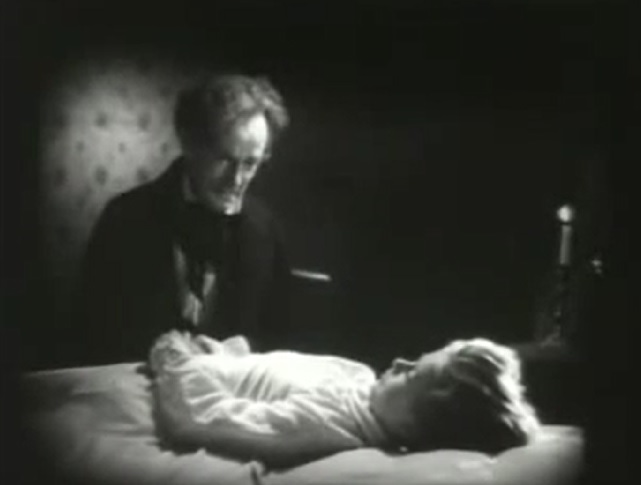
DONALD CATHROP AS CRATCHIT
Sir Seymour Hicks was born in 1871 and had appeared on the stage from the time he was a teen and would continue acting almost up to his death in 1949 aged 78. Director Henry Edwards (1882-1952) had a long career as an actor and director dating back to 1915. Donald Calthrop (1888-1940) also had a career starting in the silent ear and would later include five of Alfred Hitchcock's UK productions. The voice of Jacob Marley was played by Claude Raines in one of his early roles which was ironic as he would later become famous as the Invisible Man. Another actor making an appearance in an early role was Robert Morley as one of the gentlemen asking Scrooge for alms for the poor.
REGINALD OWEN; The Hicks film was successful enough to inspire an American version just a few years later giving the story the patented Hollywood treatment.
"A CHRISTMAS CAROL" (1938);
Directed by Edwin Marin
Cast;
Reginald Owen ~ Ebaneezer Scrooge
Gene Lockhart ~ Bob Cratchit
Kathleen Lockhart ~ Mrs Cratchit
Terry Kilburn ~ Tiny Tim
Barry MacKay ~ Nephew Fred Holliwell
Lynne Carver ~ Bess (Fred's Fiancee)
Leo G Carroll ~ Jacob Marley
Ann Rutherford ~ Ghost Of Christmas Past
Lionel Braham ~ Ghost Of Christmas Present
Ronald Sinclair ~ Young Scrooge
Elvira Stevens ~ Fann Scrooge
Olaf Hytten ~ School Master
After the grime and gloom of the British Hicks version this American shows the kind of flair of most Depression era Hollywood with lush detailed sets, elegant costumes and a soundtrack of swirling strings. Even the house and clothes of the Cratchits are comfortably bourgeois and cozy especially compared to the spartan and beleaguered ones in the Hicks version. Similarly Scrooge's home is richly furnished and not the chilly tomb of Hicks' version. The same is true of the exteriors which don't really look like Victorian London and could be any major city. This is all pretty to look at but it can hardly be called Dickensian. It does however reflect the escapist tastes of American Depression era audiences (the same trend can be seen in German films of the era) at least in major studio productions and this film was an immediate hit. This film does have some improvements over the Hicks version starting with having an actual visible Jacob Marley and Ghost of Christmas Past instead of a disembodied voice. Marley was played by veteran character actor Leo G Carroll and his portrayal has been the standard ever since with its chains and lock boxes, spectacles askew and jaw held in place by a bandage. Similarly while in the Hicks version the Ghost of Christmas Past was a vague (and presumably male) ghostly presence with a menacing echoing voice here she is a beautiful blonde (Ann Rutherford) who speaks and interacts as any mortal would thus allowing for more meaningful dialogue. This allows for the film to spend more time on Scrooge's backstory that has also become standard in all subsequent versions.
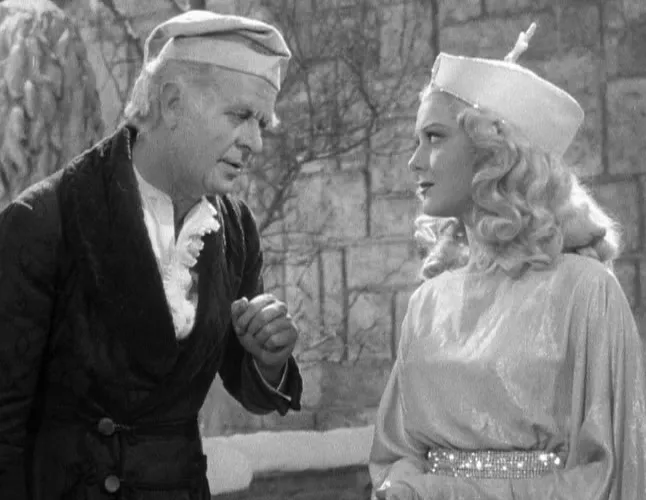
REGINALD OWEN & ANNE RUTHERFORD AS THE GHOST OF XMAS PAST
This version also clearly looks better than the Hicks version with it's bright and clear cinematography. There are however also some weaknesses compared to the Hicks version. As a tradeoff for spending more time with Scrooge's past we spend less time on the Christmas present and we do not get any version of the sweeping panorama of the city. It's possible that this may not have been a creative decision but may be that shooting on existing Hollywood studio sets they simply did not have the appropriate sets and miniatures to recreate Dickensian London handy and decided to dispense with them. It's noticeable that the exteriors we do see could basically represent any Victorian city and were probably already in place. There is also nothing to compare to the nightmarish scene selling Scrooge's last effects at the Old Joe the Fence's darkened lair.
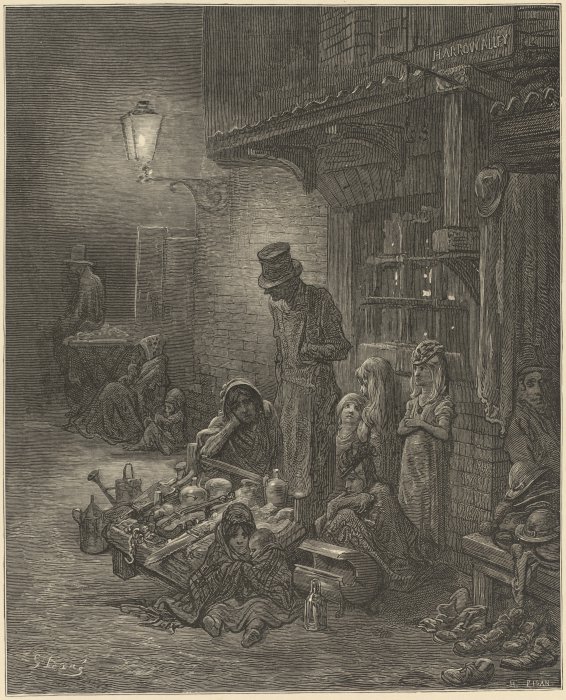
GUSTAVE DORE'S LONDON UNDERWORLD
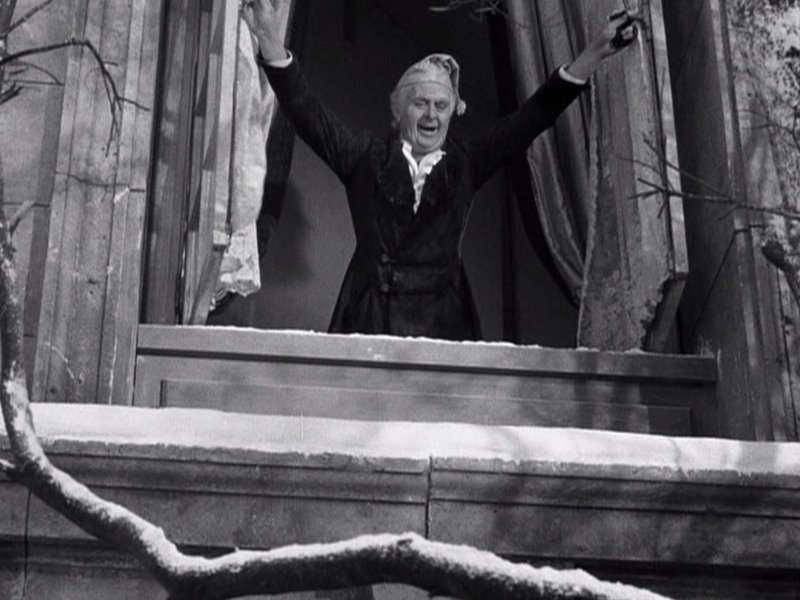
Reginald Owen as Scrooge is solid but unremarkable, lacking the brooding glower of Hicks or the self-loathing menace of the later Alister Sim and coming off as merely a crotchety old coot. Owen in some other roles had been a rather stolid and stocky presence even as he played Sherlock Holmes but here he is unrecognizable seeming to have lost weight and with an odd scuttling gait that would later be copied by Albert Finney in his 1970 musical adaptation. The Cratchits were played by actual married couple Gene and June Lockhart and they do have a natural familiarity and ease however Gene looks far too well fed and comfortable compared to Donald Calthrop's careworn, stoop shouldered version. Cathrop was believably meek and servile while Lockhart was so oppressively upbeat as to seem almost imbecilic and even getting fired (which doesn't happen in most versions) can't dampen his good cheer for long. The Cratchit's middle daughter was also played by their daughter June who would later go on to star in the 1950's and 60's on TV shows "Lassie", "Petticoat Junction" and "Lost In Space" and as of this writing she is still alive. We also spend more time with Scrooge's nephew Fred and his fiancee Bess who are a typical blandly attractive and wholesome Hollywood couple. One exception is Tiny Tim as played by Terry Kilburn who is sickly cloying even by the standards of the day. Kilburn would appear in "The Adventures Of Sherlock Holmes" (1939), "The Swiss Family Robinson" (1940), "Black Beauty" (1946) and some Andy Hardy and Bulldog Drummond films. As of this writing he is also still living.
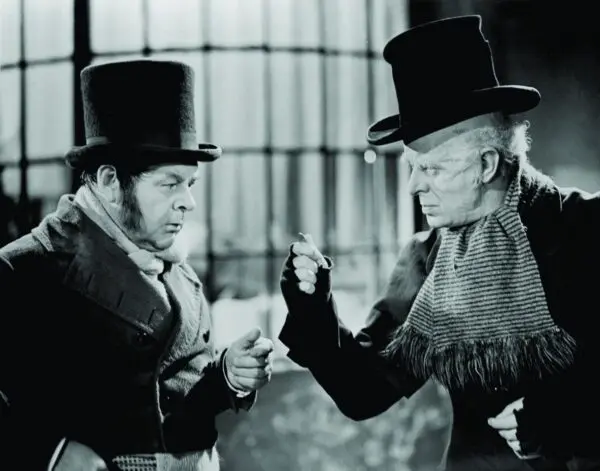
REGINALD OWEN & GENE LOCKHART AS CRACHIT
Reginald Owen (born 1887) was British actor who had a long film career as far back as 1911 in Britain before moving to Hollywood which had already included appearing in early two sound Sherlock Holmes films including appearing as both Dr Watson (opposite Clive Brook in 1932) and Holmes himself in 1933 giving him the odd and somewhat unenviable distinction of playing not one but three classic characters of Victorian fiction (Scrooge, Holmes and Watson) only to see them taken over and personified by other actors (Alistar Sim, Basil Rathbone and Nigel Bruce) in his own lifetime. Owen was not actually the first choice to be Scrooge with the role originally planned for Lionel Barrymore who had played the role on radio and was a bigger star but he was not available, they did get him for the trailer. Owen would have long life and career into the TV era usually in supporting roles in such films as the notorious epic bomb "Hotel Imperial" (1939), an adaptation of Robert Louis Stevenson's "Kidnapped" (1938), the 1962 adaptation of Jules Verne's "Five Weeks In A Balloon" and on TV in "Bewitched" and the supernatural anthology series "One Step Beyond" before dying in 1972.
REGINALD OWEN
The Owens version was an immediate hit and would become the standard version for (at least in North America) until the classic 1951 Alistar Sim version and even today there are some Americans who list this as their favorite version but frankly that's a hard argument to see. It's attractive and its acting and direction are perfectly competent and I can understand preferring it to the more downbeat Hicks version but it's basically bland and lacks the personality, atmosphere and depth of the Hicks Scrooge let alone the masterful 1951 version with Alistar Sim.
ALISTAIR SIM;
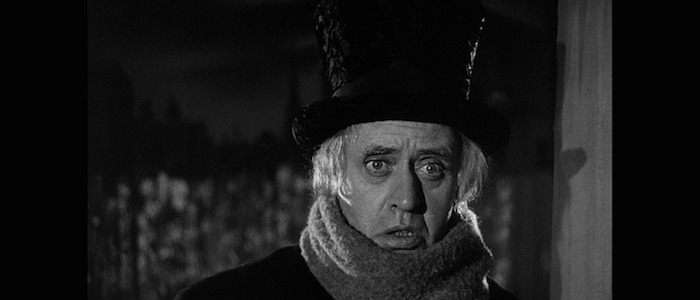
The Hicks and Owens films became the standard versions that would be rereleased every Christmas season with the Hicks version in the UK and Owens version in North America for the next twenty years with no other film production until a British production would become the iconic portrayal.
"SCROOGE" (1951);
Directed by Brian Desmond Hurst
Cast;
Alistair Sim ~ Ebaneezer Scrooge
Mervyn Johns ~ Bob Cratchit
Hermione Bradley ~ Mrs Cratchit
Michael Hordern ~ Jacob Marley
Michael Dolan ~ Ghost Of Christmas Past
Francis De Wolf ~ Ghost Of Christmas Present
Kathleen Harrison ~ Mrs Dilber the Charwoman
Louise Hampton ~ The Laundress
Miles Malleson ~ Old Joe the Fence
Glyn Dearman ~ Tiny Tim
Carol Marsh ~ Fanny Scrooge
Rona Anderson ~ Alice
George Cole ~ Young Scrooge
Patrick Macnee ~ Young Marley
By the time this version was made over a decade had passed since the previous versions and the lush and syrupy escapism of the Owen version was quaintly old fashioned in the age of stylish Film Noir and gritty Realism and this version has elements of both. It's a return to the dark and gloomy Dickensian world of the Hicks version but done with a better budget. Scrooge's mansion and office are dusty tombs with cobwebs and tattered drapes, Cratchit's home is spartan and London looks cold and lonely except in the scenes from Scrooge's past and again at the end when everything seems more lively meaning this was a creative decision rather than a budgetary restraint as may have been partially the case in the Hicks version. The costumes are however not as threadbare as those in the Hicks version. Everything looks authentic and lived-in as only an English production could have pulled off. There are also better special effects particularly in the scene where Marley's Ghost visits and shows Scrooge the street scene where the massed spirits ineffectively try to aid a homeless mother and child in the snow below. The music is used more sparingly than in the 1938 version but it has more impact.
For the first time this version narrative structure gives plenty of time to vividly establish Scrooge's miserly character as well as spending enough time with each of the Spirits to justify his redemption which unlike in the previous versions happened more slowly rather than abruptly as the realization dawns on him making his final redemption scene more satisfying.
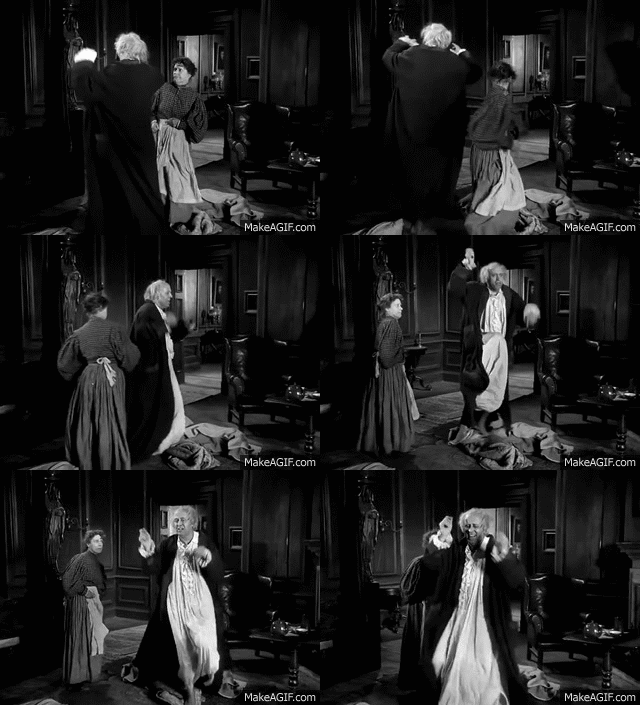
While the whole film is well made and true to the source in it's writing the focal point and the thing everybody remembers is always Alistair Sim's Scrooge. Sim brought a depth and complexity to the role. His Scrooge wasn't just crotchy, rude and cheap, he was cruel, cynical, arrogant and full of sheer disgust and revulsion for his fellow man, a true misanthrope. In the scene where he is seen signing Marley's death notice and inheriting his miserable estate has no actual dialogue or action other than the sneer on his face as the Spirit describes him as a miserable, grasping, covetous old miser but the sneer indeed tells us all we need to know about Scrooge's character. At the same time Sim manages to convey something else about Scrooge that wasn't made clear before. That he is also a frightened old man full of self-loathing. His Scrooge is self aware, he knows he is a bad person however much he may justify it, and so watching him learn (or relearn) how he got that way and what the consequences are make his redemption arc feel earned in a way previous efforts had not. The famous scene where at the end where Scrooge wakes up and is overjoyed at getting a second chance was criticized by some as being overly broad and indeed he does seem to be almost having a nervous breakdown but given the real depth of Sim's performance and after watching the film spend enough time to develop his Scrooge it does feel like an organic reaction. Perhaps more revealing and far more subtle is the scene where he arrives at his nephew's house for dinner and hesitates at the door, shoulders hunched with a look of his fear of rejection before being wordlessly encouraged by the maid. The entire scene is in fact worldless but has more emotional power beyond what may have been in the script.
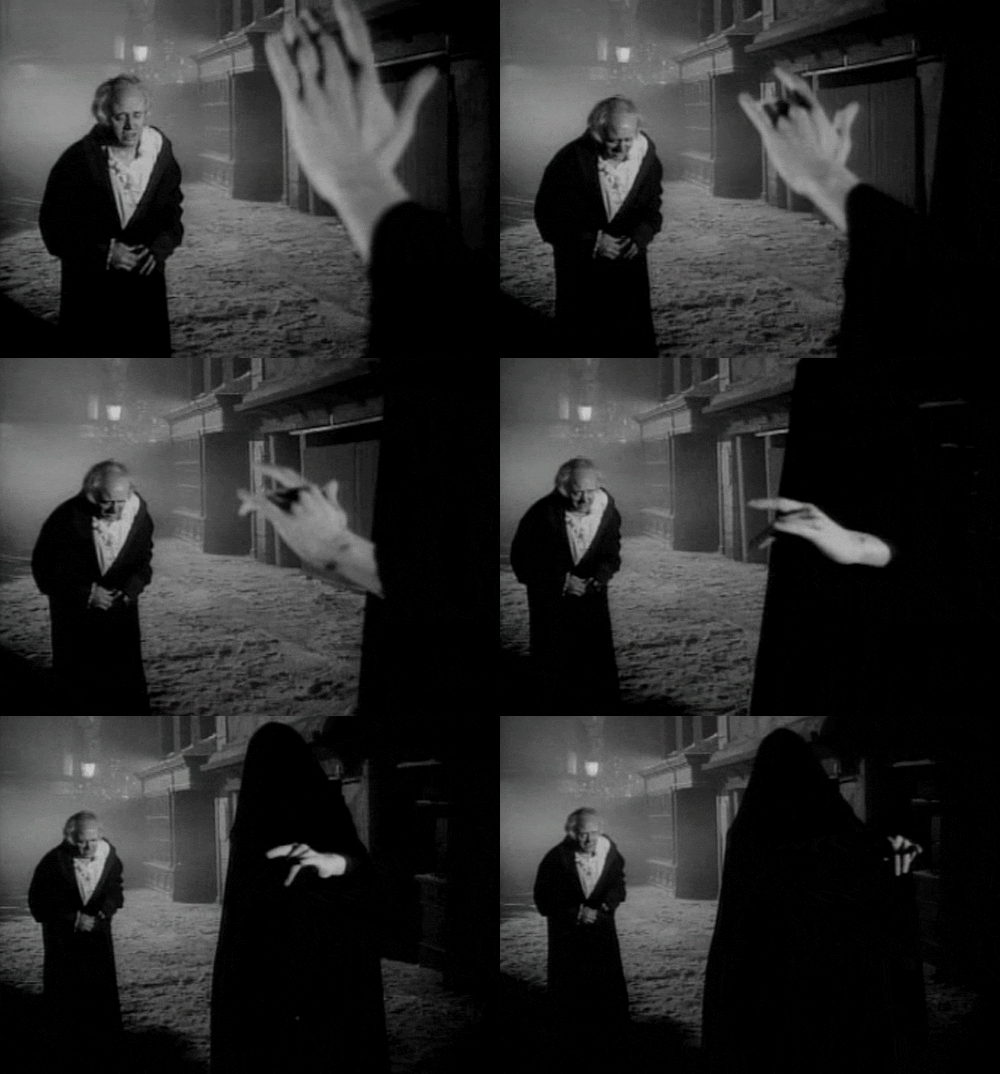
Besides Sim the rest of the cast was solid with Mervyn Jones also being the best Cratchit so far, certainly more believable than Gene Lockhart and with more depth than Donald Calthrop. Michael Hordern's Marley is more ghostly and anguished than Leo J Carroll in the 1938 version although he is helped by better special effects. One notable change from the Owen version is switching the Ghost of Christmas from a beautiful woman to a wizened old man. This is a lateral move but perhaps it ultimately better served the story to have the spirit be a remote figure rather than the lovely Ann Rutherford. Another change is the increased prominence given to Kathleen Harrison as Mrs Dilber the Charwoman. The role had existed in the Owen version but here she is given much more dialogue and Harrison plays off Sim well in his classic morning after scene. She is also excellent in the scene with Old Joe the Fence as is the rest of her partners in crime although this scene isn't as creepy and nightmarish as in the Dore influenced Hicks version it is more realistic. As a final note modern audiences will spot as young Marley Patrick Mcnee who would later go on to become John Steed in the classic 1960's spy series "The Avengers".
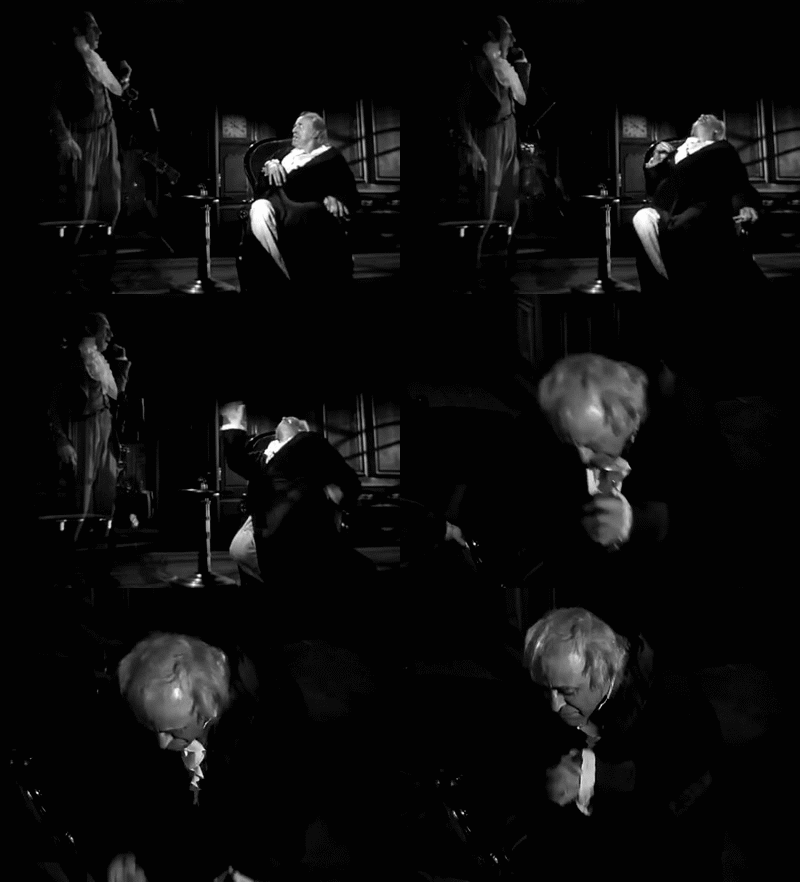
Sim was a Scottish actor who was previously best known as a comic actor but he seems to have been the filmmaker's first choice and this role would become his legacy. He would take much of the decade off as he was apparently somewhat typecast and seen as being something of a relic as tastes changed in modern British cinema. Sim was a private man who gave few interviews so if he had become somewhat resentful of being overshadowed by his creation as basil Rathbone had been about his Sherlock Holmes he never said so. In fact he would later reprise the role in an animated version in 1971 but that will have to wait for another year. He died in 1976.
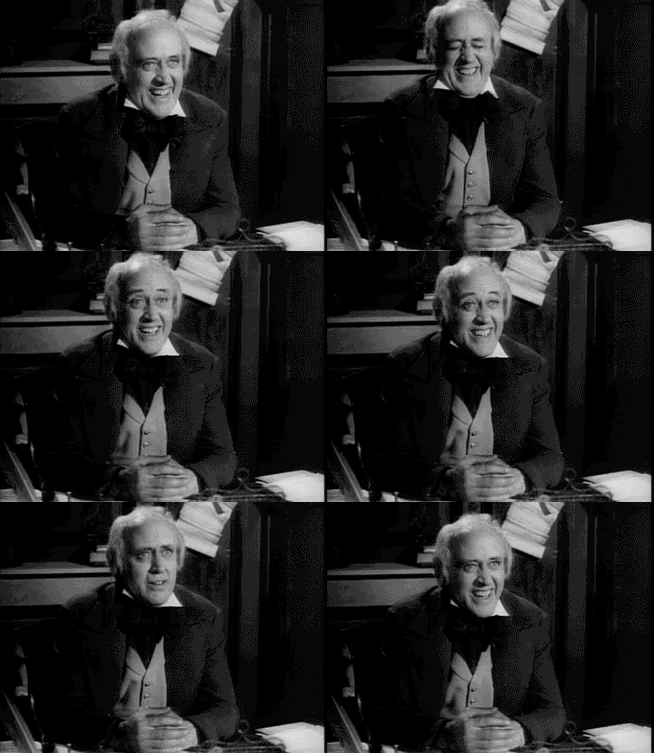
The Alistair Sim performance became instantly definitive in Britain but while it took longer for Americans to catch up once they did the 1951 production would become an annual Christmas tradition effectively discouraging any more large screen productions until 1970's musical production with Albert Finney and Alec Guinness. Instead for the rest of the 50's and 60's productions would be limited to TV.
TAYLOR HOLMES (1949);

Most of the various TV productions do not survive and included a 1947 starring John Carradine and his young son David and an even younger Eva Marie Saint as Cratchit children. Other versions were made as early as 1943 but like most if not all early TV shows they were done live and no copies were preserved with the oldest surviving version coming from 1949 in a short half hour version narrated by Vincent Price.
"THE CHRISTMAS CAROL" (1949);
Cast;
Narrator ~ Vincent Price
Taylor Holmes ~ Ebaneezer Scrooge
Pat White ~ Bob Cratchit
Nelson Leigh ~ Jacob Marley
Queenie Leonard ~ Mrs Cratchit
Jill St John ~ Bessie Cratchit
At only a half hour this version obviously skimps on the details and races through the story although unlike some longer versions it actually does include all the major characters. The cast of mostly no-names (aside from Price obviously) was probably obscure even then and would remain so. Taylor Holmes is the least intimidating Scrooge yet seeming merely cranky and the rest of the cast are similarly competent but bland and it's a shame they didn't just get Price to play Scrooge or at least Marley which would have added an interesting touch. The sets are also bland and lack character. This version could best be described as perfunctory. Aside from Price the best known actor here was Queenie Leonard who played Mrs Crachit, she was a veteran stage and cabaret star from Britain before moving to America and a long career in TV and doing voice work for Disney. She died in 2002. One of the Cratchit daughters was played by a young Jill St John, future starlet and Bond Girl then only nine and still under her real name of Jill Oppenheim, as of this writing she is still alive. Taylor Holmes died in 1959.
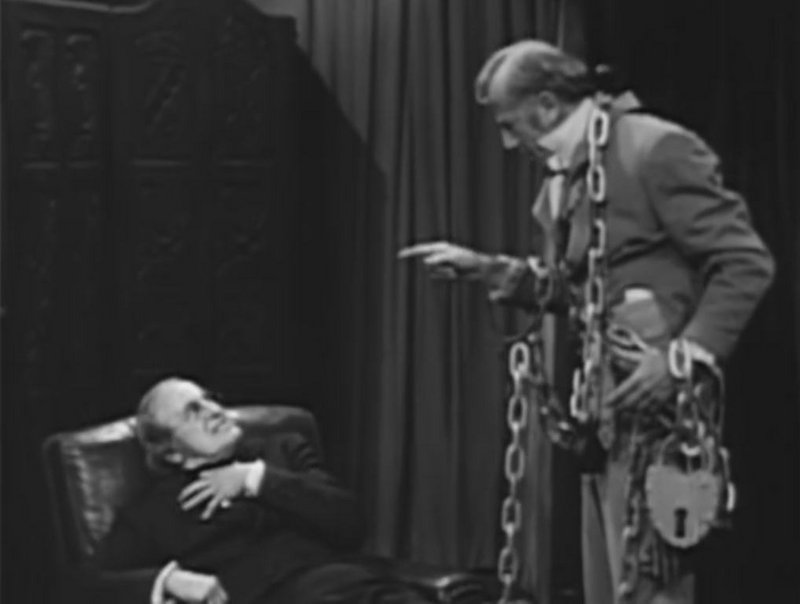
TAYLOR HOLMES & NELSON LIEGH
FREDRICK MARCH (1954);
Directed by Ralph Levy
Cast;
Fredrick March ~ Ebaneezer Scrooge
Basil Rathbone ~ Jacob Marley
Bob Sweeney ~ Bob Cratchit
Fred Middleton ~ Nephew Fred Holliwell and the Ghost of Christmas Present
Sally Fraser ~ Belle and the Ghost of Christmas Past
Queenie Leonard ~ Mrs Cratchit
Bonnie Franklin ~ Susan Cratchit
Part of an anthology series called "Shower Of Stars" which featured treatments of stories from a variety of sources ranging from contemporary melodramas to ghost stories and works of classical literature usually featuring a couple of stars from the big screen. It was originally broadcast in both black & white and colour versions but only the B&W version has survived. Unlike other TV treatments of the era it took a full hour and had a more suitable budget for sets allowing for a more cinematic look. This is partially a musical with several musical numbers mostly in the first half, these tend to the maudlin and overwrought and slow the proceedings down and affect the erratic pacing. At times there are scenes with more dialogue than other adaptations while others race along too abruptly particularly towards the end as if the filmmakers suddenly remembered they needed to wrap things up. There is not even a Ghost of Christmas Future instead having Scrooge visit a graveyard accompanied only by a cackling raven as he finds his own grave. The graveyard does have a spooky b-movie look and the other sets look authentic enough although without either the lushness of the Reginald Owen Hollywood production or the seedy grandeur of the Sim or Hicks versions. Fredrick March was by this point an established Hollywood star since the beginning of the sound era including appearing in "Dr Jekyll & Mr Hyde" (1931), "Death Takes A Holiday" (1934), "Les Miserables" (1935), "Anna Kerenina" (1935) and "A Star Is Born" (1937) and was certainly capable of playing a cantankerous old bastard and he effortlessly does so here although he doesn't have the larger-than-life quality of Alistar Sim. Perhaps to make the rather square jawed March look more like the classic image of Scrooge he is given a distractingly large fake nose.
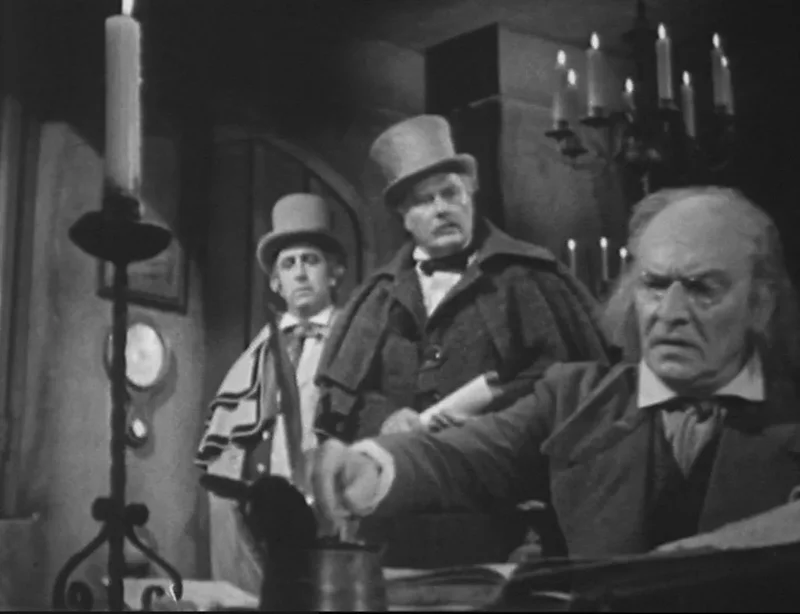
FREDRICK MARCH
Marley is played by Basil Rathbone, then even more famous from the iconic Sherlock Holmes series whose ghost is even more desparing than usual and also gets more dialogue. Given that this is at least partially a musical much of the rest of the cast were chosen for being singers rather than actors and are merely competent. This is true of the other Ghosts of Christmas Past and Present who also appear as Scrooge's past fiancee Belle and nephew Fred. Having some characters doing double duty as ghosts was unusual if not unique but has occasionally been done since notably in the 1979 American/Canadian TV adaptation by Henry Winkler, a 2004 TV musical starring Kelsey Grammer and a "WKRP" special episode with mixed results.

BASIL RATHBONE AS MARLEY
Another difference from most other but versions (with the notable exception of the Reginald Owen Hollywood version) the Ghost of Christmas past is played by a beautiful woman, here the tall blonde Sally Fraser, a TV actress better known from various B-Horror movies like "It Conquered The World" (1956), "Giant From The Unknown" (1958), "War Of The Colossal Beast" (1958) and "Earth Versus The Spider" (1958) and the TV anthology series "One Step Beyond". She retired by 1970 and lived until 2019. Mrs Cratchit was played again by Queenie Leonard returning from playing the same role in the 1949 Taylor Holmes version. Once again one of the Crachit daughters was played by a future star in Bonnie Franklin who would later star in the popular 1980's sitcom "One Day At A Time".
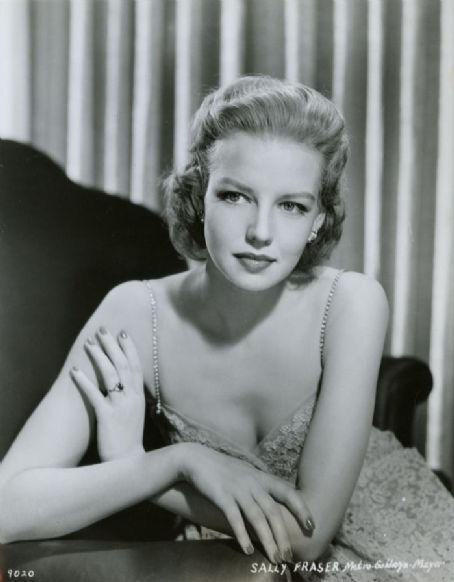
SALLY FRASER
BASIL RATHBONE (1956 & 1959);
Already an established star for his iconic portrayal of Sherlock Holmes in a series of films in the forties would play Scrooge twice becoming the second actor to play both Holmes and Scrooge after Reginald Owen. This first being a musical version.
"THE STINGIEST MAN IN TOWN" (1956);
Cast;
Basil Rathbone ~ Ebaneezer Scrooge
Martyn Green ~ Bob Cratchit
Robert Weede ~ Jacob Marley
Johnny Desmond ~ Nephew Fred
Ian Martin ~ Ghost of Christmas Past
Vic Damone ~ Young Scrooge
Patrice Munsel ~ Belle
Robert Wright ~ Ghost of Christmas Present
The Four Lads ~ Carolers
This is a musical version which is twice as long as previous TV versions, longer in fact than the film versions and a fairly major production by the standards of 1950's TV. Most of the cast are not surprisingly singers rather than actors with Vic Damone, Johnny Desmond and the Four Lads being Pop stars (but most definitely not Rock & Roll or Jazz) of the era. And then there's Basil Rathbone. Best known as the iconic version of Sherlock Holmes in the previous decade on both film and radio although by this time his career was in decline having been somewhat typecast as Holmes on the big screen he had retreated to TV and B-horror movies. He was still a respected figure and had previously played Marley so his casting made sense and he does indeed provide whatever heft this version has. It needs it too. The sings can be generously described as slight and forgettable ranging from sappy to histrionic styles that were already old hat and they often drag out the pace. Most of the performances are merely adequate aside from Rathbone who is too skilled an actor to simply phone it in. With his cadaverous face, fright wig hair and harsh, creaking voice he is the image of Dickens' Scrooge and he does a credible job although he can not match the depth of Alistair Sim. On the other hand while a skilled actor he clearly can not sing so it's fortunate that he is given few chances to do so.
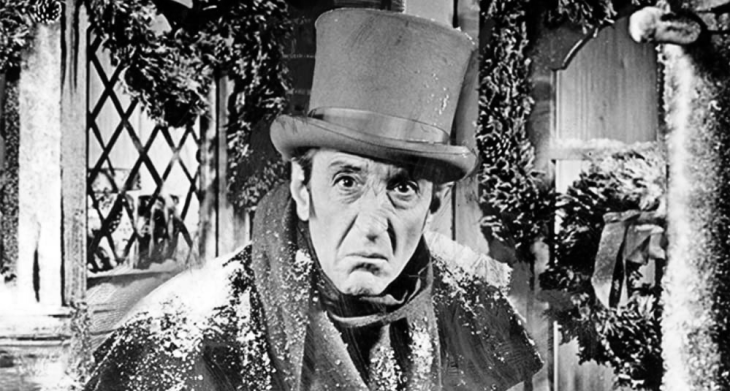
BASIL RATHBONE AS SCROOGE
Given the restrictions of TV productions of the era this does a reasonably good job of working with the stagebound sets which are more detailed than previous TV versions. As for the story, although this version is twice the length of previous TV versions since most of that time is spent on extended musical numbers this does not mean that we really spend much greater time on the character's development. This can be seen in the scenes from Scrooge's past which are done as syrupy and over-wrought song and dance routines which lack the bitter-sweet mood the scene requires for Scrooge's future redemption to have real impact. The final scene at the graveyard with the Ghost Of Christmas Future discards the treacle ballads for an interpretive dance number which is rather spooky leading to Rathbone's emotional breakdown. Among the rest of the cast besides the singers sharp-eyed viewers will notice one of the Gentlemen from the beginning seeking a donation for charity is John McIver who would later show up in "Twilight Zone".
After the musical version Rathbone would finally get to play Scrooge again in a non-musical version, albeit another brief one.
"A CHRISTMAS CAROL" (1959);
Cast;
Fredrick March ~ Host & Narrator
Basil Rathbone ~ Ebaneezer Scrooge
Wilfred Fletcher ~ Jacob Marley
Bob Townley ~ Bob Cratchit
Walter Hudd ~ Ghost Of Christmas Past
Alexander Gauge ~ Ghost Of Christmas Present
Brian McDermont ~ Nephew Fred
This was part of an anthology series hosted by Fredrick March who played Scrooge in the 1954 version and narrates here as Vincent Price had done previously. Once again this is another version that is too short and perfunctory to do more than a basic if credible job of telling the story, in fact it appears to basically be a restaging of the Taylor Holmes version from a decade earlier along with some scenes being lifted word-for-word from non-musical Rathbone version albeit with better sets and direction and a stronger cast. The Ghost of Christmas Future scene does show some more artistic directorial choices but given the abbreviated nature of this version it is too short to make much of an impression. Rathbone, whon had played Marley opposite March in 1954 is fine and could have easily done an effective Scrooge in a proper version as it is; he still ranks near the top in our survey of black and white Scrooges behind only Alistar Sim. Rathbone died in 1967 having been reduced to mostly playing in low budget drive-in theatre horror fare like "Tales Of Terror" (1962), "Voyage To A Prehistoric Planet" (1965), "The Ghost In The Invisible Bikini" (1966) and "Hillbillies In A Haunted House" (1967). Fredrich March had better luck, appearing in prestige films like "Inherit The Wind" (1960) and "Twelve Days In May" (1964) dying in 1975.
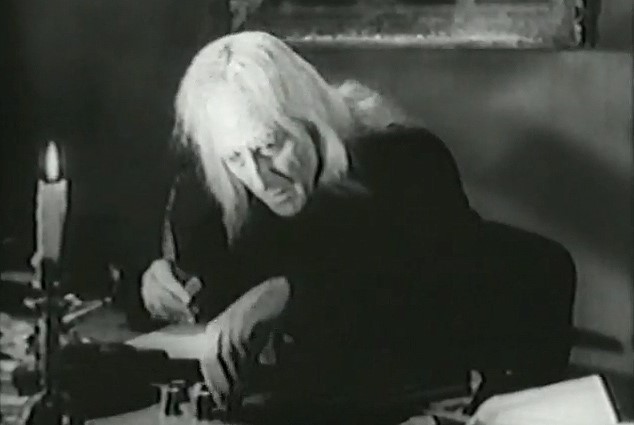
BASIL RATHBONE
STERLING HAYDEN (1969);
The last major black & white Scrooge production would come from some high powered names including Joseph Mankiewicz and Rod Serling and star an impressive cast.
"A MODERN CHRISTMAS CAROL" (1965);
Directed by Joseph Mankiewicz Cast;
Sterling Hayden ~ Daniel Grudge
Ben Gazzara ~ Nephew Fred
Steve Lawrence ~ Ghost Of Christmas Past
Pat Hingle ~ Ghost Of Christmas Present
Robert Shaw ~ Ghost Of Christmas Future
Peter Sellers ~ The Imperial Me
Percy Rodriquez ~ Charles the Butler
Eva Marie Saint ~ Navy Nurse Lt Gibson
James Shigeta ~ Doctor
Britt Ekland ~ Mother
Peter Fonda ~ Marley Grudge
Written by Rod Serling this version updates the Dickens story into a modern America to present a different political story focusing on anti-war. Serling was of course an innovative and thoughtful writer however he could be overly wordy and at times preachy. In the context of the half hour "Twilight Zone" episodes these urges were usually kept in check but given ninety minutes to play with (that's actually longer than any previous version) and under the direction of the the equally intense Mankiewicz he is allowed to let his typewriter work overtime and the results are more like a dour and angry sermon than even Dickens himself allowed.
In this version Scrooge, renamed as Dan Grudge and played by Sterling Hayden, is a millionaire who is grieving the loss of his son in war and has turned his back on humanity becoming a belligerent Cold War isolationism motivated more by fear and bitterness rather than Scrooge's greed. The various Ghosts show Scrooge, I mean Grudge, the results of war and isolationism and lecture him on his selfishness. And I do mean lecture. Each visit is an extended hectoring monologue which drag on without any of the quirky touches Serling was known for. There are a few scenes creatively shot but the whole show is dour and slow moving. There is an impressive cast including Ben Gazzara as Grudge's nephew, Robert Shaw as the Ghost of Christmas Future, Pat Hingle (best known from Clint Eastwood movies) at the Ghost of Christmas Present, Steve Lawrence (best known as a singer) as the Ghost of Christmas Past along with Eva Marie Saint ("The Manchurian Candidate"), James Shigeta ("The Flower Drum Song" and a later Christmas classic, "Die Hard") Peter Sellers and a cameo from Sellers then wife Britt Eckland. Unlike most versions this is very talky and so Shaw's Ghost gets to make his own speeches with which his cold, clipped, accent gives added bite.
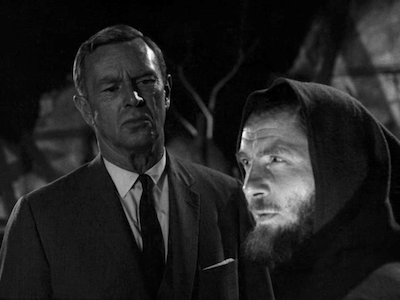
STERLING HAYDEN AS GRUDGE & ROBERT SHAW AS THE GHOST OF XMAS FUTURE
Hayden is fine as Grudge although lacking the depth of Sim's Scrooge or even Owen. Hayden and Sellers were fresh off appearing together in "Dr Stangeglove" and while Hayden is more understated than his character in that film Sellers is typically over-the-top in a scenery chewing which has no comparable character in the traditional story, or any other. While this version is longer than previous versions and far more dialogue heavy it is shallower as we don't actually see any of Grudge's past or evolution and the characters lack depth being instead stock archetypes who declaim somber lectures so there is no real connection with the viewer. Even the ending is thoughtful and understated rather than joyous so Hayden does not get a version of Sim's giddy Christmas Day speech. Long as this is it was originally even longer as Grudge's son was played by Peter Fonda but he was cut out of most of the finished product and so only appears as a ghostly image and in a large painting. Other actors reportedly cast but dropped or cut out were Christopher Plummer and Richard Harris. Sterling Hayden had already starred in Stanley Kubrick's first important film "The Killing" (1956) and would later appear in "The Godfather". He died in 1986. Eva Marie Saint had made her debut in the lost 1947 TV version with John Carradine and as of this writing is still living (at 99 years old!) as is Britt Eckland.
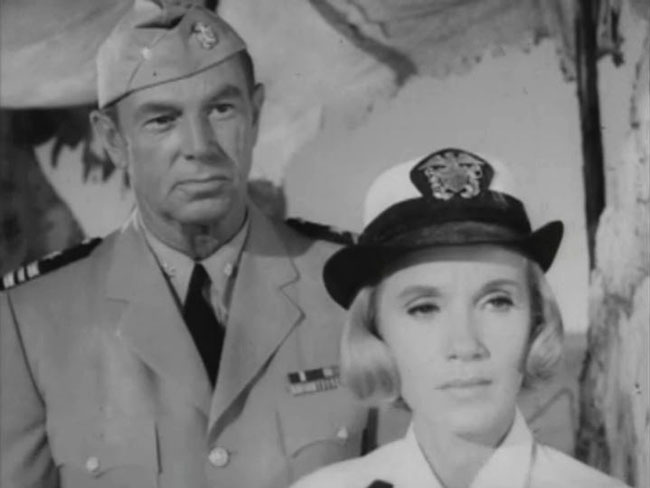
STERLING HAYDEN & EVA MARIE SAINT
This is typically stagebound but unlike the earlier TV entries there is some creative camera work and innovative set design. There is also a solid musical soundtrack from Henry Manicini including a guest appearance from the Andrews Sisters. In future years there would be other attempts to update the Scrooge story including versions starring Henry Winkler, Bill Murray and the cast of WKRP all of which, whatever their shortcomings, are more watchable and certainly more entertaining than this dour, hectoring sermon which however sincere and well meaning does not show Rod Serling at his best and lacks the sense of humour he was certainly capable of instead replacing Dickens' more maudlin excesses with his own. This version was in fact originally planned as a political broadside during the 1964 Presidential election promoting the work of the United Nations and taking pointed swipes at the Vietnam War, segregation and GOP candidate Barry Goldwater for his isolationism and sabre rattling rhetoric in the however reportedly the ABC censors insisted on making cuts and toning down some of the dialogue for fear of offending the GOP. The entire cast felt strongly enough about the project that they each took substantial pay cuts to appear (including the prickly Sellers who was also coming off a serious heart attack) however the show received poor reviews and after airing was shelved for the next fifty years when it was rediscovered and aired again on TCM and released on DVD.
ROD SERLING
THE FOUR LADS